
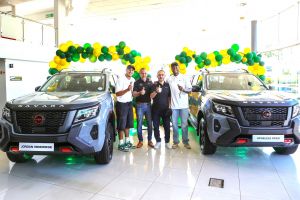
Springboks score tries in Nissan Navara Pro4X
Two leading Springbok rugby players, Aphelele Fassi and Jordan Hendrikse, have taken delivery of their new Nissan Navara Pro4X bakkies in Durban.
- Industry News
- 12 May 2026
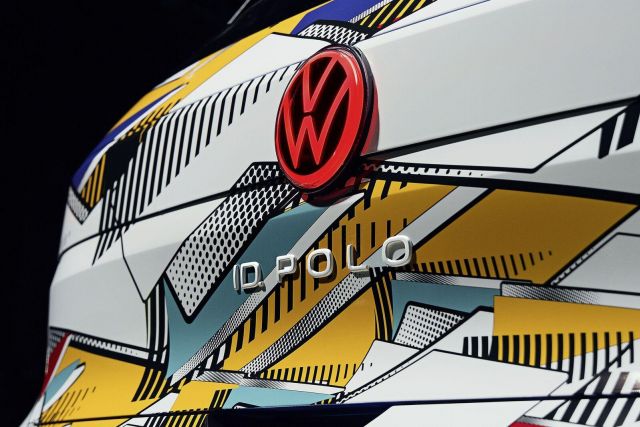
Volkswagen is abandoning its separate electric vehicle naming convention, opting instead to align its battery-electric models with established combustion engine nameplates. The German automaker announced that the strategy shift would begin with the ID Polo, set to debut in 2026.
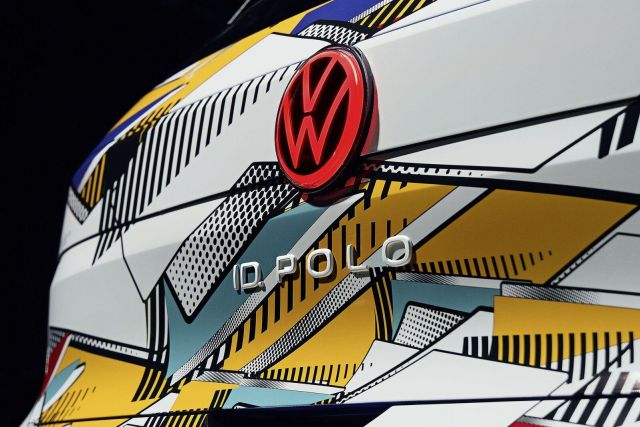
The move represents a significant departure from VW's previous approach, which launched in 2018 with the ID.3 compact hatchback. The "ID" designation was originally conceived as a distinct identifier for the brand's electric portfolio, symbolising advanced technology and zero-emission mobility.
Thomas Schäfer, Volkswagen brand CEO, emphasised the strategic reasoning behind the change in a 3 September statement: "Our model names are firmly anchored in people's minds. The ID Polo is just the beginning."
The transition will see VW's electric vehicles adopt the names of their closest internal combustion engine counterparts based on size and market positioning. The Polo nameplate, which has been in continuous production since 1975, will now span both powertrains as VW maintains parallel ICE and BEV offerings during the transition period.
Currently, VW's ID range encompasses vehicles from the compact ID.3 through the executive-class ID.7, roughly equivalent to the Passat in traditional VW hierarchy. The automaker indicated that future model generations would systematically adopt this unified nomenclature approach.
VW cited customer clarity as the primary driver for the naming consolidation, stating the decision would "help customers navigate the brand's product range more easily in the future".
Two leading Springbok rugby players, Aphelele Fassi and Jordan Hendrikse, have taken delivery of their new Nissan Navara Pro4X bakkies in Durban.
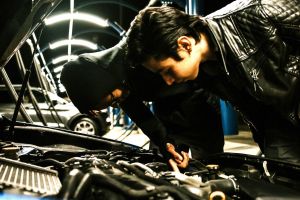
Dealership service departments know the pattern: the moment warranties and service plans expire; a portion of owners quietly migrate to the independent aftermarket.

Mercedes-Benz Vans South Africa announced its top-performing Agents and Dealers for 2025, recognising their exceptional dedication, customer service and commitment to the brand.
 Advertisement
 Advertisement
I have bad reflexes. I was once run over by a car being pushed by two guys
Woody Allen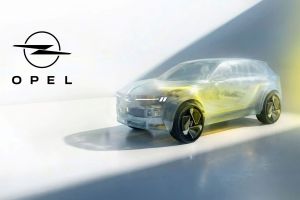
Opel has unveiled a key project under development in its model strategy: a completely new, all-electric SUV in the important and highly competitive C-segment that would extend the current line-up.
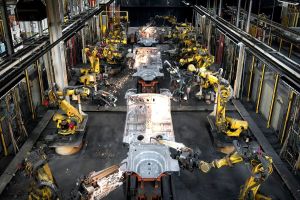
Nissan’s decision to drop a planned $500 million investment in electric vehicle (EV) production at its Canton, Mississippi plant is the latest indication that established manufacturers are reassessing how quickly the market will shift to battery power.
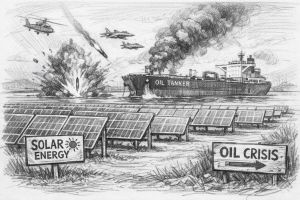
Zero Carbon Charge (CHARGE) welcomes the government’s extension of short term fuel levy relief measures aimed at cushioning consumers from rising fuel prices, but cautions that these interventions do not address the underlying structural challenge facing South Africa’s transport economy.