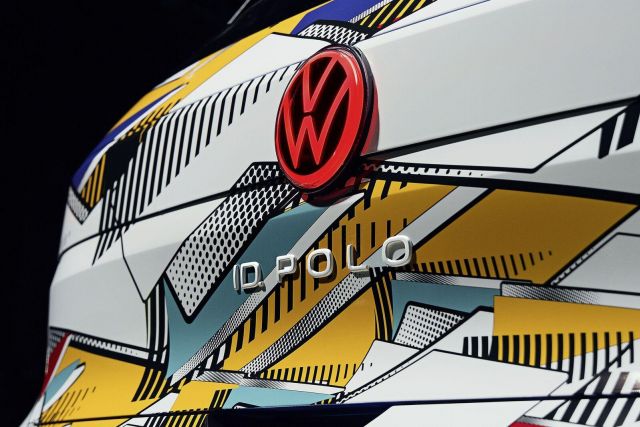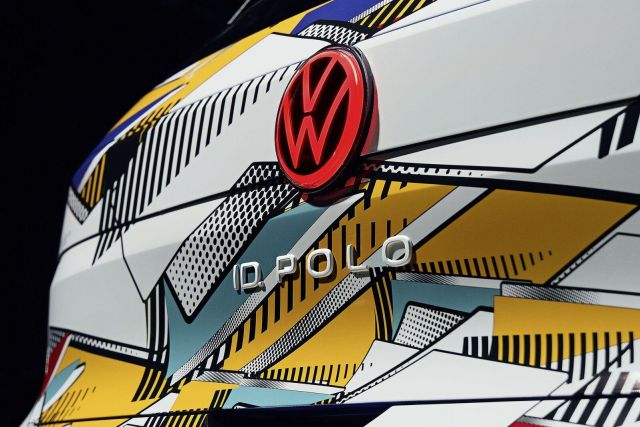
The move represents a significant departure from VW's previous approach, which launched in 2018 with the ID.3 compact hatchback. The "ID" designation was originally conceived as a distinct identifier for the brand's electric portfolio, symbolising advanced technology and zero-emission mobility.
Thomas Schäfer, Volkswagen brand CEO, emphasised the strategic reasoning behind the change in a 3 September statement: "Our model names are firmly anchored in people's minds. The ID Polo is just the beginning."
The transition will see VW's electric vehicles adopt the names of their closest internal combustion engine counterparts based on size and market positioning. The Polo nameplate, which has been in continuous production since 1975, will now span both powertrains as VW maintains parallel ICE and BEV offerings during the transition period.
Currently, VW's ID range encompasses vehicles from the compact ID.3 through the executive-class ID.7, roughly equivalent to the Passat in traditional VW hierarchy. The automaker indicated that future model generations would systematically adopt this unified nomenclature approach.
VW cited customer clarity as the primary driver for the naming consolidation, stating the decision would "help customers navigate the brand's product range more easily in the future".