

Hatfield Motor Group takes top honours at Audi Dealer Awards
Audi South Africa honoured the outstanding achievements of its national dealer network at the annual Audi Vorsprung Awards.
- Dealer News
- 28 April 2026
The auto battery parts joint venture between Volkswagen's PowerCo and Belgian materials firm Umicore has chosen Poland as the site for its first factory, the German automaker announced on 7 October, according to Reuters.
Through the R56 billion joint venture, dubbed Ionway, first flagged in December 2021, the companies are joining a number of European automakers that have brought battery supplies closer to home in the shift towards electric vehicles.
The Polish government is providing R99 billion in cash grants for the investment in the southwestern town of Nysa that will create around 900 jobs, it said.
Ionway wants to build up its annual production capacity by the end of the decade to around 160 gigawatt hours (GWh) a year – enough for 2.2 million electric vehicles.
PowerCo – whose Poland initiative comes after VW set out plans in April to invest up to R99 billion to build a car battery plant in Ontario, Canada – said it had decided on Poland because the location was strategically favourable, plus there was sufficient skilled labour and renewable energy sources for production.
Construction work will begin as soon as the permitting process is completed, it said.
Ionway is intended to supply PowerCo's European battery cell factories with key battery materials and to cover a large portion of PowerCo's needs in the European Union. In return, Umicore will receive secured access to an important part of Europe's demand for cathode materials for electric vehicles.
Audi South Africa honoured the outstanding achievements of its national dealer network at the annual Audi Vorsprung Awards.
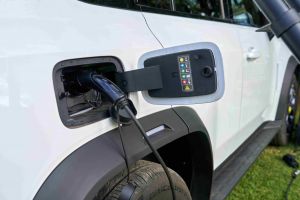
South Africa is experiencing its fastest shift yet towards electric mobility, driven not by environmental policy but by sheer economics.
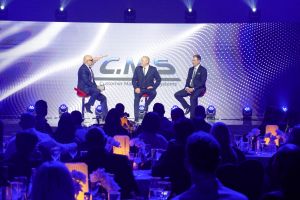
CMS Systems is celebrating 25 years in business, marking a significant milestone for a company that has become a central player in automotive retail technology.
 Advertisement
Advertisement
Advertisement
Have you ever noticed that anybody driving slower than you is an idiot, and anyone going faster than you is a maniac?
George Carlin
South Africa is experiencing its fastest shift yet towards electric mobility, driven not by environmental policy but by sheer economics.

Supporting the Pope on Africa soil in or on vehicles assembled on the continent, is the story of OPAIA Motors.
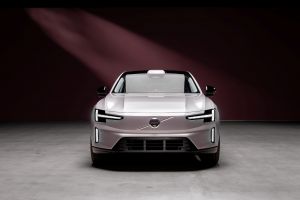
Europe’s shift to electric vehicles (EVs) gathered fresh momentum at the start of 2026, as soaring petrol prices prompted drivers to rethink the cost and security of running petrol and diesel vehicles.