Recognising the effect of fossil fuels on global climate change, VWGA is striving to minimise its dependence on these energy sources. As the nation celebrates Energy Month in May, VWGA highlights its commitment to become carbon neutral in vehicle and component production by 2030 through its Zero Impact Factory initiatives.
To this end, significant investments totalling up to R100 million have been made in recent years to transition to renewable energy. By the end of this year, a total of 5.6 MWp of solar energy will be powering Volkswagen’s manufacturing plant in Kariega.
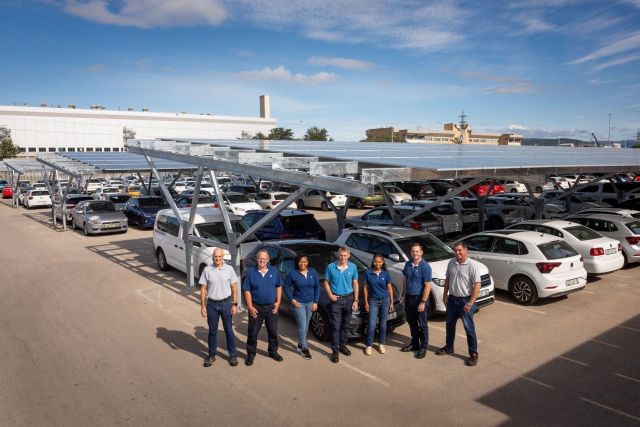
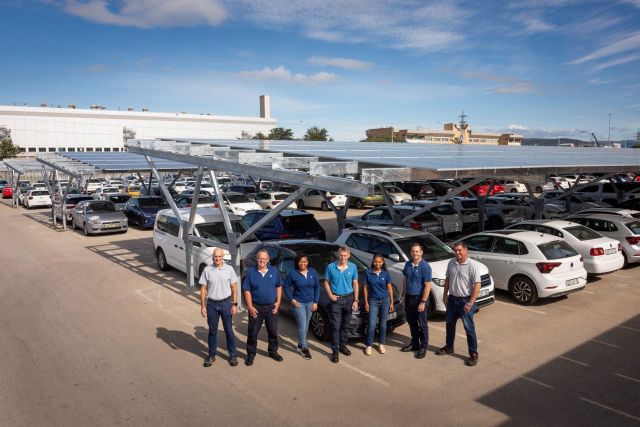
The installation of 3 MWp Solar Photovoltaic (PV) panels in the employee car park at the Kariega plant has been commissioned and is expected to be operational by September 2024. The latest installation complements the existing 2.6 MWp of rooftop PV panels in the vehicle assembly plant and the 163 kWp at the component manufacturing plant.
South Africa’s largest exporter of passenger cars is following a global trend. According to the World Economic Forum, the world added 50% more renewable capacity last year compared to 2022. The world’s capacity to generate renewable electricity is expanding faster than at any time in the last three decades, giving it a real chance of achieving the goal of tripling global capacity by 2030, the International Energy Agency reported.
Ulrich Schwabe, VWGA Production Director, emphasised the importance of transitioning to renewable energy. “Our plan to become a Zero Impact Factory by 2030 aligns with our global Group Strategy Way to Zero. We all witness the effects of climate change and its impact on biodiversity. Our commitment to carbon neutrality reflects the urgency for immediate action,” says Ulrich.
According to the Nelson Mandela Bay Business Chamber, manufacturing in Nelson Mandela Bay, where VWGA is headquartered, accounts for at least 55% of electricity consumption. This highlights the significance of renewable energy sources as a sustainable alternative to fossil fuels.