
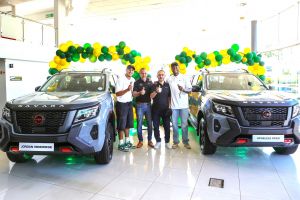
Springboks score tries in Nissan Navara Pro4X
Two leading Springbok rugby players, Aphelele Fassi and Jordan Hendrikse, have taken delivery of their new Nissan Navara Pro4X bakkies in Durban.
- Industry News
- 12 May 2026
Reuters has reported that Volkswagen plans to build its new generation of Trinity electric vehicles (EVs) at its factory in Zwickau, Germany, scrapping plans for an all-new factory that were pushed under the group’s former CEO.
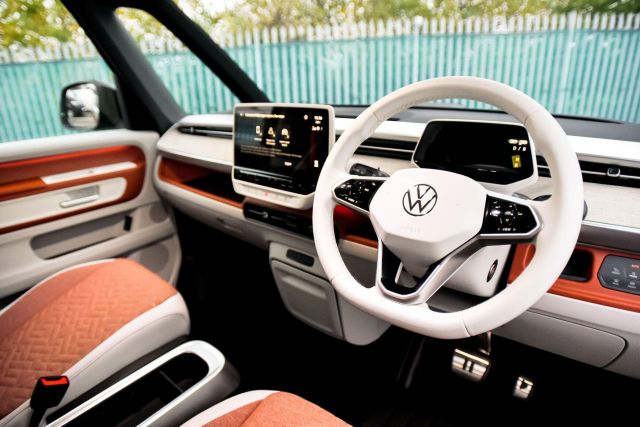
The Trinity electric car, which is to be based on Volkswagen’s new scalable systems platform (SSP), was supposed to be launched in 2026 as part of plans by former CEO Herbert Diess.
However, shortly after taking office, his successor Oliver Blume pushed the project back by two years in order to relieve pressure on the struggling software subsidiary, Cariad.
Volkswagen had initially planned to build a new factory for the model but owing to delays in developing the brand, the German carmaker was also considering converting its Wolfsburg factory.
"It was decided that there was no need to build an additional plant in Wolfsburg Warmenau," the German carmaker said after a supervisory board meeting during which the location for the prestige EV was discussed.
The news is part of the production allocation plant for Volkswagen's namesake brand through 2028, the group said.
Instead, the Trinity project will go to Volkswagen's Zwickau plant, which is currently suffering from weak demand and is in the process of cutting its three-shift production schedule, which has been in place for more than three decades.
The carmaker added that its iconic Golf model would be "led into the electric future" at its main Wolfsburg plant, the carmaker's headquarters, which were hit by a major IT outage earlier this week.
"Within the context of our performance programme, this newly approved vehicle allocation plan will make a substantial contribution to a strong, competitive VW brand," Volkswagen brand CEO Thomas Schaefer said.
Two leading Springbok rugby players, Aphelele Fassi and Jordan Hendrikse, have taken delivery of their new Nissan Navara Pro4X bakkies in Durban.
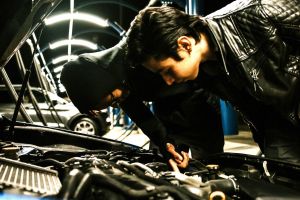
Dealership service departments know the pattern: the moment warranties and service plans expire; a portion of owners quietly migrate to the independent aftermarket.
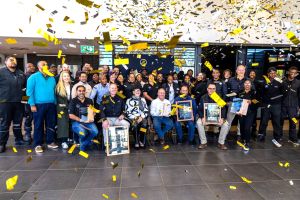
Mercedes-Benz Vans South Africa announced its top-performing Agents and Dealers for 2025, recognising their exceptional dedication, customer service and commitment to the brand.
 Advertisement
 Advertisement
Have you ever noticed that anybody driving slower than you is an idiot, and anyone going faster than you is a maniac?
George Carlin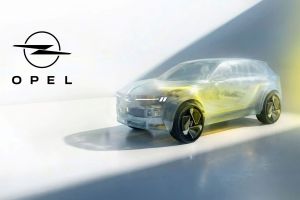
Opel has unveiled a key project under development in its model strategy: a completely new, all-electric SUV in the important and highly competitive C-segment that would extend the current line-up.
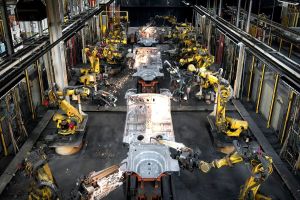
Nissan’s decision to drop a planned $500 million investment in electric vehicle (EV) production at its Canton, Mississippi plant is the latest indication that established manufacturers are reassessing how quickly the market will shift to battery power.
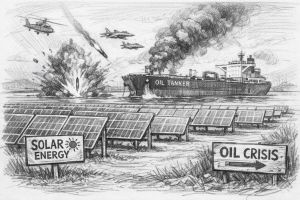
Zero Carbon Charge (CHARGE) welcomes the government’s extension of short term fuel levy relief measures aimed at cushioning consumers from rising fuel prices, but cautions that these interventions do not address the underlying structural challenge facing South Africa’s transport economy.