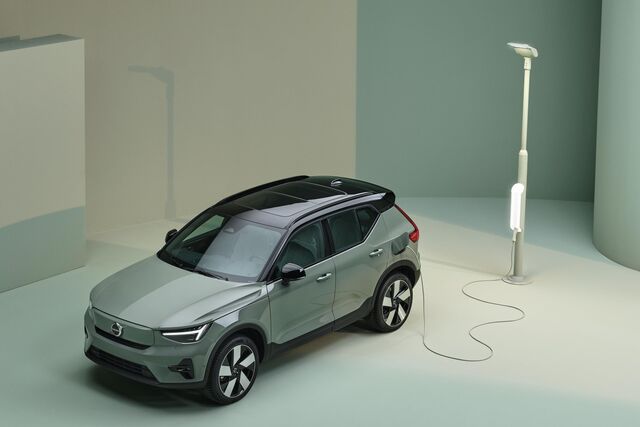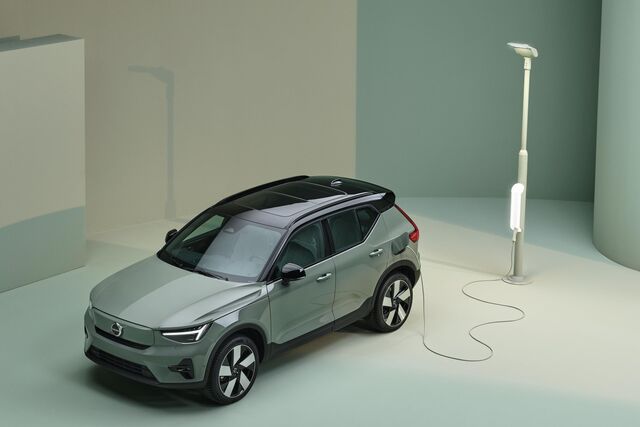
Against this backdrop, the idea of an electric vehicle seemed counterintuitive. Yet Volvo pressed ahead, officially retailing the model from January 2022. Sales reached 49 units in its first year, modest compared with combustion models but notable for a market still testing its appetite for electrification. The decision reflected confidence in South Africa’s long‑term potential rather than short‑term obstacles.
Volvo’s entry formed part of an early wave of manufacturers gauging whether local drivers and infrastructure were ready for electric mobility. The XC40 Recharge was not only a new powertrain but also a showcase of emerging technology. It was among the first cars globally to run natively on Google’s Android Automotive operating system, integrating Google Maps, Assistant and app access directly into the vehicle.
Over‑the‑air software updates allowed the car to evolve beyond its factory specification, while regenerative braking demonstrated how energy could be recaptured to extend range. With a real‑world capability of more than 400km, 80 per cent charging in 40 minutes, and additional cabin space freed by the absence of a combustion engine, the model offered substance behind the optimism.
The pace of development since has been striking. The XC40 Recharge relied on a 400‑volt electrical architecture, then the industry standard. Newer Volvo models, including the ES90 sedan now available in South Africa, employ 800‑volt systems.
At compatible 350kW chargers, these can add 300km of range in just 10 minutes. This advance reduces time spent at charging stations and makes long‑distance travel more straightforward. The line‑up has expanded too, from a single compact SUV to a portfolio including mid‑size and flagship SUVs alongside a fully electric sedan, offering buyers more choice in body style and range.
In South Africa, Volvo has continued to offer mild hybrid and plug‑in hybrid options, providing a gradual pathway toward full electrification. This approach acknowledges the realities of local infrastructure while keeping the brand aligned with its global commitments.
Five years after the XC40 Recharge’s arrival, the market has matured. Charging networks are expanding, electricity costs remain a factor, and reviewers and motorists now weigh electric models seriously. What began as a handful of imports during a power crisis has become part of a segment increasingly integrated into everyday motoring.