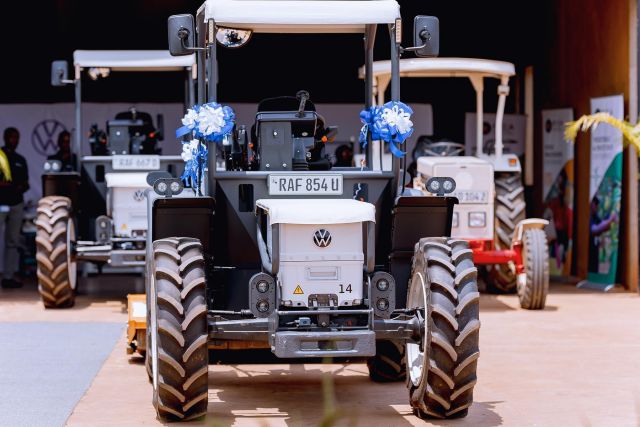
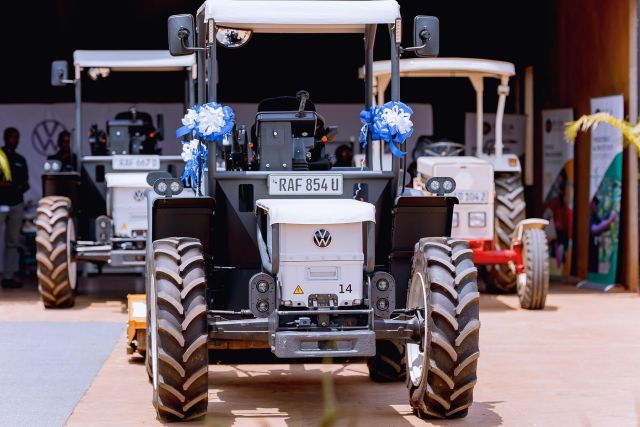
Volkswagen Group Africa has announced the start of operations of its multifunctional facility to pilot modern farming with e-tractors in Africa. The facility is in Gashora, Rwanda, about 60 km from the capital, Kigali.
Share with friends
The GenFarm Project is a holistic ecosystem of e-powered mechanised farming service for rural areas in Africa that is reliable, sustainable and environmentally friendly. It also provides mobility services for transporting goods and people.
In June 2023, Volkswagen Group Africa signed a Memorandum of Understanding (MoU) with the Government of Rwanda to provide land for the establishment of the GenFarm Project.
“We are growing our footprint in Africa and regard Rwanda as a key growth market. This project demonstrates our commitment to sustainable practices and highlights our ability to provide mobility solutions to the rural community in addition to the urban community currently serviced by our Volkswagen Mobility Solutions Rwanda business.
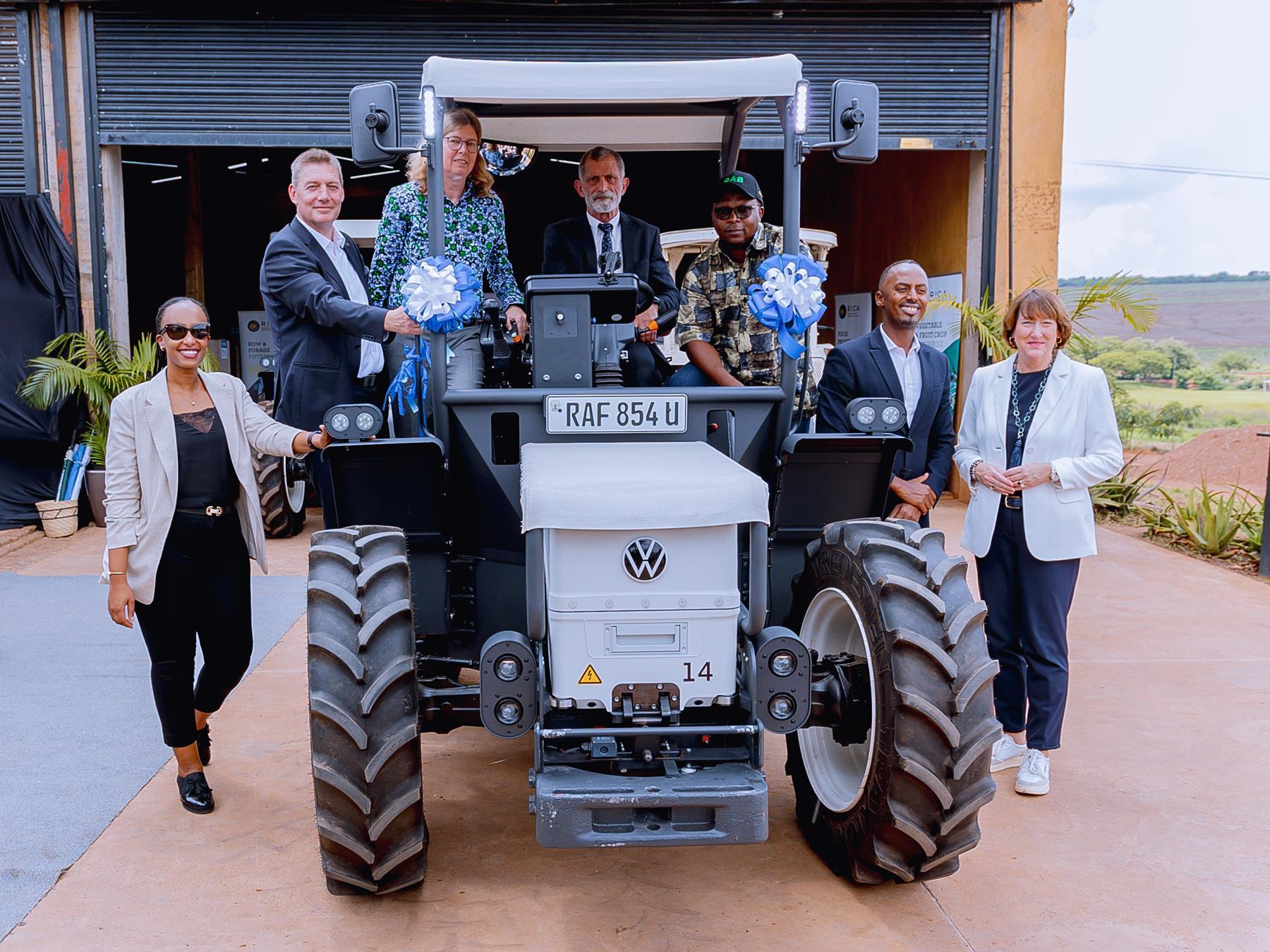
Seen here are Teddy Mugabo (CEO: Greenfund Rwanda), Michael Frambourg (Executive Manager: Sustainability Solutions, Volkswagen Group Innovation Centre Europe), Martina Biene (Chairperson & Managing Director: Volkswagen Group Africa), Dr Ron Rosati (Vice Chancellor: RICA), Dr Telesphore Ndabamenye (Director General: Rwanda Agriculture Board), Serge Kamuhinda (CEO: Volkswagen Mobility Solutions Rwanda) and Hildegard Muller (President: VDA).
The GenFarm Project fosters technological innovation and aligns with Volkswagen Group’s strategy to generate meaningful value for both society and the environment through sustainable mobility,” said Martina Biene, Volkswagen Group Africa Chairperson and Managing Director.
The GenFarm Project is piloted in Rwanda in partnership with Volkswagen Mobility Solutions Rwanda and Volkswagen Group Innovation Centre Europe. The Empowerment Hub (e-Hub), currently a pre-Hub built around specifically equipped standard containers while in the initial phase, will be a key component of the GenFarm.
Preparation for the construction of the actual e-Hub is underway and it is expected to be operational by the first half of 2025. Equipped with photovoltaic power system and the energy storage system, the e-Hub will supply clean energy, storage space and business space to cooperatives. This includes space for their service operations, e-tractor services and e-scooter services. Volkswagen Group Africa facilitates the stakeholder steering committee and reviews post pilot expansion possibilities.
Volkswagen Group Innovation Centre Europe supplies the e-tractors and provides equipment for the project from Wolfsburg in Germany while Volkswagen Mobile Solutions Rwanda is the catalyst in operating the pilot hub and provides input and support to the operations.
Nearly a decade after entering the South African market, JAC Motors South Africa is preparing for its next phase of growth through a substantial investment in new facilities at the Lanseria Smart City development.
A recent Constitutional Court judgment has delivered significant legal certainty for South Africa's motor industry, reinforcing the protection of employee retirement benefits and strengthening the integrity of industry collective agreements.
The South African Electric Mobility Association (SAEMA) has officially launched as the country’s collective body for electric mobility, marking South Africa’s entry into a global movement of nations with dedicated representation.
The South African Electric Mobility Association (SAEMA) has officially launched as the country’s collective body for electric mobility, marking South Africa’s entry into a global movement of nations with dedicated representation.
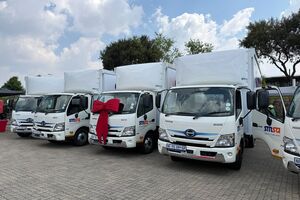
SMSA Africa Logistics Group has added five Hino 300 diesel electric hybrid trucks with van bodies to its fleet, following a two-year trial of three such trucks in its delivery operation.
South Africa's new energy vehicle market is becoming increasingly diverse, with plug in hybrid electric vehicles (PHEVs) and fully electric vehicles gaining ground while traditional hybrids remain the largest category.