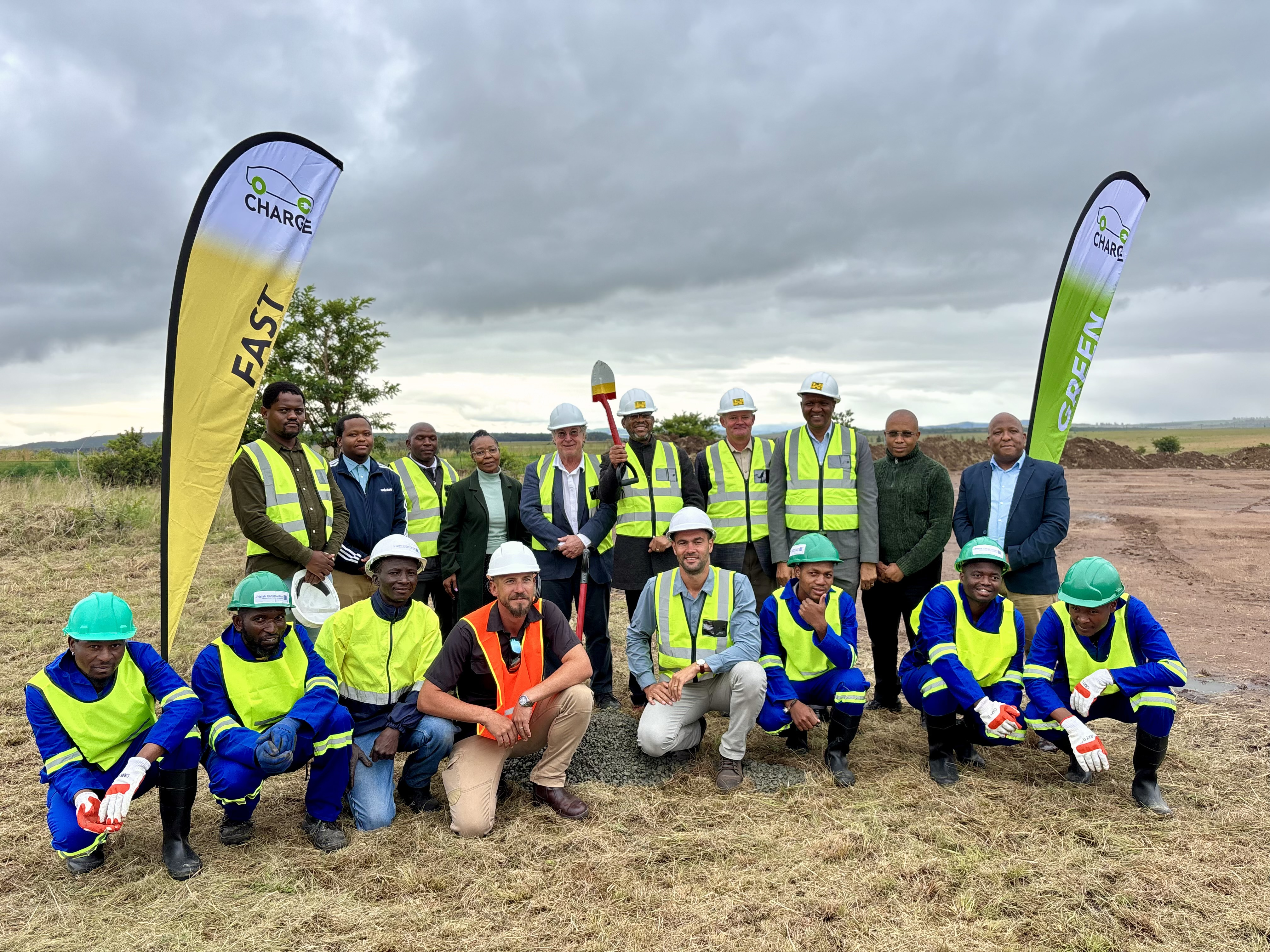
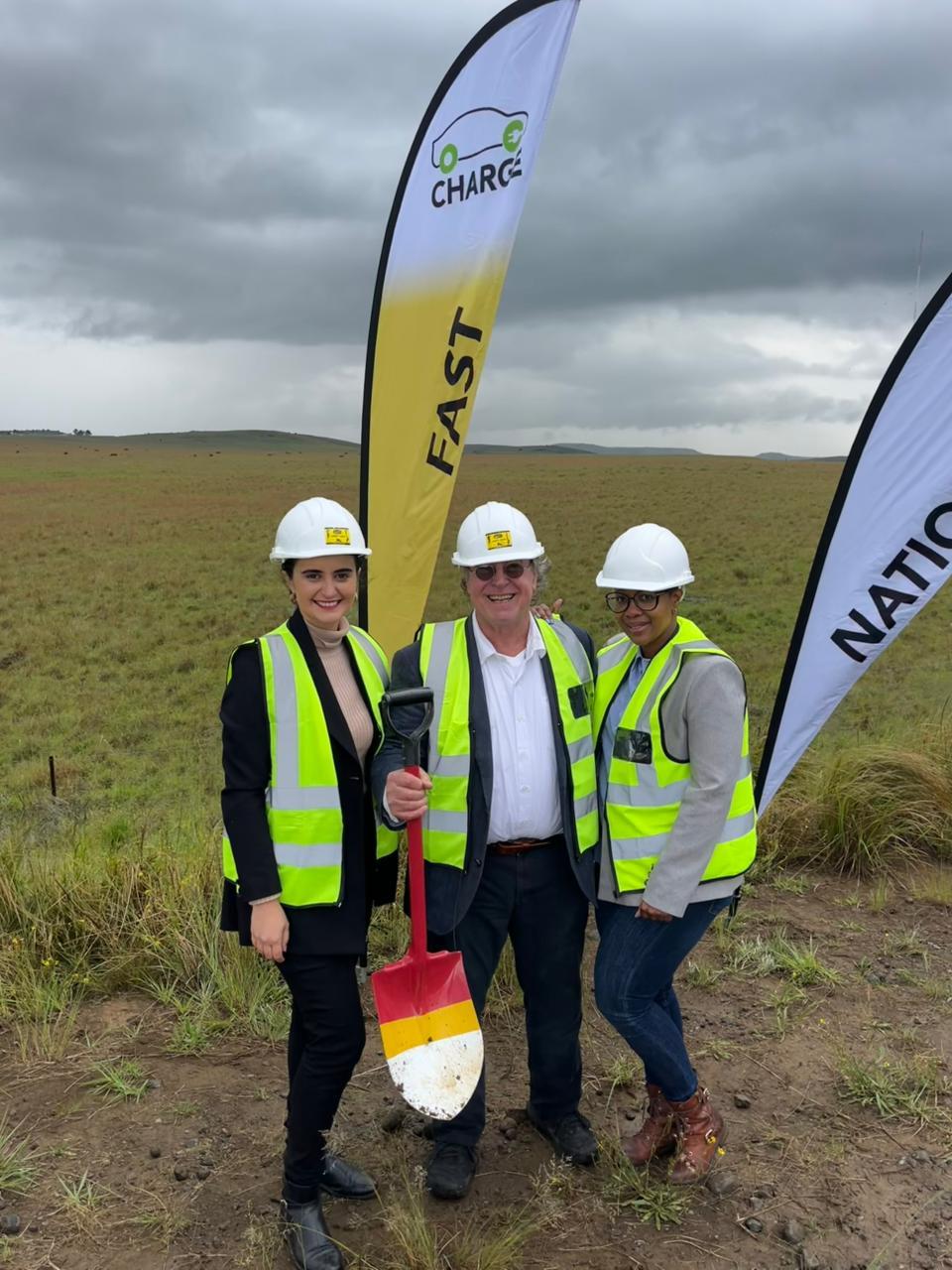
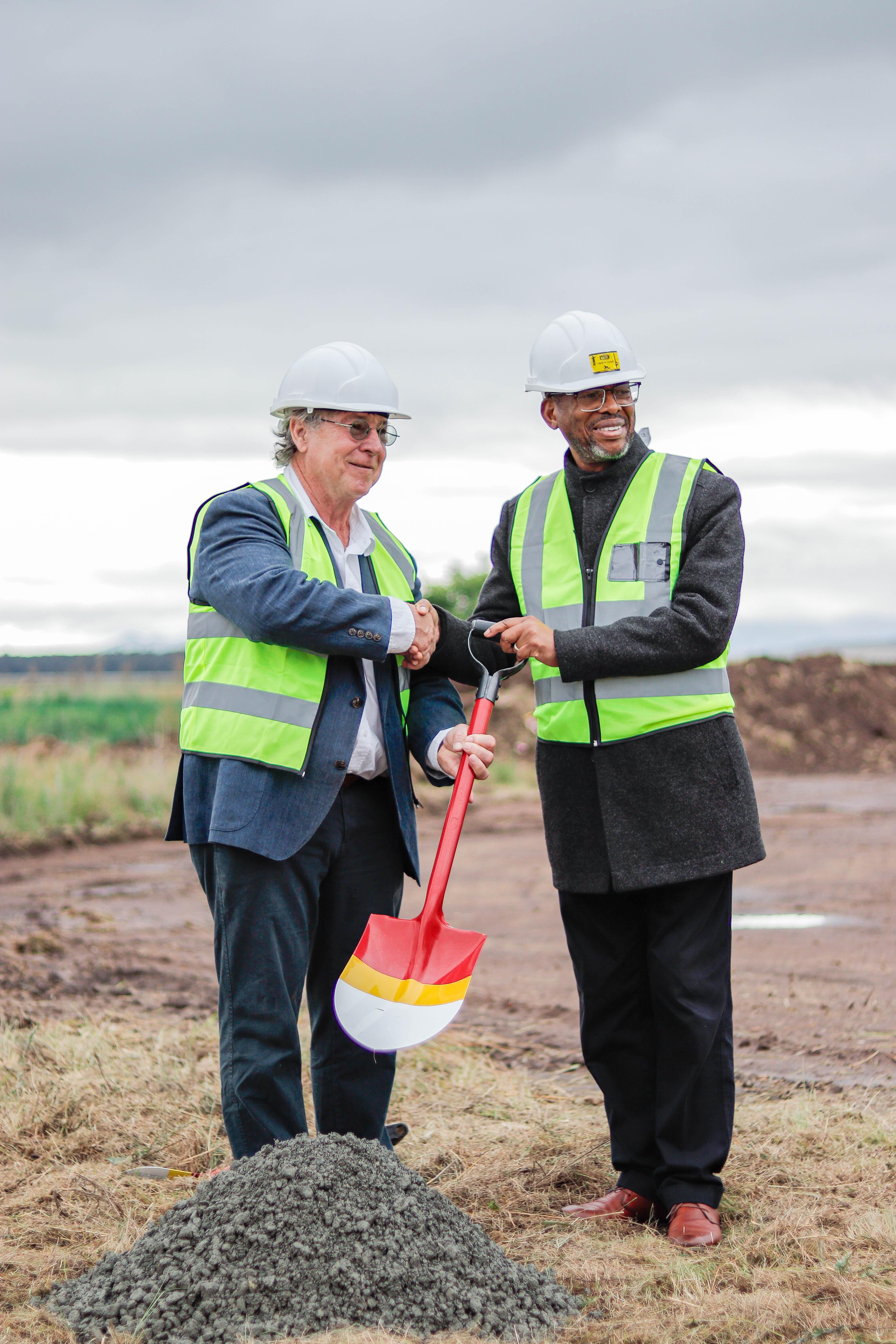
Zero Carbon Charge (CHARGE) reached a major milestone in South Africa’s electric mobility transition with breaking ground for two off-grid, solar-powered ultra-fast EV-charging stations along the N3 corridor.
Share with friends
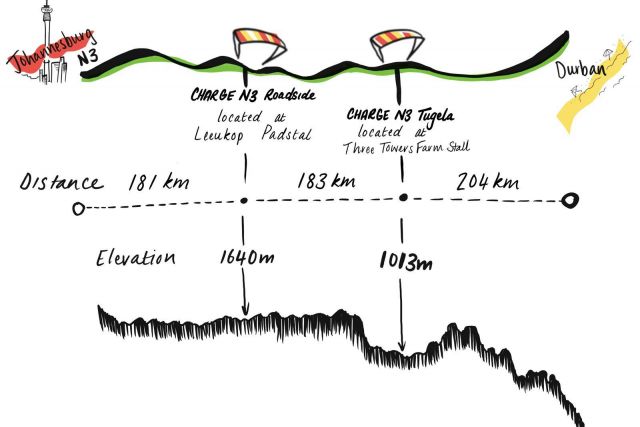
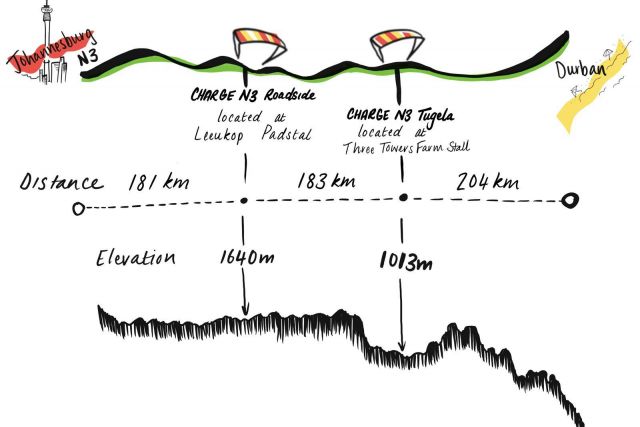
The first, CHARGE N3 Roadside in the Free State, is approximately 180km from Johannesburg, and CHARGE N3 Tugela in KwaZulu-Natal, is just over 180km from the Roadside site and around 200km from Durban.
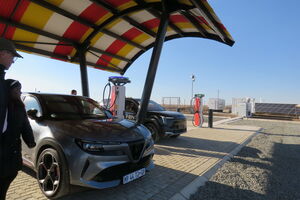
These will be the first fully off-grid, solar-powered ultra-fast EV-charging stations on the N3, ensuring reliable, fast charging on one of the country’s busiest and most important transport routes, the company claims. Both sites form part of CHARGE’s national roll-out of South Africa’s first network of 120 off-grid EV-charging stations.
This milestone was made possible through an equity investment by the Development Bank of Southern Africa (DBSA), enabling construction to begin on CHARGE’s first N3 sites.
CHARGE Executive Chairman and Founder, Joubert Roux, says they are grateful to the DBSA for believing in CHARGE’s vision and providing the investment that has made these N3 sites possible. “We also pay tribute to our team, whose dedication and hard work have brought us to this momentous occasion. These first N3 stations represent the beginning of a national transformation, creating reliable, renewable and accessible charging for all South Africans.”
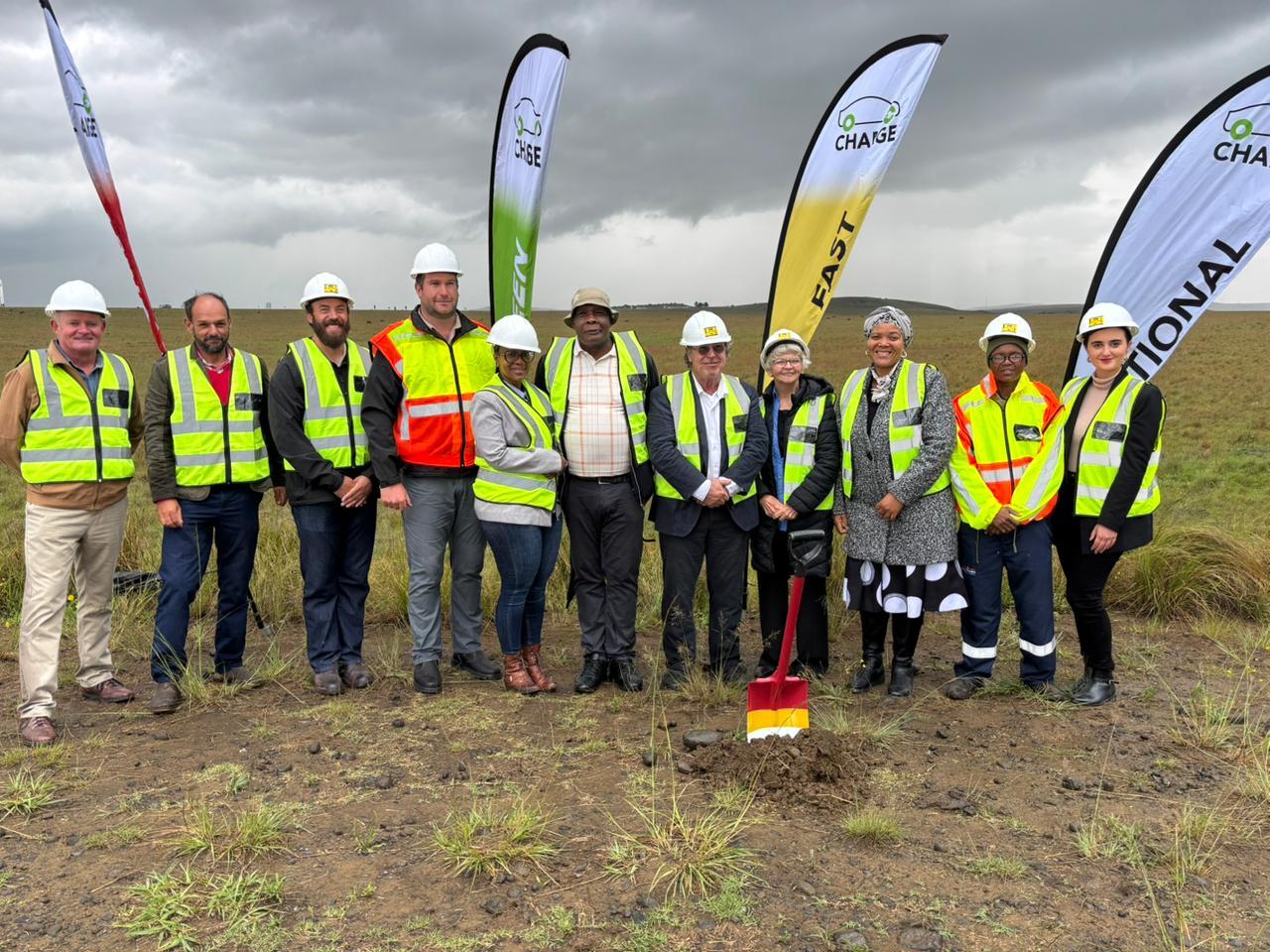
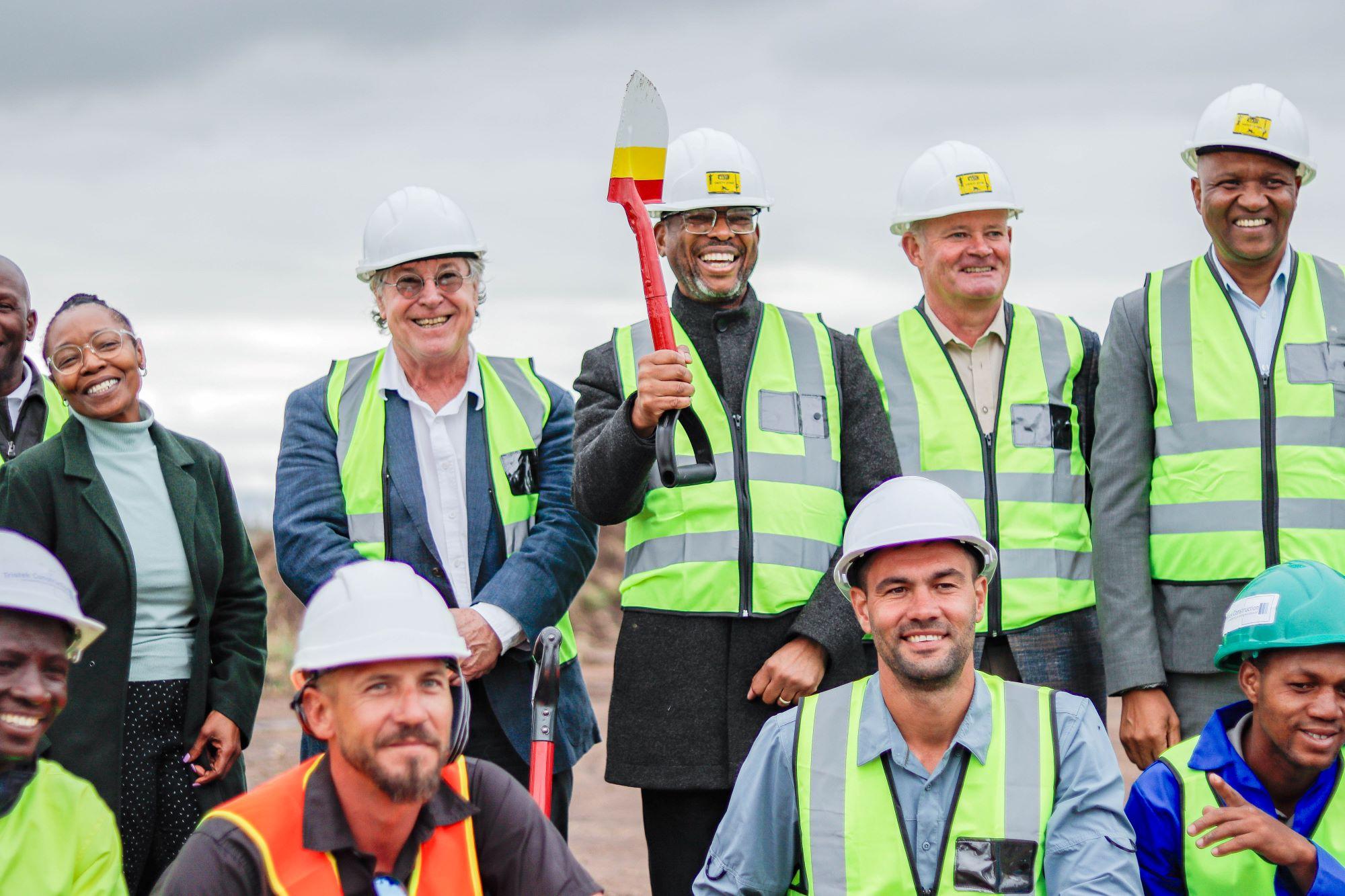
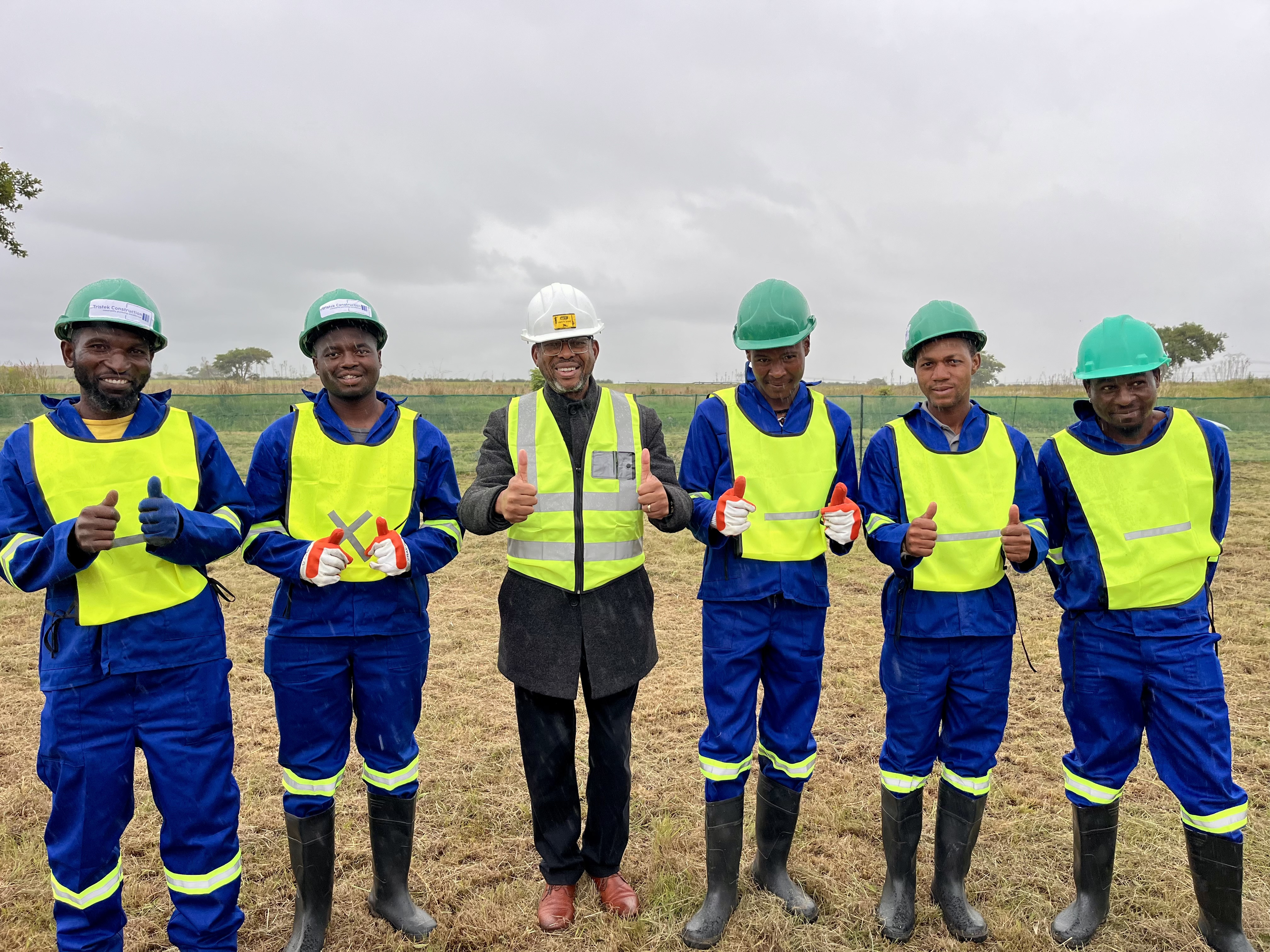
To commemorate the achievement, CHARGE hosted sod-turning ceremonies at both locations, attended by provincial leadership, municipal officials and national partners.
At the N3 Tugela event near Winterton, the ceremony was attended by the MEC for Economic Development, Tourism and Environmental Affairs (DETEA), MEC the Reverend Zondi; the CEO of Trade and Investment KwaZulu-Natal (TIKZN), Mr Sihle Mkondo; and representatives of the Okhahlamba Municipality.
The MEC, the Reverend Zondi, speaking at the CHARGE N3 Tugela sod-turning, highlighted the importance of this development for KwaZulu-Natal’s economic future by saying that the project demonstrates how green energy and green mobility can unlock new economic opportunities for the province. “The N3 is central to trade and tourism in KZN, and the arrival of fully off-grid, ultra-fast charging infrastructure shows our readiness to lead in the future economy. This is exactly the type of investment that creates jobs, builds capacity and strengthens our green industrialisation pathway.”
During the CHARGE N3 Roadside sod-turning in the Free State, CHARGE welcomed the MEC of DESTEA, Ketso Makume, and the Speaker of Phumelele Municipality, Topsy Roseline Zwane, with the support of representatives from the DBSA.
Commenting on the CHARGE N3 Roadside development, of DESTEA, MEC Ketso Makume, welcomed the project’s economic and environmental contribution: “By decarbonising transport along the N3, this project supports our provincial goals for a cleaner, more resilient economy. It brings construction and technical jobs into our communities and strengthens the Free State’s position in the emerging clean-energy value chain.”
Construction on both stations has officially begun and is expected to be completed in 2026. Once operational, the CHARGE N3 Roadside and CHARGE N3 Tugela stations will anchor a Johannesburg-to-Durban renewable-energy charging route, bringing South Africa closer to a cleaner transport future.
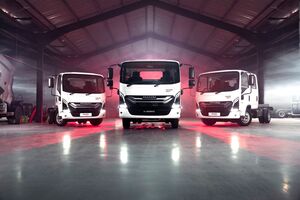
Imperial Motors Zambia, part of Motus Africa, has added UD Trucks to its dealership offering following an official launch in Lusaka on 1 October. The brand will be represented at three operational locations in Lusaka, Kitwe and Solwezi.
Isuzu Motors South Africa has introduced its all-new seventh-generation N-Series truck range, representing the most comprehensive update to the company's light and medium-duty commercial vehicle line-up in years.
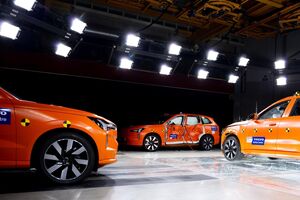
Euro NCAP has changed the way it tests cars. The 2026 protocols, the biggest revision in three years, restructure the assessment around four stages: safe driving, crash avoidance, crash protection and post-crash care.
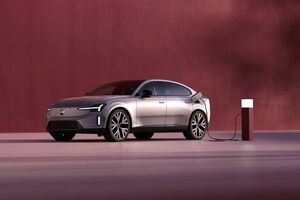
Charging time remains a worry for many South Africans considering an electric vehicle, who still see it as a disruption rather than a quick stop at a filling station. That view is starting to shift.
South Africa has taken important steps to position itself within the global electric vehicle (EV) industry, but industry stakeholders argue that further policy adjustments are needed if the country is to accelerate adoption and support long-term investment in clean transport infrastructure.