Beyond the petrol pump:
Recent internal data from Volvo shows a significant increase in interest in its electric vehicle range over the past month. While fuel costs remain a visible catalyst, the long-term ownership benefits of EVs are increasingly driving more informed decision-making among consumers.
“Fuel price increases may start the conversation, but they are not the full story,” says Grant Locke (photo), Managing Director of Volvo Car South Africa. “When you look at the total cost of ownership, the flexibility, and the advancements in battery technology, electric vehicles begin to make a compelling case on their own.”
One of the most overlooked advantages is servicing. Electric vehicles typically have fewer moving parts than internal combustion engine vehicles, which can result in lower maintenance requirements. In some cases, servicing intervals extend to every two years, with costs often lower than traditional vehicles.
Battery durability has also evolved significantly. Most manufacturers now offer battery warranties of up to eight years or 160 000 kilometres, providing added peace of mind for buyers.
Control, cost and savings:
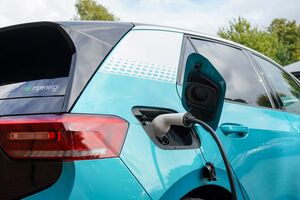
Another key benefit is control. Unlike traditional vehicles that rely solely on fuel stations, EV owners can choose how and when they charge.
“The ability to charge at home fundamentally changes the economics of driving,” Grant says. “Whether it is overnight charging on lower tariffs or making use of solar power, drivers have far more control over their monthly mobility costs.”
While public fast charging remains an option, it is typically the most expensive method. Charging 50kWh using a DC fast charger can cost around R400 and deliver approximately 250 to 350 kilometres of range. By comparison, charging the same amount at home during off-peak periods could cost closer to R175, depending on electricity tariffs.
Over time, these savings become even more meaningful. A typical commuter travelling 60 kilometres per weekday and charging at home could spend less than R1 000 per month on energy. Based on an average consumption of 16kWh per 100 kilometres and an electricity rate of approximately R3.50 per kWh, monthly costs could be closer to R750.
Fuel increases ripple through the entire economy. South Africa transports more than 80% of its goods by road, meaning rising diesel prices quickly translate into higher food and retail costs.
What electric vehicles offer:
- Lower running costs: Charging an EV can cost significantly less per kilometre than petrol, particularly with home charging or off-peak tariffs, and lower service costs should help reduce the total cost of ownership over time.
- Energy independence: Less exposure to global oil shocks and currency volatility, giving consumers greater control over when and where they charge.
- Future-forward infrastructure: South Africa is actively expanding EV charging networks, with policy support increasingly aligning with electrification.