Leapmotor at Stellantis South Africa announced a partnership agreement with boutique car rental company, Drive Electric, to make premium electric mobility more accessible to local driving consumers.
Share with friends
Drive Electric brands itself as South Africa’s first vehicle rental provider with an exclusively electric vehicle (EV) fleet.
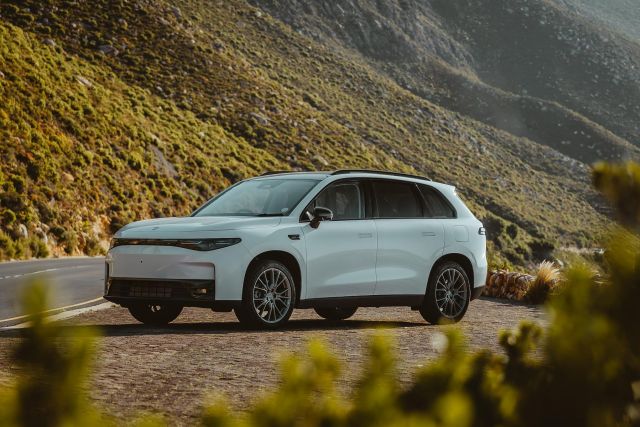
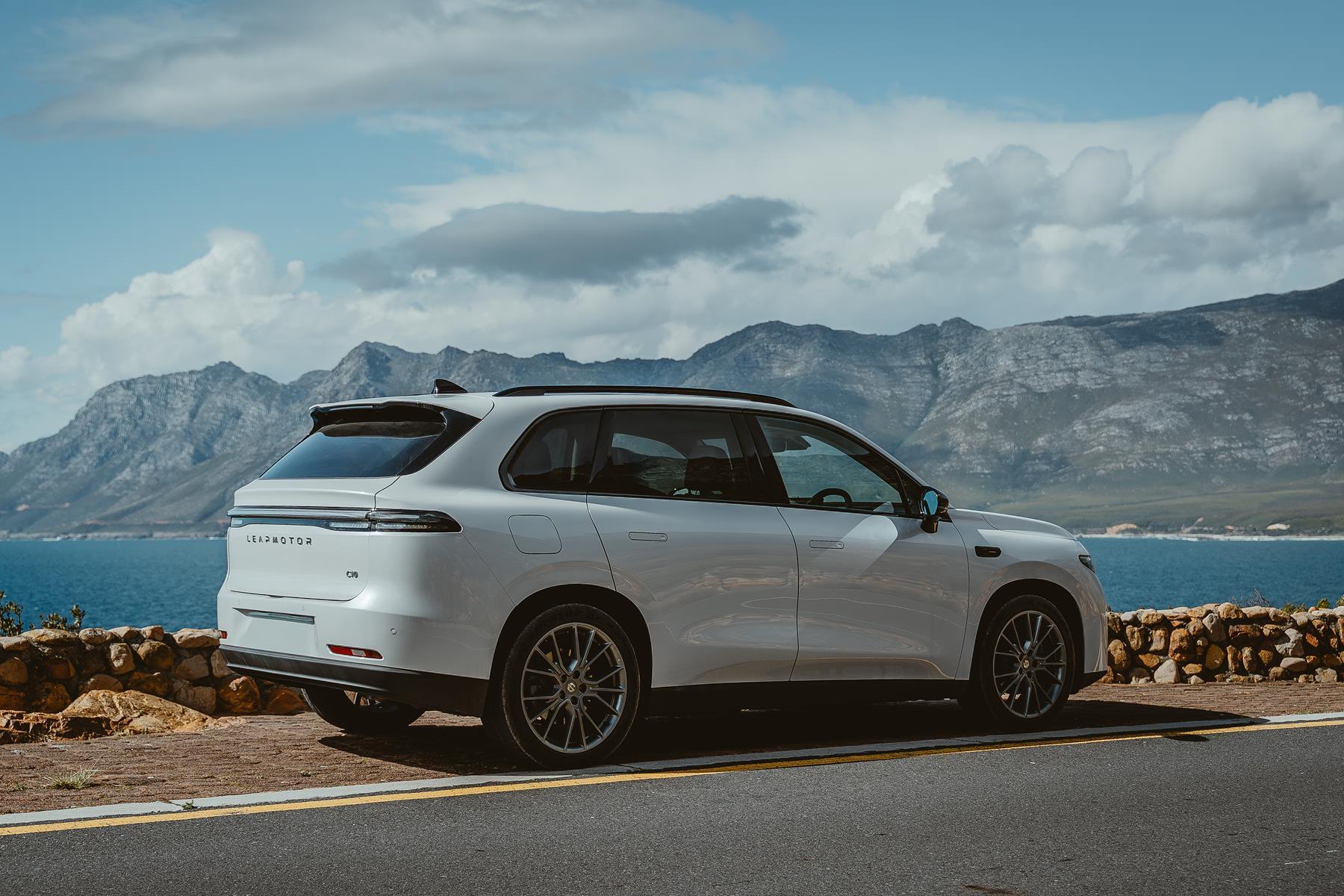
As part of the agreement, Leapmotor will supply Drive Electric with a fleet of Leapmotor C10 REEV (range extender electric vehicle). These vehicles will be added to Drive Electric’s existing electric fleet, strengthening the company’s ability to deliver premium rental, executive transport and chauffeur-driven services built around electric mobility.
“Leapmotor represents a new generation of intelligent electric vehicles that align closely with Drive Electric’s vision of premium, tech-forward mobility,” says Janus Janse van Rensburg, Head of Marketing and Sales for Leapmotor at Stellantis South Africa.
“The C10 REEV is designed around real-world electric use,” Janus says. “It enables full electric commuting while providing the confidence of extended range for longer journeys, supported by advanced technology and a refined interior experience.”
For Drive Electric, the partnership supports its strategy of delivering seamless electric mobility at scale. “We chose to partner with Leapmotor because of their world-renowned innovative mobility solutions, aiming to shape the future of transport and electric mobility,” says Chris O’Connor, Founder and CEO of Drive Electric.
“For premium rental and chauffeur-driven services like ours, reliability, range and passenger experience are critical. The C10 REEV delivers on all three through top-tier comfort, advanced safety and intuitive smart technology,” Chris says.
The Leapmotor C10 REEV operates exclusively as an electric vehicle, driven by an electric motor, while a 1.5-litre Atkinson Cycle petrol engine is used as a generator to maintain battery charge when needed. This enables everyday electric driving while extending the range for longer journeys, without having to search for charging stations along the route.
With an electric-only range suited to daily commuting and a combined range approaching 1 000km with generator assistance, the C10 REEV bridges the gap between full battery electric vehicles and conventional hybrids. Fast DC charging enables rapid top-ups, while AC charging supports convenient overnight charging.
Inside, the Leapmotor C10 REEV offers a spacious five-seat cabin designed around comfort, connectivity and refinement. High-quality materials, power-adjustable seating and advanced climate control contribute to a calm and comfortable environment.
The digital cockpit features a large central infotainment display, intuitive smart controls and over-the-air software updates, making sure the vehicle stays current throughout its life. There’s also a comprehensive suite of advanced safety and driver assistance systems to support confident and relaxed driving.
The Leapmotor C10 REEV is integrated into the Drive Electric rental platform (www.driveelectric.co.za) and will soon be available to customers in Johannesburg and Cape Town.
Imperial Motors Zambia, part of Motus Africa, has added UD Trucks to its dealership offering following an official launch in Lusaka on 1 October. The brand will be represented at three operational locations in Lusaka, Kitwe and Solwezi.
Isuzu Motors South Africa has introduced its all-new seventh-generation N-Series truck range, representing the most comprehensive update to the company's light and medium-duty commercial vehicle line-up in years.
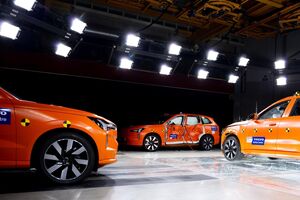
Euro NCAP has changed the way it tests cars. The 2026 protocols, the biggest revision in three years, restructure the assessment around four stages: safe driving, crash avoidance, crash protection and post-crash care.
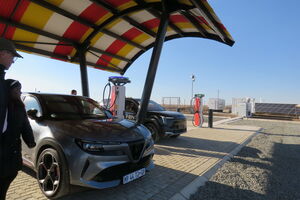
Charging time remains a worry for many South Africans considering an electric vehicle, who still see it as a disruption rather than a quick stop at a filling station. That view is starting to shift.
South Africa has taken important steps to position itself within the global electric vehicle (EV) industry, but industry stakeholders argue that further policy adjustments are needed if the country is to accelerate adoption and support long-term investment in clean transport infrastructure.