Stellantis takes the next step with Solid-State Battery
Stellantis and Factorial Inc (Factorial) unveiled a next chapter in their partnership to accelerate the development and deployment of next-generation electric vehicles (EVs) powered by Factorial’s solid-state battery technology.
Share with friends
This initiative builds upon the 1 billion rand investment Stellantis made in Factorial in 2021.
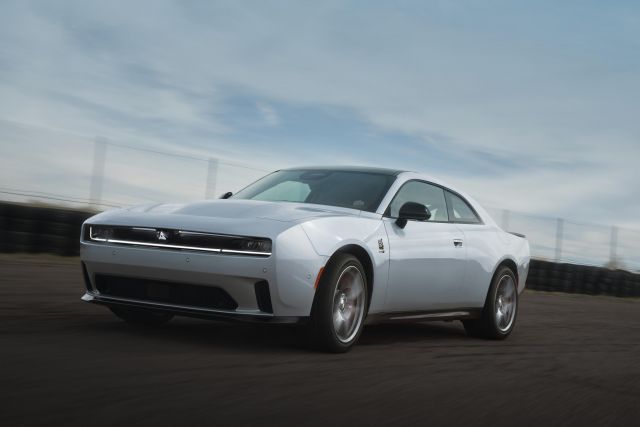
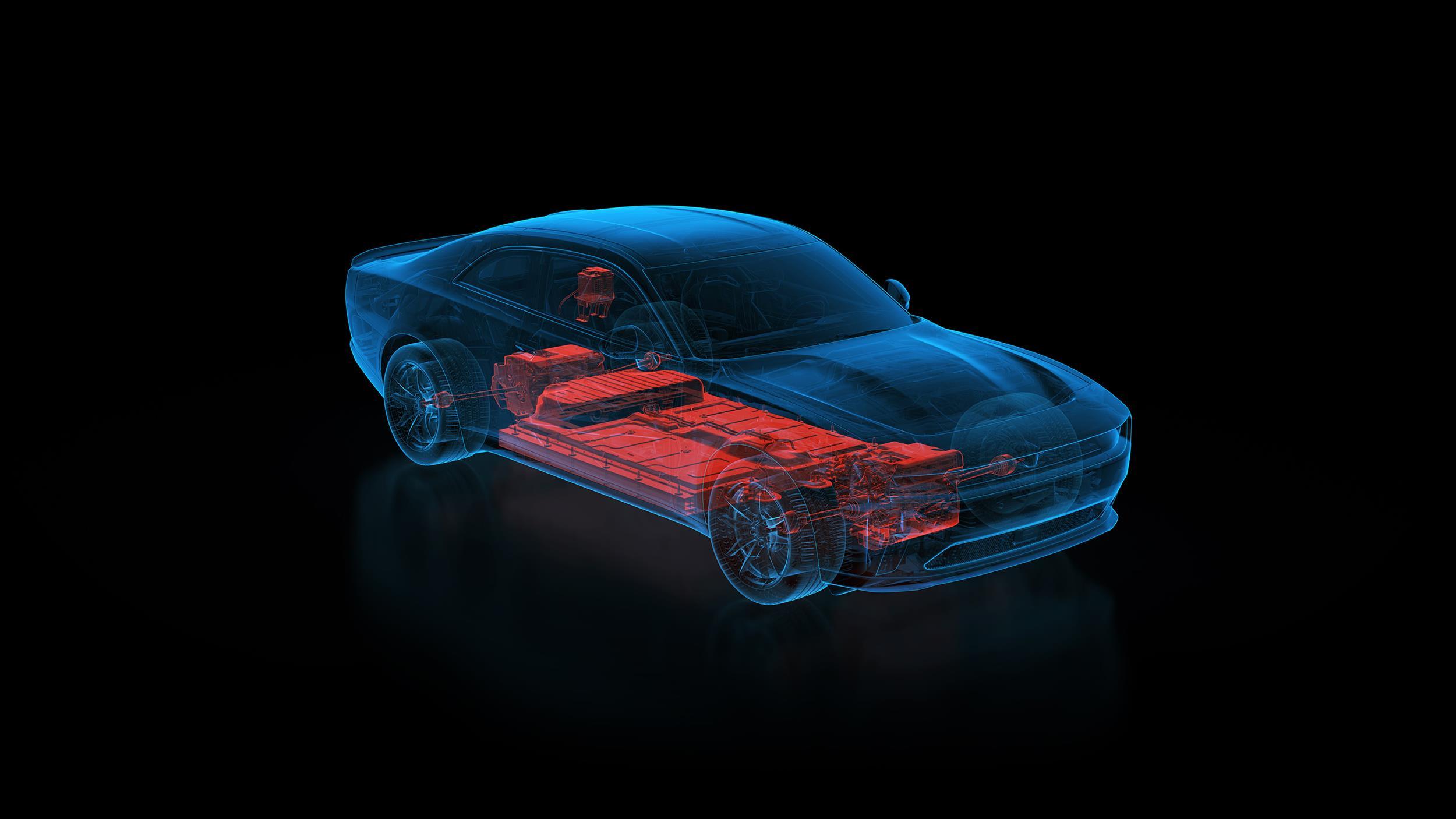
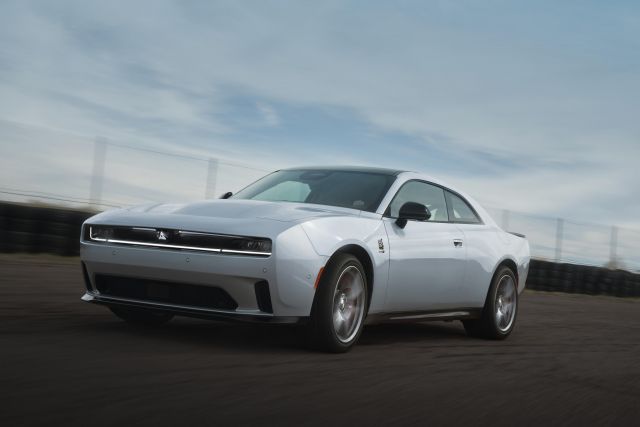
Stellantis will launch a demonstration fleet of all-new Dodge Charger Daytona vehicles by 2026 equipped with Factorial’s solid-state batteries, marking a key next step in the commercialisation of this promising technology. This demonstration fleet will enable the validation of Factorial’s technology and the assessment of its performance in real-world driving conditions.
Factorial will supply Stellantis with cells based on its proprietary FEST® solid-state battery technology, which enables a specific energy density of over 390 Wh/kg. Factorial’s FEST® offers substantial advantages over traditional lithium-ion batteries, including higher energy density, reduced weight, improved performance and a potential for further reduction in total vehicle cost over time. This makes it an ideal candidate for powering next-generation EVs.
Dodge Charger Daytona will feature a solid-state battery, good for high performance, long range and weight saving.
Stellantis has selected the STLA Large multi-energy platform for this innovative technology owing to its focus on high-volume electric SUVs and performance vehicles. The STLA Large platform, a cornerstone of Stellantis’s Dare Forward 2030 strategic plan, includes brands such as Jeep®, Dodge, Chrysler, Alfa Romeo and Maserati. It is designed to support up to two million vehicles globally, making it perfectly suited for this innovative battery technology.
“This demonstration fleet is an important milestone in our partnership with Factorial,” says Ned Curic, Chief Engineering and Technology Officer at Stellantis. “By integrating Factorial’s innovative battery solution into the STLA Large platform, we are validating its potential to enhance our electric vehicle line-up, ensuring customers benefit from improved performance, longer driving ranges and faster charging times in the coming years.”
“We are honoured to be part of this journey with Stellantis to accelerate the adoption of electric vehicles,” says Siyu Huang, Factorial’s CEO and Co-Founder. “We believe solid-state technology can play a crucial role in enabling the next generation of EVs with improved performance and reduced costs.”
Peugeot has expanded its Landtrek line-up with the addition of a new turbodiesel-powered model aimed at buyers looking for increased performance, greater towing capability and updated technology. The latest derivatives join the range from October 2026 and introduce a significant powertrain upgrade for the bakkie.
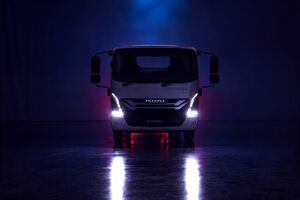
Isuzu Motors South Africa will launch its Next Generation N-Series in November, bringing new technology and design updates to improve efficiency, safety, driver comfort, and operating value for commercial vehicle fleets.
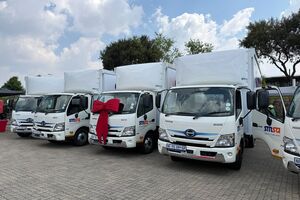
SMSA Africa Logistics Group has added five Hino 300 diesel electric hybrid trucks with van bodies to its fleet, following a two-year trial of three such trucks in its delivery operation.
South Africa's new energy vehicle market is becoming increasingly diverse, with plug in hybrid electric vehicles (PHEVs) and fully electric vehicles gaining ground while traditional hybrids remain the largest category.
As South Africans celebrate their rich heritage, it is also worth reflecting on a lesser-known chapter of the country's history: its long connection with electric vehicles (EVs).