

Springboks score tries in Nissan Navara Pro4X
Two leading Springbok rugby players, Aphelele Fassi and Jordan Hendrikse, have taken delivery of their new Nissan Navara Pro4X bakkies in Durban.
- Industry News
- 12 May 2026
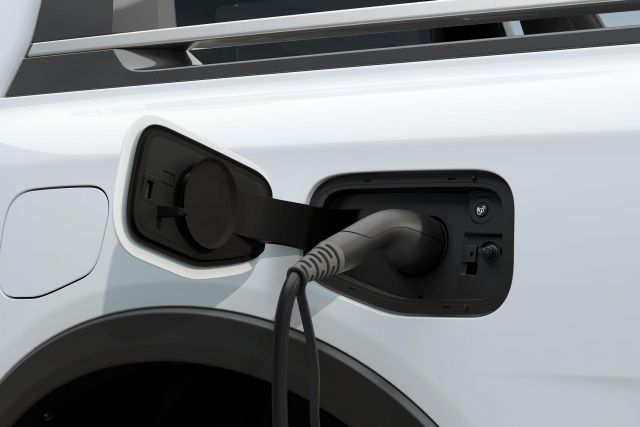
More than 40 percent of South Africans are considering purchasing an electrified vehicle (*1) in the next five years according to a recent survey (*2) by Ford Motor Company, with most preferring hybrid technology.
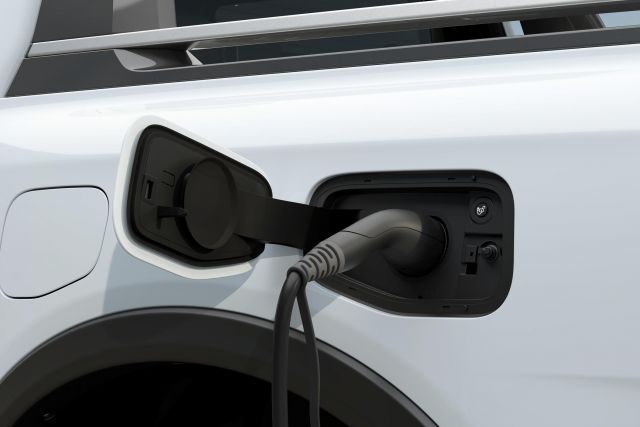
As part of its multi-market research, Ford spoke to South African car owners and those looking to buy a new car to understand how they viewed electrified vehicles so that it could be better prepared in its pursuit of an electric future.
“This research highlights the need for continued efforts to educate the public about electrified vehicles (*1), address concerns about cost, range and infrastructure and promote the benefits of electric mobility,” says Sunil Sewmohan, executive director, Product Marketing at Ford South Africa.
The research revealed key insights into South African drivers, including:
*1 Electrified vehicle (EV) refers to hybrid electric vehicles, plug-in hybrid electric vehicles and battery electric vehicles.
*2 The survey was conducted by global research and analytics consultancy, Escalent in April/May 2024 covering 1470 people across Australia, Saudi Arabia, Philippines, New Zealand, South Africa, South Korea, Thailand, Vietnam and the United Arab Emirates.
*3 Electric vehicle refers to a vehicle with a rechargeable battery and no internal combustion engine to support it.
Two leading Springbok rugby players, Aphelele Fassi and Jordan Hendrikse, have taken delivery of their new Nissan Navara Pro4X bakkies in Durban.
Dealership service departments know the pattern: the moment warranties and service plans expire; a portion of owners quietly migrate to the independent aftermarket.

Mercedes-Benz Vans South Africa announced its top-performing Agents and Dealers for 2025, recognising their exceptional dedication, customer service and commitment to the brand.
 Advertisement
 Advertisement
Have you ever noticed that anybody driving slower than you is an idiot, and anyone going faster than you is a maniac?
George Carlin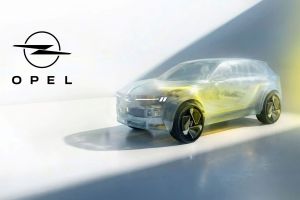
Opel has unveiled a key project under development in its model strategy: a completely new, all-electric SUV in the important and highly competitive C-segment that would extend the current line-up.
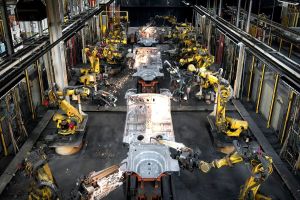
Nissan’s decision to drop a planned $500 million investment in electric vehicle (EV) production at its Canton, Mississippi plant is the latest indication that established manufacturers are reassessing how quickly the market will shift to battery power.

Zero Carbon Charge (CHARGE) welcomes the government’s extension of short term fuel levy relief measures aimed at cushioning consumers from rising fuel prices, but cautions that these interventions do not address the underlying structural challenge facing South Africa’s transport economy.