For South Africa, the development raises a pressing question: could such a milestone happen here, and is the country any closer to realising its ambition of producing a truly South African electric car?
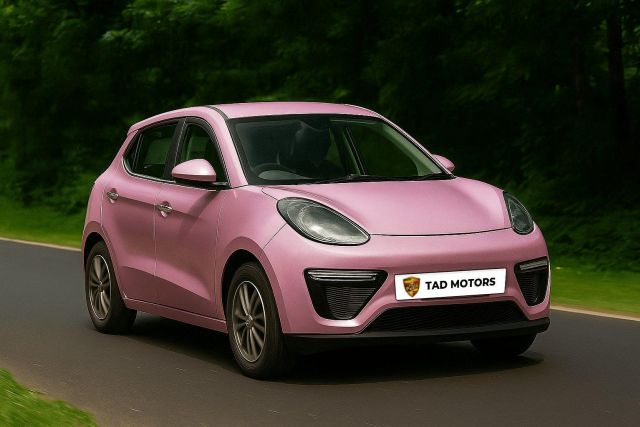
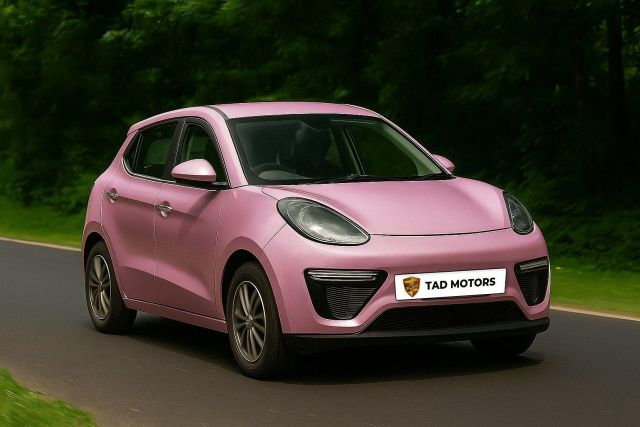
Tad Motors’ achievement rests on a practical formula: Chinese-sourced components, strong government support, international collaboration and local assembly. This approach enabled the Kenyan start-up to launch five EV models, from nimble city cars to rugged workhorses, all designed for African roads.
The Kenyan government’s active role has been crucial, promoting clean mobility, offering industrial incentives and attracting foreign investment. Endorsements from organisations such as the United Nations Environment Programme have further strengthened Kenya’s position as a continental leader in EV adoption.
South Africa, meanwhile, occupies a paradoxical position. It boasts Africa’s most sophisticated automotive manufacturing base, hosting plants for global giants like Toyota, Ford, BMW, Mercedes-Benz and Volkswagen. It has advanced component suppliers, robust logistics and deep engineering expertise. By all accounts, South Africa should be spearheading Africa’s EV movement. Yet progress has been slow, hampered by policy uncertainty and indecision over long-term industrial planning.
For nearly ten years, South Africa has debated a comprehensive EV strategy, but implementation has faltered. Manufacturers point to unclear import tariffs, insufficient incentives for local EV production and the lack of a battery manufacturing roadmap. The government’s 2023 EV White Paper was a positive step, but it has not yet delivered the decisive push needed to attract bold ventures like Tad Motors.
Market dynamics add further complexity. EV uptake remains low owing to high purchase costs, limited charging infrastructure and the challenge of an unstable electricity grid. While these factors do not prevent local assembly, they make the domestic market less appealing for start-ups seeking scale.
South Africa’s dream of a home-grown car is not new. The most credible attempt was the Joule, an electric vehicle developed by Cape Town’s Optimal Energy in the late 2000s. Despite international interest and a Geneva Motor Show debut, the project collapsed under the weight of insufficient funding and weak government backing. Earlier efforts at unique South African vehicles never achieved commercial success.
Kenya’s Tad Motors triumph illustrates what is possible and what South Africa has struggled to achieve. With the right incentives, local innovators could design or assemble affordable EVs suited to African conditions. South Africa’s industrial ecosystem is primed; what’s lacking is urgency and policy clarity. Competing with premium imports is unnecessary, a locally assembled compact EV or utility vehicle could occupy a niche that global brands have overlooked.
As more African nations carve out roles in the EV economy, South Africa risks falling behind. Kenya, Rwanda, Morocco and Egypt are advancing rapidly. South Africa has the resources to lead, but will it act in time? Kenya’s success should serve as a wake-up call: African innovation thrives where conditions allow. If South Africa wishes to retain its automotive dominance, it must rediscover the boldness that once inspired projects like the Joule and pair it with decisive policy action. The question is no longer whether South Africa can build an EV, but whether it will choose to lead before others leave it behind.
Photo: TAD Motors