

Springboks score tries in Nissan Navara Pro4X
Two leading Springbok rugby players, Aphelele Fassi and Jordan Hendrikse, have taken delivery of their new Nissan Navara Pro4X bakkies in Durban.
- Industry News
- 12 May 2026
In 2025, Chery will introduce 19 hybrid models across the HEV (hybrid electric vehicle), PHEV (plug-in hybrid electric vehicle) and REEV (range-extender electric vehicle) categories.
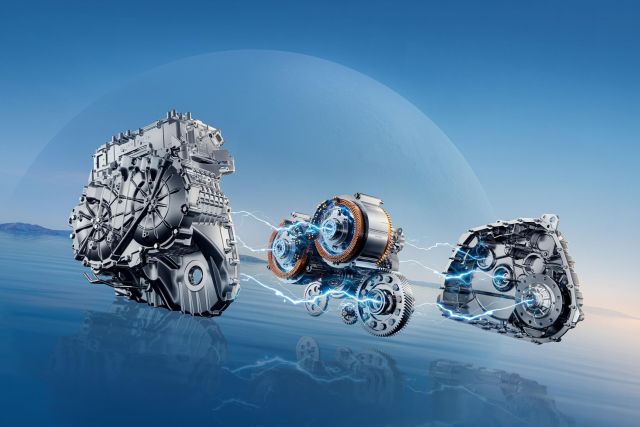
The first of these will be unveiled at Auto Shanghai 2025 where Chery will officially launch its Super Hybrid (CSH) brand. The Tiggo 7 CSH, Tiggo 8 CSH and Tiggo 9 CSH will make their public debut at the event.
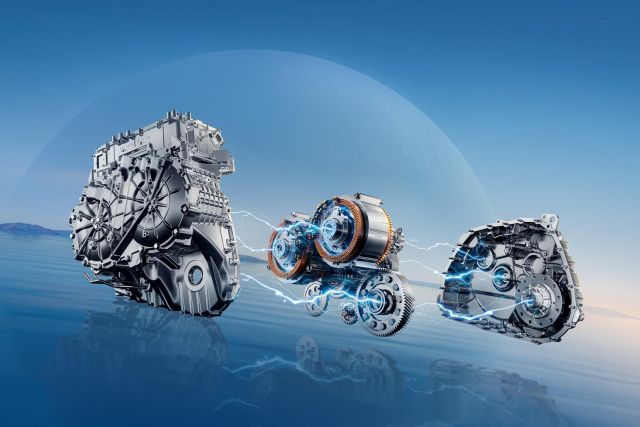
The next-generation CSH range will be powered by an advanced hybrid engine boasting a record-breaking 46.5% thermal efficiency, paired with a hybrid transmission offering 93% efficiency — resulting in fuel consumption as low as 2 to 3L/100km.
A dedicated 2.0 TGDI hybrid engine, combined with DHT230 and DHT280 transmissions, delivers up to 280kW of total system output and a hybrid motor speed of 24 000r/min. CSH is engineered for versatility, including off-road conditions, where custom power solutions allow drivers to tackle everything from deserts to rugged terrain.
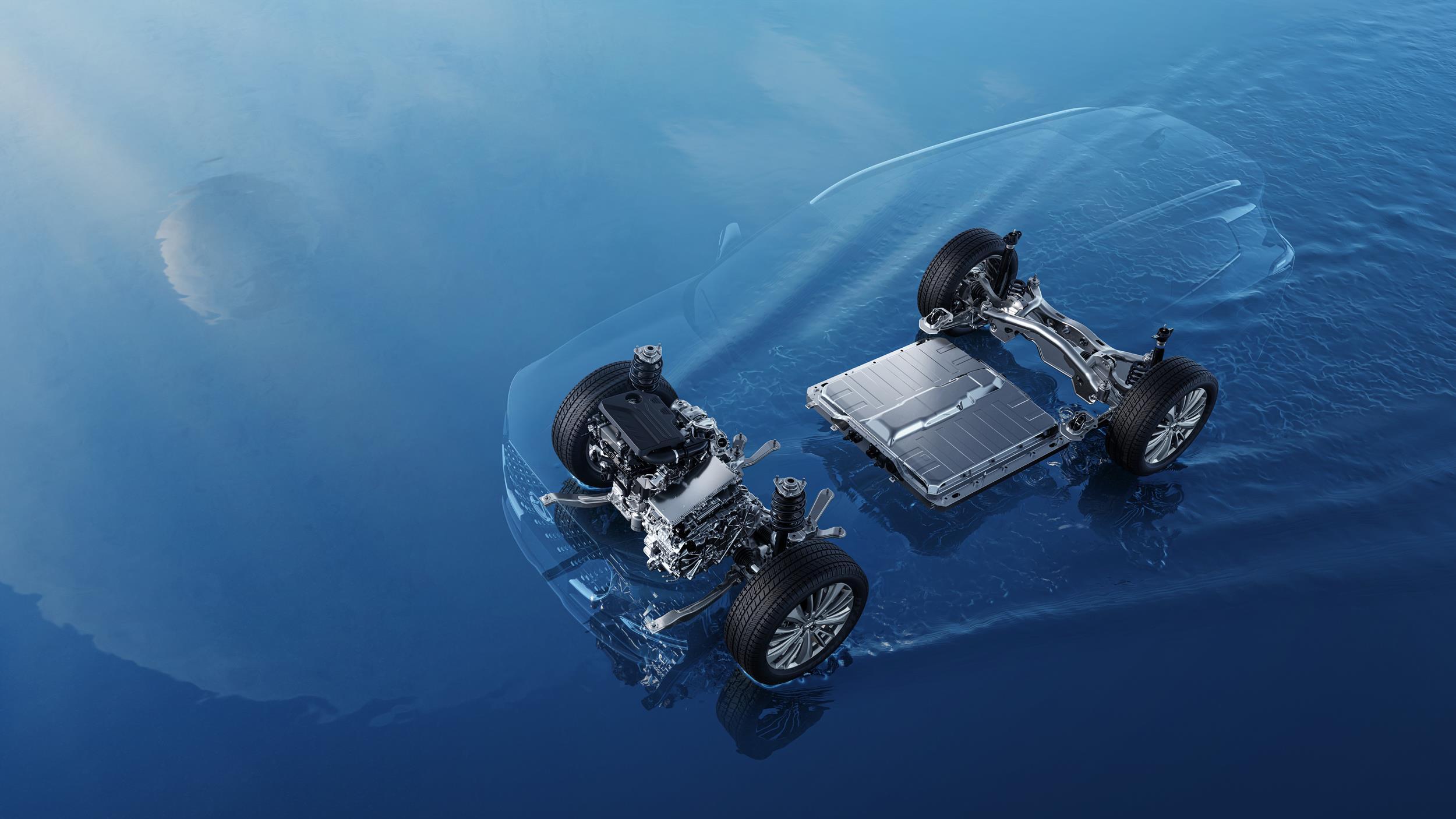
The Super Hybrid technology will be available through a line-up of platforms, including the Super Hybrid Off-road Platform, Super Golden Extended-Range Platform, High-performance Electric platform and Super Hybrid platform.
“Advancing hybrid technology means harnessing innovation and new energy to drive sustainable growth and support a greener future,” says Jay Jay Botes, General Manager for Chery South Africa. “We believe Super Hybrid technology will become a key growth driver in markets like South Africa, especially as we expand our local line-up with electrified models later this year.”
Earlier this month, Chery unveiled its latest global hybrid technology at the Chery Hybrid Night & Open Source Initiative Launch event in Wuhu, China. The debut of its hybrid technology brand, Chery Super Hybrid (CSH), marks Chery’s evolution from a technology follower to a leader, positioning it as a driving force in the global mobility revolution.
Chery Chairman, Yin Tongyue, highlighted that the company’s hybrid technology strategy was grounded in sustainability and driven by the principle of delivering “four essentials”: eco-friendly development, affordability, safety and a strong driving range. Chery aims to offer consumers across various global markets broader options.
Over 20 years of dedicated R&D and strategic planning have enabled Chery to establish itself as a global leader in hybrid technology. This “triad” comprises complete in-house control of core technologies, safety-driven industry standards and an open-source ecosystem built in collaboration with international partners.
In 2001, when hybrid technology was still a futuristic concept for most automakers, Chery began its R&D journey from the ground up. Today, the company is China’s earliest hybrid technology pioneer, boasting the most advanced solutions, the fastest-growing hybrid segment and the widest range of hybrid-equipped models in its global line-up.
Chery will soon put its new CSH technology to the test in a demanding long-distance evaluation. Over four days, the Tiggo 9 CSH will cover more than 1 600km — from the Three Gorges, passing through Wuhan and Wuzhen, and ending in Shanghai. The route will showcase the real-world performance and extended range of Chery’s Super Hybrid line-up.
Two leading Springbok rugby players, Aphelele Fassi and Jordan Hendrikse, have taken delivery of their new Nissan Navara Pro4X bakkies in Durban.
Dealership service departments know the pattern: the moment warranties and service plans expire; a portion of owners quietly migrate to the independent aftermarket.

Mercedes-Benz Vans South Africa announced its top-performing Agents and Dealers for 2025, recognising their exceptional dedication, customer service and commitment to the brand.
 Advertisement
 Advertisement
You can't buy happiness but you can buy cars and that's kind of the same thing.
Unknown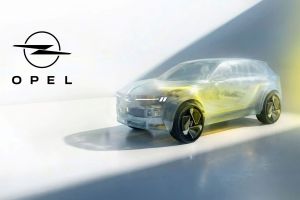
Opel has unveiled a key project under development in its model strategy: a completely new, all-electric SUV in the important and highly competitive C-segment that would extend the current line-up.
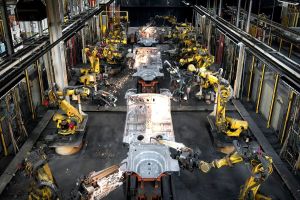
Nissan’s decision to drop a planned $500 million investment in electric vehicle (EV) production at its Canton, Mississippi plant is the latest indication that established manufacturers are reassessing how quickly the market will shift to battery power.

Zero Carbon Charge (CHARGE) welcomes the government’s extension of short term fuel levy relief measures aimed at cushioning consumers from rising fuel prices, but cautions that these interventions do not address the underlying structural challenge facing South Africa’s transport economy.