

Springboks score tries in Nissan Navara Pro4X
Two leading Springbok rugby players, Aphelele Fassi and Jordan Hendrikse, have taken delivery of their new Nissan Navara Pro4X bakkies in Durban.
- Industry News
- 12 May 2026
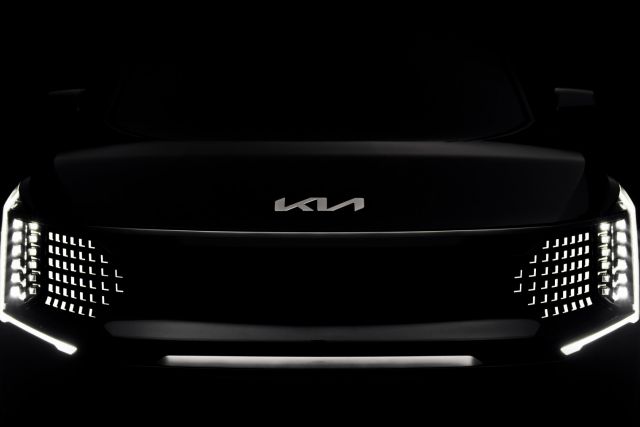
Kia Corporation unveiled a set of video clips on 2 March to tease its highly anticipated Kia EV9, the brand’s dedicated battery electric SUV.
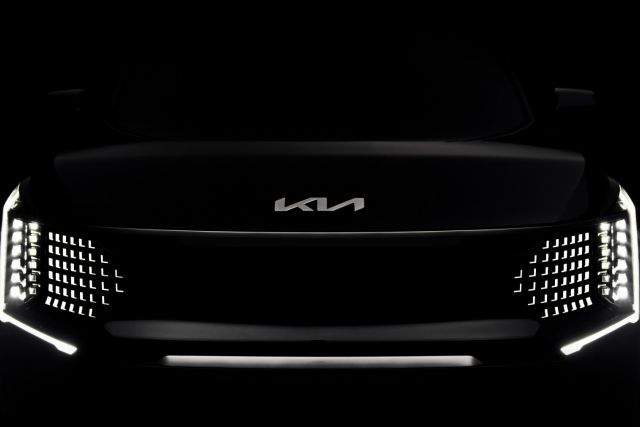
The teaser video showcases a silhouette of the flagship SUV model, featuring its prominent front and sleek body surfaces. The striking lighting patterns created by the front and rear lamps complete the EV9’s bold identity. The video clips also preview the Kia EV9’s unique blend of sleek and sculptural design and confident and assertive geometry.
The name, EV9, comes from Kia's EV nomenclature, pairing the prefix ‘EV’ (electric vehicle) with the number ‘9’ (nine), which represents the model’s segment among Kia’s dedicated electric vehicle line-up. Like the Kia EV6, the Kia EV9 is built upon the company’s Electric Global Modular Platform (E-GMP).
Kia will fully reveal both the exterior and interior design in mid-March, and the product information will be fully disclosed during the Kia EV9 World Premiere in late March.
Two leading Springbok rugby players, Aphelele Fassi and Jordan Hendrikse, have taken delivery of their new Nissan Navara Pro4X bakkies in Durban.
Dealership service departments know the pattern: the moment warranties and service plans expire; a portion of owners quietly migrate to the independent aftermarket.

Mercedes-Benz Vans South Africa announced its top-performing Agents and Dealers for 2025, recognising their exceptional dedication, customer service and commitment to the brand.
 Advertisement
 Advertisement
You can't buy happiness but you can buy cars and that's kind of the same thing.
Unknown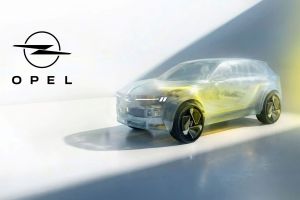
Opel has unveiled a key project under development in its model strategy: a completely new, all-electric SUV in the important and highly competitive C-segment that would extend the current line-up.
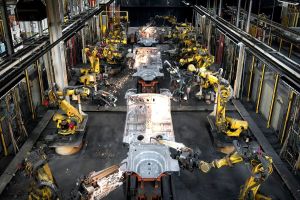
Nissan’s decision to drop a planned $500 million investment in electric vehicle (EV) production at its Canton, Mississippi plant is the latest indication that established manufacturers are reassessing how quickly the market will shift to battery power.
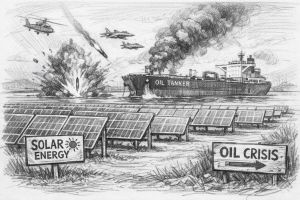
Zero Carbon Charge (CHARGE) welcomes the government’s extension of short term fuel levy relief measures aimed at cushioning consumers from rising fuel prices, but cautions that these interventions do not address the underlying structural challenge facing South Africa’s transport economy.