The plans form part of its global renewable energy strategy, which aims to increase self-generated energy to 36.4% of its global consumption by 2030.
JLR’s new off-grid energy projects aim to produce almost 120 megawatts (MW) of renewable energy at their peak, enough to power nearly 44 500 homes or charge 2.7 million I-PACE batteries annually.
Central to these plans is the installation of a variety of solar types designed to maximise the unique qualities of each of JLR’s global sites, initially focusing on key manufacturing and non-production locations in the UK, including its Halewood plant in Merseyside, the newly named Electric Propulsion Manufacturing Centre (EPMC) in Wolverhampton and its Gaydon headquarters.
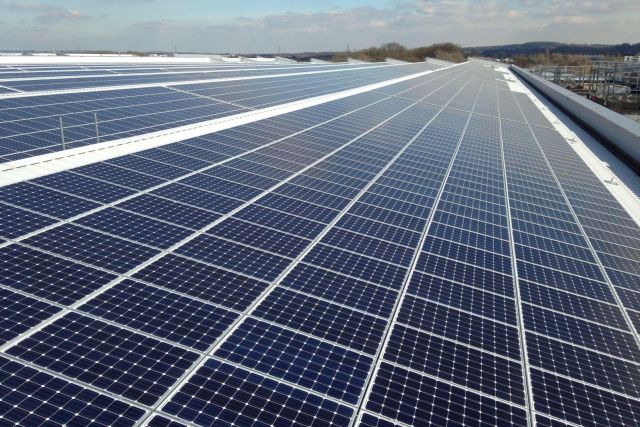
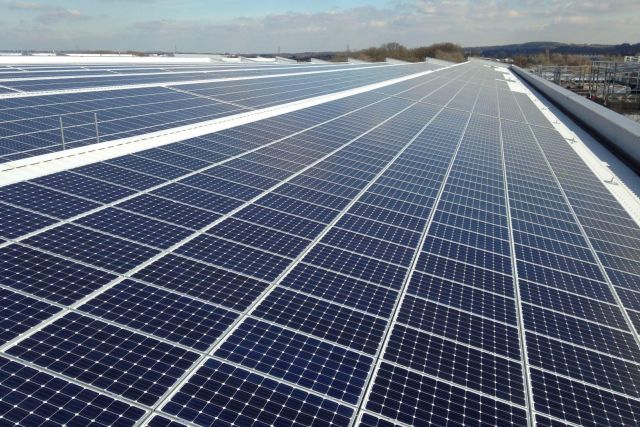
A mix of rooftop and ground-mounted panels, as well as solar car ports to power processes and electric car charging, will boost self-generated energy capability from solar by 16%. All sites will retain import grid connections to ensure security of supply.
Work is now underway to deliver these projects with the first three scheduled for completion by the end of 2026. Planning is already granted for an 18.2 MW ground-mounted solar array at the company's headquarters in Gaydon. Combined with a roof-mounted solar array already on site, the electricity generated will provide the facility with around 40% of its energy needs.
Self-generated solar capacity at the EPMC will increase by a staggering 145% through the expansion of existing rooftop arrays to generate 18.9 MW, enough power to cover 37% of the site’s total consumption.
Francois Dossa, JLR Strategy & Sustainability Executive Director, says JLR is committed to managing its net zero energy transition against the challenging backdrop of volatile energy prices.
“We are working hard as a business to improve our energy efficiency across our entire global operations. These new projects will diversify our energy portfolio, to reduce our reliance on Grid electricity and help us to reduce our energy bills. The steps we are taking further support our ambitious goal of achieving net zero emissions by 2039 and to hit our mid-term science-based targets along the way.”
JLR has already rolled out energy efficiency projects across the business, reducing emissions by 26% in 2023 compared to 2020. A total of 53 energy optimisation projects were successfully implemented in the last year with savings in CO2e of 10.9kt, equivalent to 5 450 000 fire extinguishers.
JLR is also piloting a global smart energy metering system at its manufacturing sites with the support of a strategic partner, while continuing to purchase 100% renewable-backed electricity for all core UK operations.
Combined, these additional efficiency measures, renewable initiatives, grid decarbonisation and degasification projects, will attain JLR’s goal to cut carbon emissions across its operations by 46% by 2030.
This announcement is a further example of JLR accelerating delivery of its Reimagine strategy, ensuring sustainability is at the heart of the business, aligned with parent company Tata Sons' ambition to become one of the most sustainable business groups in the world.