Inaugural Fuels Industry Imbizo highlights SA’s energy transition
The inaugural Fuels Industry Imbizo under the theme “Embracing the Future of Energy Mobility”, emphasised the shift from conventional fuels towards a diversified energy mix, with growing focus on alternatives such as electric mobility.
Share with friends
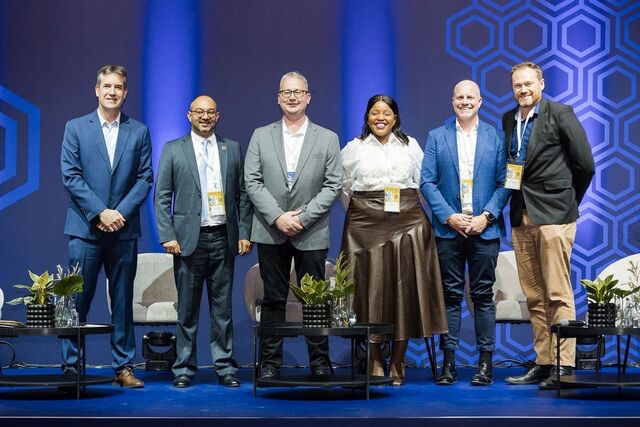
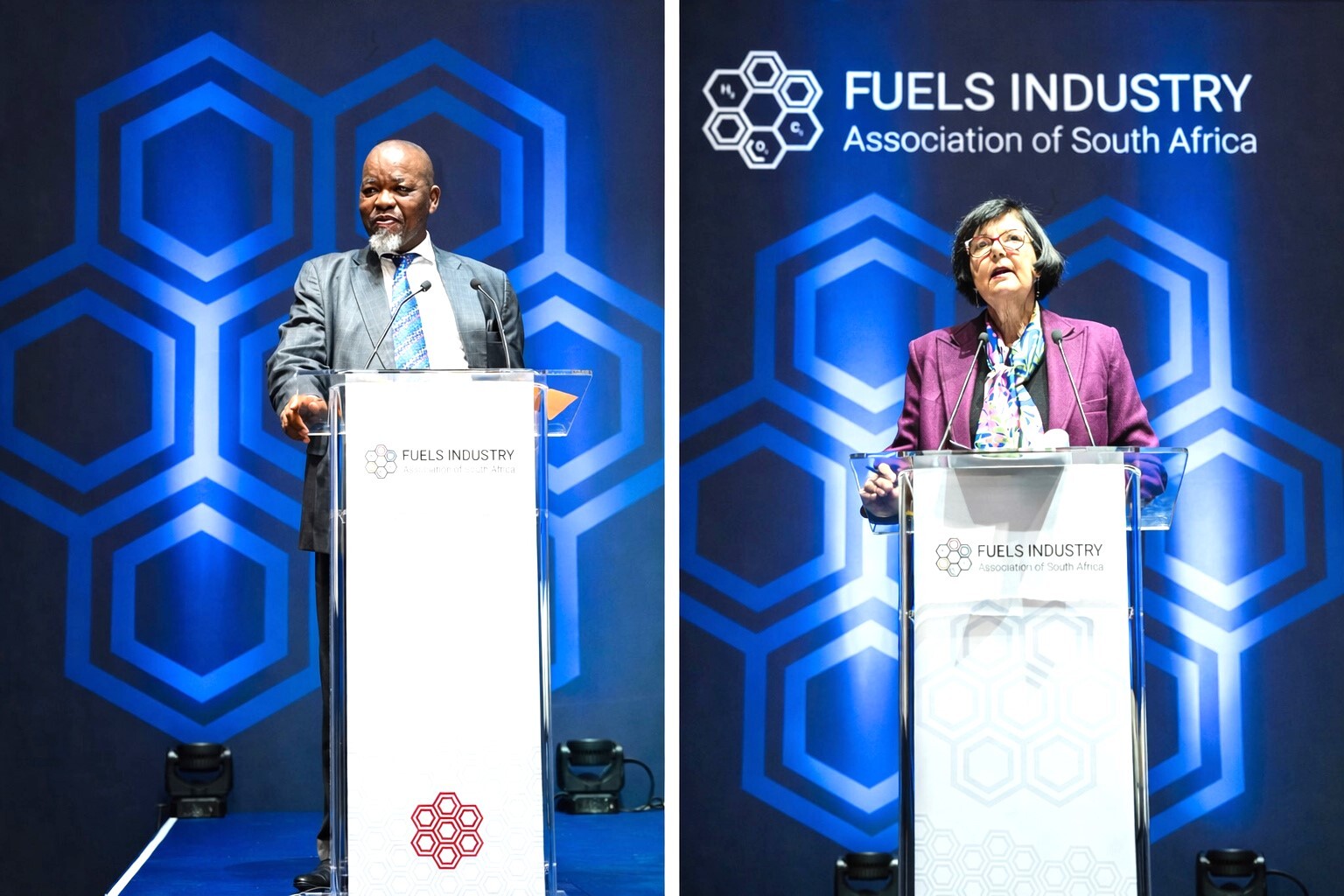
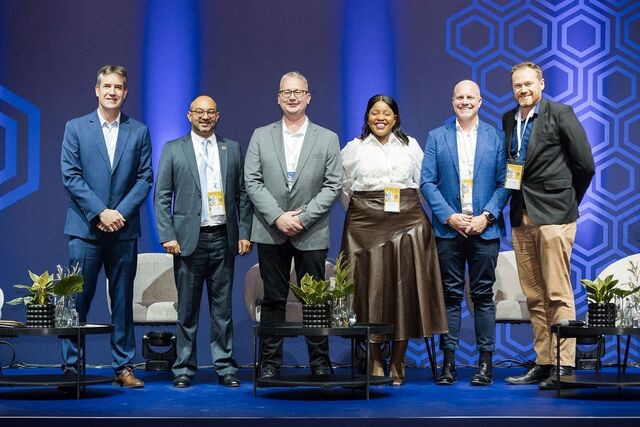
Minister of Mineral and Petroleum Resources, Gwede Mantashe, opened proceedings with a keynote address, followed by a panel discussion titled “What the New Energy Vehicle Revolution Means for the Petroleum Sector”. The Electric Mission engaged in strategic dialogue with representatives from Toyota South Africa Motors, Volvo Car South Africa, Chery South Africa, First National Bank and Accenture South Africa.
Hiten Parmar, Executive Director of The Electric Mission, stated: “Globally, the sale of internal combustion engine vehicles has already peaked in 2017, and today, more evidently, consumers are voting with their purchasing power under their energy security with the transition to electric vehicles.” Road transport accounts for 97 percent of transport sector emissions, according to the Department of Transport. Minister Barbara Creecy addressed delegates on Day 2, highlighting the urgent need for improved fuel quality standards, as South Africa still relies on Euro 2 emission norms dating back to 1996.
Hiten reported that South Africa’s battery electric vehicle stock is expected to reach 7 940 units by the end of 2025. He cautioned against hybrids as a transitional technology, pointing out that plug-in hybrids can emit up to five times more than manufacturers claim. He stressed that technologies must be assessed on their emission reduction potential relative to the investment required.
The International Energy Agency (IEA) has projected that 30 percent of global car sales in 2026 will be electric, rising to 50 percent by 2035 without new policy interventions. Fatih Birol, IEA Executive Director, remarked: “The vase is broken, and trust in fossil fuels will not be fully restored.”
South Africa ranks among the top 25 countries globally for the average number of electric vehicles per public charging point. Complementing this, the South African Photovoltaic Industry Association (SAPVIA) reported 12.5 gigawatts of private solar generation capacity registered by the end of 2025.
Hiten emphasised the need for national policy coherence, particularly with the anticipated Cleaner Fuels 2 policy scheduled for implementation from mid-2027. He argued that this must incorporate a framework for fuel efficiency standards.
The 2026 Imbizo provided a platform for stakeholders to explore how South Africa can position itself for a sustainable, efficient and low-carbon future. Hosted by the Fuels Industry Association of South Africa, the event offered insights, regulatory clarity and strategic direction to navigate technological, environmental and policy shifts.
Gwede Mantashe (Minister of Mineral and Petroleum Resources) and Barbara Creecy (Minister of Transport).
Few can claim a bond with Mazda as deep as the Plitt family's. For more than 60 years, Mazda has been part of the family's story through Mazda Vereeniging, the oldest Mazda dealership in South Africa and a longstanding standalone representative of the brand.
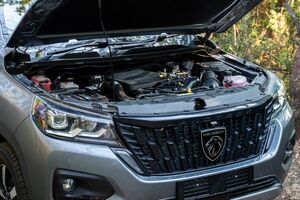
Peugeot has expanded its Landtrek line-up with the addition of a new turbodiesel-powered model aimed at buyers looking for increased performance, greater towing capability and updated technology. The latest derivatives join the range from October 2026 and introduce a significant powertrain upgrade for the bakkie.
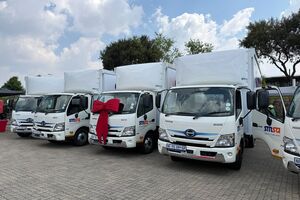
SMSA Africa Logistics Group has added five Hino 300 diesel electric hybrid trucks with van bodies to its fleet, following a two-year trial of three such trucks in its delivery operation.
South Africa's new energy vehicle market is becoming increasingly diverse, with plug in hybrid electric vehicles (PHEVs) and fully electric vehicles gaining ground while traditional hybrids remain the largest category.
As South Africans celebrate their rich heritage, it is also worth reflecting on a lesser-known chapter of the country's history: its long connection with electric vehicles (EVs).