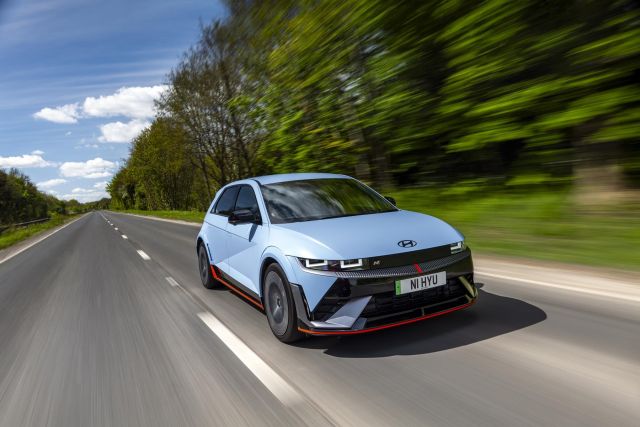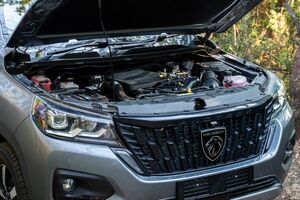
Bakkies take centre stage at Nampo 2026
Nampo Harvest Day near Bothaville in the Free State has always been the place where South Africa’s farming community gathers to see the latest machinery and, importantly, new bakkies.
- Industry News
- 13 May 2026
Chilean lithium miner, SQM, the world's second-largest lithium producer, says it has reached a long-term supply deal with Hyundai and Kia to provide the carmakers with the white metal, key to the production of electric vehicle batteries.
Hyundai and Kia will "secure a portion of (their) future lithium hydroxide supply from SQM", the SQM, which has already landed supply deals with Ford Motors and battery maker LG Energy, said in a statement.
SQM did not give financial details of the deal with the Korean automakers, but said there was "strong motivation to continue with (its) lithium hydroxide expansion plan."
The mining company’s current Chilean capacity for lithium hydroxide, made from lithium carbonate, is at 40 000 metric tons a year, according to its first-quarter results.
SQM is on track to boost output in Chile to 100 000 tons in 2025. It is also building up capacity in China and Australia.
At the end of May, SQM signed an agreement with Chilean state-run mining company, Codelco, to form a joint venture that will let SQM boost output through to 2060 at the Salar de Atacama, one of the world's most prized areas for extracting lithium.
(Reuters).

Opel has unveiled a key project under development in its model strategy: a completely new, all-electric SUV in the important and highly competitive C-segment that would extend the current line-up.
Nissan’s decision to drop a planned $500 million investment in electric vehicle (EV) production at its Canton, Mississippi plant is the latest indication that established manufacturers are reassessing how quickly the market will shift to battery power.
Zero Carbon Charge (CHARGE) welcomes the government’s extension of short term fuel levy relief measures aimed at cushioning consumers from rising fuel prices, but cautions that these interventions do not address the underlying structural challenge facing South Africa’s transport economy.