Newly released figures from the VDA, the country’s automotive industry association, reveal that Germany retained its place as the world’s second‑largest EV producer, surpassed only by China.
The data show that output of fully battery‑electric cars reached 1.22 million units, marking a 15% year‑on‑year increase. Production of plug‑in hybrid models saw an even steeper rise of 54%, totalling roughly 450 000 vehicles. Together, German factories delivered 1.67 million electric passenger cars, a combined growth of 23% compared with the previous year.
These results keep Germany ahead of the United States (US), which recorded 1.04 million EVs over the same period, while China continued to dominate the sector with output surpassing 16 million units.
VDA President Hildegard Müller emphasised that the figures reflect the industry’s firm dedication to expanding electric mobility and supporting climate‑neutral transportation. The association is forecasting a further 10% rise in battery‑electric vehicle production in 2026.
In an effort to boost demand at home, the German government announced in January that families with low to middle incomes will qualify for subsidies of up to R113 000 when purchasing a new electric vehicle.
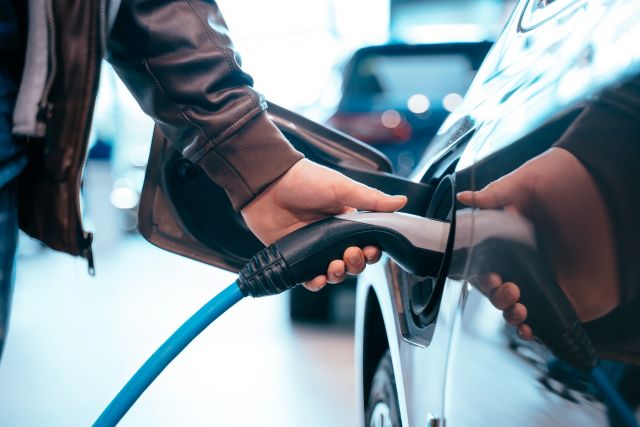
Hildegard, however, warned that sustained progress will depend on strengthening the broader ecosystem surrounding EV adoption. She urged policymakers to enhance charging infrastructure, expand the national power grid, and address high electricity costs to ensure that incentive schemes have lasting impact rather than offering only short‑term relief.