
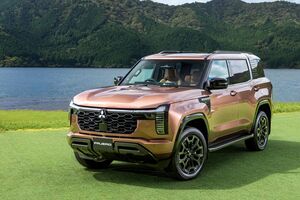
New Mitsubishi Pajero is ready to reclaim its flagship status
The Mitsubishi Pajero is preparing for a new chapter, with an all-new generation set to return as the brand's flagship SUV.
- Product News
- 22 November 2026
Electric vehicles (EVs) are still expected to dominate the European Union’s (EU) car market from 2035, yet their eventual share could vary considerably depending on the strength of upcoming emissions rules, according to new findings from the transport campaign group Transport & Environment (T&E).
While battery‑electric models could reach around 85% of new registrations, T&E warns this figure could fall to as low as 50% if policy ambitions are watered down.
The revised outlook follows the European Commission’s decision in December to ease its original 2035 mandate, shifting from a total ban on CO₂‑emitting vehicles to a requirement for a 90% cut in emissions compared with 2021 levels. The change came amid sustained lobbying from vehicle manufacturers concerned about the pace of transition.
T&E has criticised the move, calling it one of the EU’s most significant retreats from environmental policy in recent memory. The organisation argues that allowing a broader mix of non‑electric cars risks slowing the shift to cleaner transport, particularly as Chinese brands continue to accelerate ahead in the electric vehicle market.
The Commission maintains that the updated targets will still push the industry towards full electrification while reducing financial pressure on carmakers. By its estimates, the adjustment could save manufacturers €2.1 billion over a three‑year period, freeing capital for research, development, and the release of new electric models.
In its latest analysis, T&E suggests that non‑battery‑electric cars could make up between 5% and 50% of sales post‑2035. The lower end reflects manufacturers persisting with higher‑emission internal combustion engines, whereas the upper end assumes a focus on the most efficient extended‑range plug‑in hybrids. The group expects the most realistic outcome to be around 15%.
The report also warns that extending the timeframe for meeting the 2030 emissions targets could lead to overall car‑related emissions running 10% higher between 2025 and 2050 than under the previously stricter rules.
T&E further cautions that the legislation may be diluted yet again as it moves into negotiations within the European Parliament and the Council of the EU, both of which must give approval before any reforms can be enacted.
The Mitsubishi Pajero is preparing for a new chapter, with an all-new generation set to return as the brand's flagship SUV.

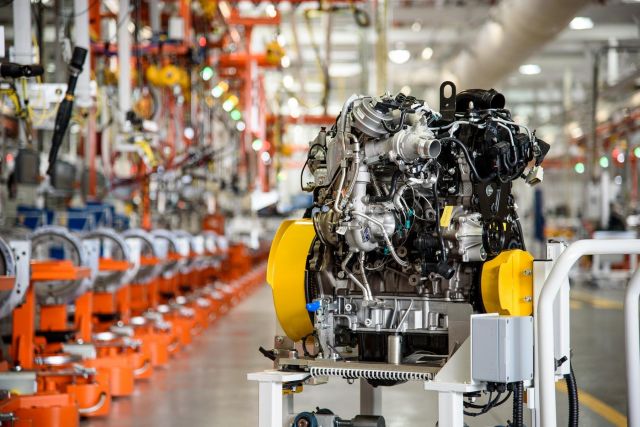
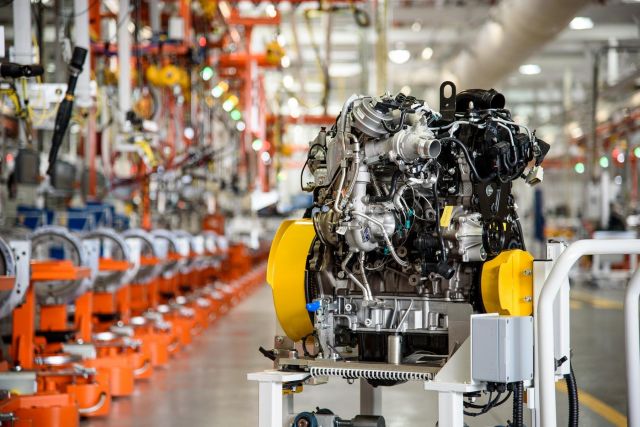
Behind every vehicle that rolls off a production line is a workforce whose skill, commitment and determination make it possible.

For many South Africans, the idea of owning an electric vehicle (EV) is appealing, but questions about charging, electricity costs, range and the practicalities of everyday use can make the decision difficult.
 Advertisement
 Advertisement
Have you ever noticed that anybody driving slower than you is an idiot, and anyone going faster than you is a maniac?
George Carlin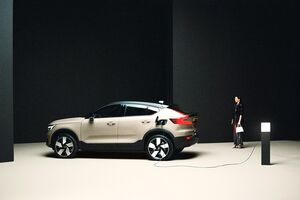
South Africa’s petrol price remains a concern for motorists, with inland 95-octane petrol staying above R30 a litre after the Department of Mineral and Petroleum Resources’ November adjustment.
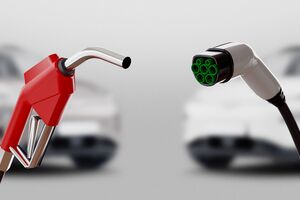
One of the main results of the 2026 Global EV Driver Survey, released by the Global EV Alliance (GEVA) this week, show that South African battery electric vehicle (EV) drivers are among the most satisfied in the world.
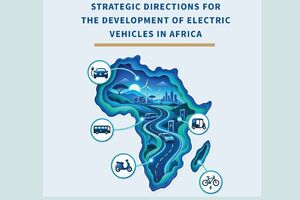
Energy security, electrification, grid infrastructure and sustainable transport take centre stage at COP31 in Antalya, Türkiye, as the climate conference devotes a full day to energy and transport. Africa enters that conversation with a plan of its own: the African Union’s (AU) Continental Framework on Electric Mobility (eMobility).