

From Wuhu to Rosslyn: how the Omoda X and C4 share a design direction
In Wuhu, China, Omoda gave the Omoda X its global debut at Omoda X Night, held as part of the 2026 Omoda & Jaecoo International User Summit.
- Industry News
- 25 October 2026
Volvo Car South Africa announced that the latest iteration of its Driving Journal application is now extended to all battery electric vehicle (BEV) models in South Africa.
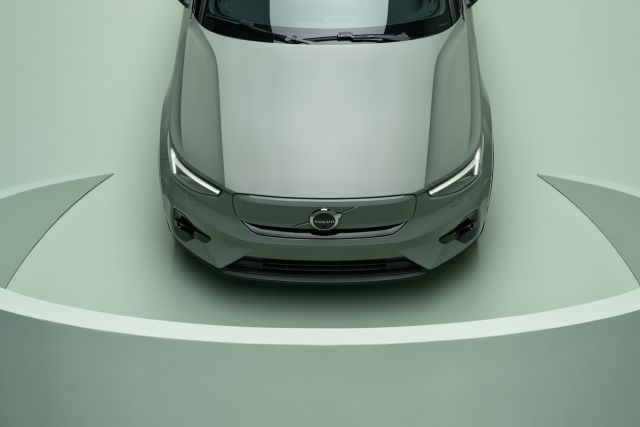
Developed by Volvo Cars, the Android app runs in the background and automatically logs all trips – allowing the user to easily apply for travel reimbursement when it comes to business trips – and is now available locally via Google Play for all Volvo models featuring built-in Google services*.
New to the Swedish luxury brand’s electric cars and housed within the Volvo Cars app, the Driving Journal automatically creates a drive log every time you set off. For each trip, the application logs the starting point, distance, trip duration, destination and even fuel consumption – or, in the case of Volvo’s latest BEVs, battery energy consumption.

At the end of every trip, all information is uploaded to the cloud – in encrypted form and over a secure connection – where it is stored for up to 400 days. Trips can be merged or deleted as well as categorised as either private or business. It is also possible to export the journal directly to a computer or similar smart device, which is especially useful for drivers who need to create business expense reports.
Greg Maruszewski, Managing Director at Volvo Car South Africa, says the local roll-out of the innovative application is just another way the Swedish luxury brand is seeking to make the lives of its customers – including those who own electric vehicles – easier.
“With the release of this latest Driving Journal in-car app for our market, local Volvo drivers of models with built-in Google gain fuss-free access to accurate trip data, all without having to lift a finger. It’s particularly appropriate that this application has been extended to our BEVs as we continue our transition towards electric mobility,” says Greg.
While the Driving Journal is a convenient app for both company-car drivers and those who use their private vehicles for business purposes, its automatic logging of kilometres and fuel use/energy consumption can also help customers plan future trips and even aid in maximising driving efficiency.
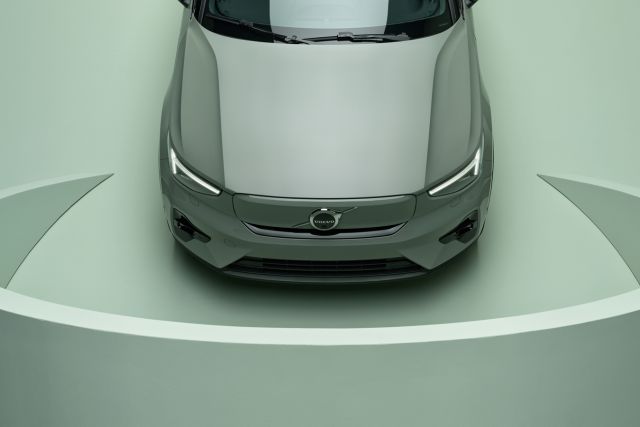
In Wuhu, China, Omoda gave the Omoda X its global debut at Omoda X Night, held as part of the 2026 Omoda & Jaecoo International User Summit.
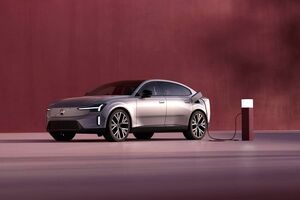
Charging time remains a worry for many South Africans considering an electric vehicle, who still see it as a disruption rather than a quick stop at a filling station. That view is starting to shift.
The winners of the 2026 Automotive Business Council | naamsa Accelerator Awards were announced at the recently held Auto Week 2026, which took place in eThekwini, KZN.
 Advertisement
Advertisement
Advertisement
You can't buy happiness but you can buy cars and that's kind of the same thing.
Unknown
Charging time remains a worry for many South Africans considering an electric vehicle, who still see it as a disruption rather than a quick stop at a filling station. That view is starting to shift.
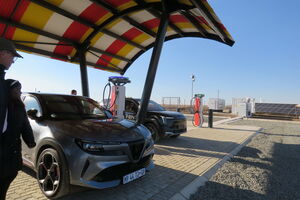
South Africa has taken important steps to position itself within the global electric vehicle (EV) industry, but industry stakeholders argue that further policy adjustments are needed if the country is to accelerate adoption and support long-term investment in clean transport infrastructure.
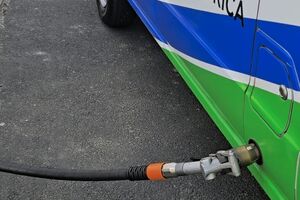
As fuel prices and operating expenses continue to challenge South African businesses, alternative energy solutions are receiving greater attention.