The American Insurance Institute for Highway Safety (IIHS) study of Subaru's DriverFocus technology found that 87% of nearly 3 500 surveyed owners use the monitoring system all or most of the time, despite initial concerns that motorists might find such surveillance intrusive.
The findings challenge assumptions about driver acceptance of monitoring technology. Seven in ten users said they would want the system in their next vehicle, while 64% believe it makes them safer drivers.
"Such a high level of acceptance for a system designed to keep drivers' attention on the road is a bit surprising and very encouraging," says IIHS President David Harkey, noting that distraction and drowsiness contribute to thousands of annual crash deaths.
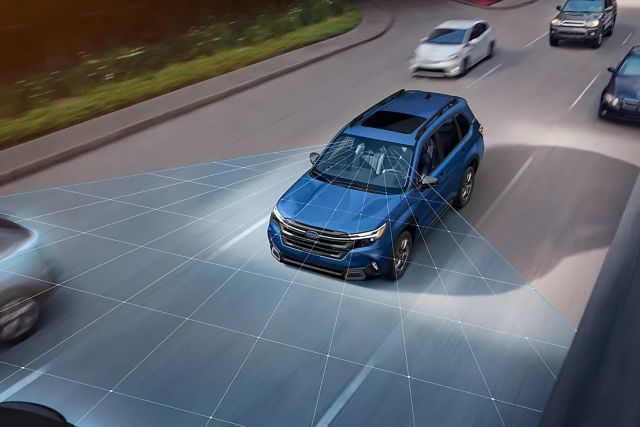
Subaru's system uses an interior camera to monitor whether drivers' eyes are open and focused on the road, issuing alerts when attention appears to drift. Unlike systems that only activate with automated driving features, DriverFocus works during normal driving—crucial since distraction and drowsiness were implicated in nearly 4 000 USA road fatalities in 2023.
The minority who disabled the system complained about frequent, annoying alerts. However, many supposed "false alarms" actually highlighted risky behaviours drivers didn't recognise as dangerous.
Numerous users reported unwanted warnings when changing lanes, typically because they looked sideways without indicating, as the system is programmed not to alert when turn signals are active. Others received warnings for glancing at navigation screens or adjusting controls.
"We do a lot of things behind the wheel almost unconsciously, without thinking that they're unsafe," explained lead researcher Aimee Cox. "But those seemingly benign actions can draw our attention away from the road and increase crash risk."
Researchers suggest refinements could further boost acceptance. Previous IIHS studies indicate haptic alerts like steering wheel vibrations annoy drivers less than audible warnings.
Future systems might use escalating responses starting with subtle vibrations and progressing to audible alerts only after repeated distractions or clear danger signs.
The study revealed distraction alerts far outnumber drowsiness warnings, with nearly all users receiving distraction alerts in the preceding month compared to about a third who got drowsiness warnings.
Many drivers disputed drowsiness alerts, claiming they weren't tired. However, 12% admitted receiving warnings when genuinely about to fall asleep validating the technology's importance given that crash risk while visibly drowsy exceeds that from many distracting activities.
The research suggests manufacturers may face less resistance than expected when introducing attention-monitoring systems. As distraction and drowsiness remain significant crash factors, widespread adoption of this technology could prevent thousands of accidents.
The study's positive findings may encourage other manufacturers to develop similar systems, potentially making driver monitoring as commonplace as seatbelts or airbags in future vehicles.