

New Mitsubishi Pajero is ready to reclaim its flagship status
The Mitsubishi Pajero is preparing for a new chapter, with an all-new generation set to return as the brand's flagship SUV.
- Product News
- 22 November 2026
DFSK SA, a division of WilGin Holdings, is reaffirming its commitment to reliable and affordable mobility through advanced LPG (Liquefied Petroleum Gas) technology engineered specifically for long-term engine durability.
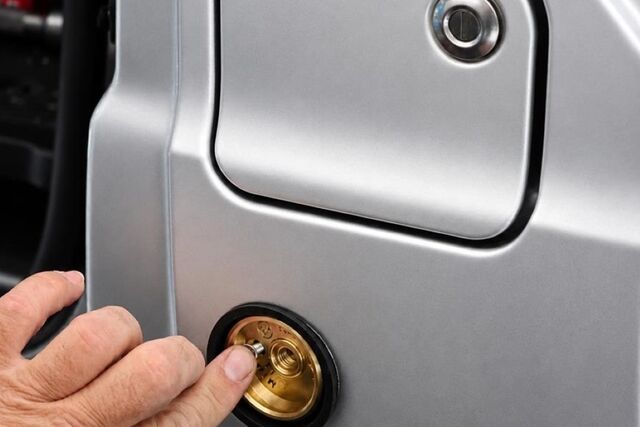
As fuel costs continue to rise, LPG has become an increasingly attractive alternative fuel due to its lower operating costs, cleaner combustion, and reduced emissions.
However, concerns regarding engine longevity and higher combustion temperatures have often been associated with conventional LPG conversion systems, DFSK SA says.
Unlike many basic LPG systems that operate exclusively on gas, DFSK SA vehicles utilise a dedicated LPG Electronic Control Unit (ECU) that continuously monitors engine speed. Once predetermined RPM thresholds are reached, the system automatically introduces petrol injection alongside LPG operation.
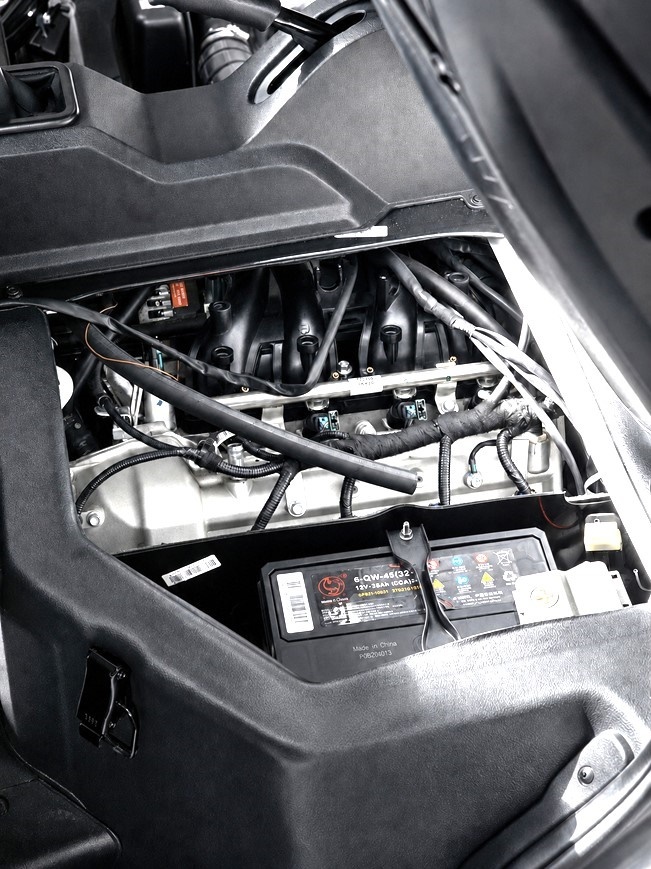
This dual-fuel strategy provides several important advantages:
"LPG technology offers substantial savings for motorists and fleet operators, but the quality of the engineering behind the system is what ultimately determines reliability," says Gina Giani, CEO of WilGin Holdings.
"Our approach has always been to combine the economic benefits of LPG with practical engine protection measures. By strategically introducing petrol at higher RPM ranges, we help manage combustion temperatures and support long-term engine durability without compromising fuel-saving benefits," she says.
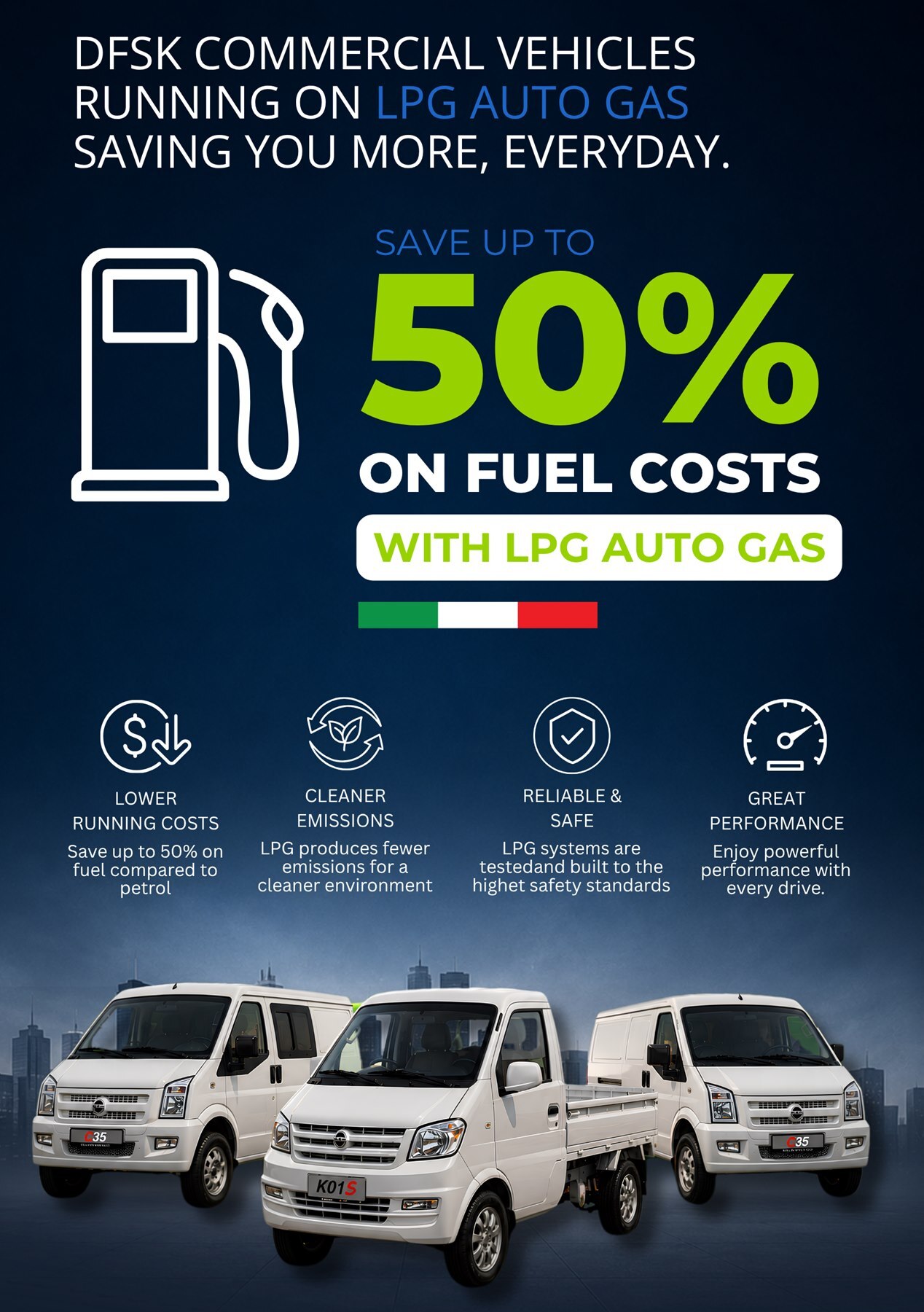
The result is a fuel system that delivers lower running costs while maintaining the reliability expected from a modern commercial vehicle platform. In addition LPG combustion produces fewer deposits than conventional petrol operation, contributing to cleaner engine operation and reduced environmental impact.
Through ongoing investment in technology and product development, DFSK SA says it continues to demonstrate that alternative fuel solutions can deliver both meaningful operating savings and dependable long-term performance.
The Mitsubishi Pajero is preparing for a new chapter, with an all-new generation set to return as the brand's flagship SUV.
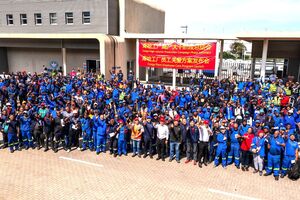
Behind every vehicle that rolls off a production line is a workforce whose skill, commitment and determination make it possible.

For many South Africans, the idea of owning an electric vehicle (EV) is appealing, but questions about charging, electricity costs, range and the practicalities of everyday use can make the decision difficult.
 Advertisement
You can't buy happiness but you can buy cars and that's kind of the same thing.
Unknown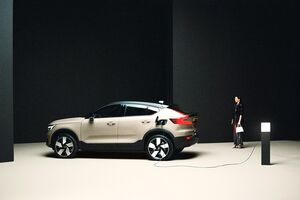
South Africa’s petrol price remains a concern for motorists, with inland 95-octane petrol staying above R30 a litre after the Department of Mineral and Petroleum Resources’ November adjustment.
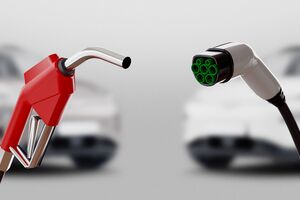
One of the main results of the 2026 Global EV Driver Survey, released by the Global EV Alliance (GEVA) this week, show that South African battery electric vehicle (EV) drivers are among the most satisfied in the world.
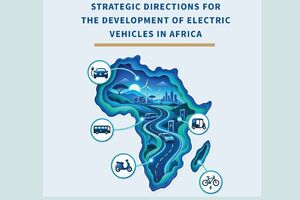
Energy security, electrification, grid infrastructure and sustainable transport take centre stage at COP31 in Antalya, Türkiye, as the climate conference devotes a full day to energy and transport. Africa enters that conversation with a plan of its own: the African Union’s (AU) Continental Framework on Electric Mobility (eMobility).