Chery South Africa outlines next phase of NEV strategy
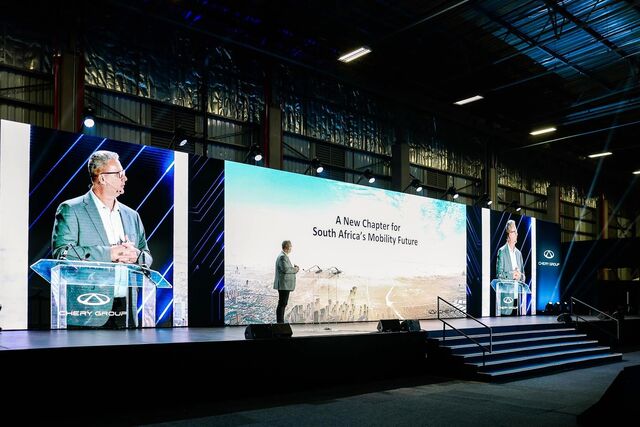
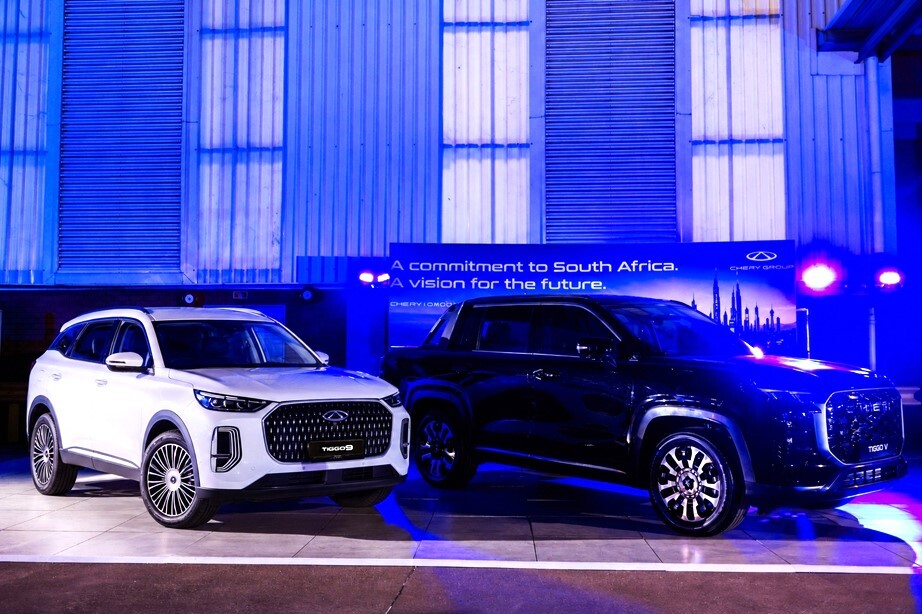
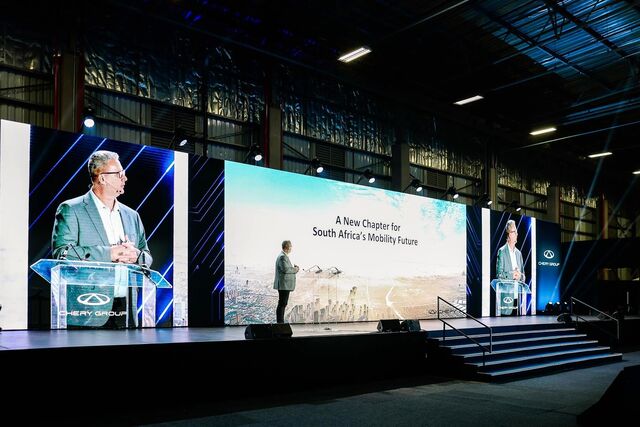
Chery has presented the next stage of its new energy vehicle (NEV) strategy, previewing three forthcoming models at its New Energy Vehicle Night, held at its new acquired Rosslyn Plant in Pretoria recently.
Share with friends
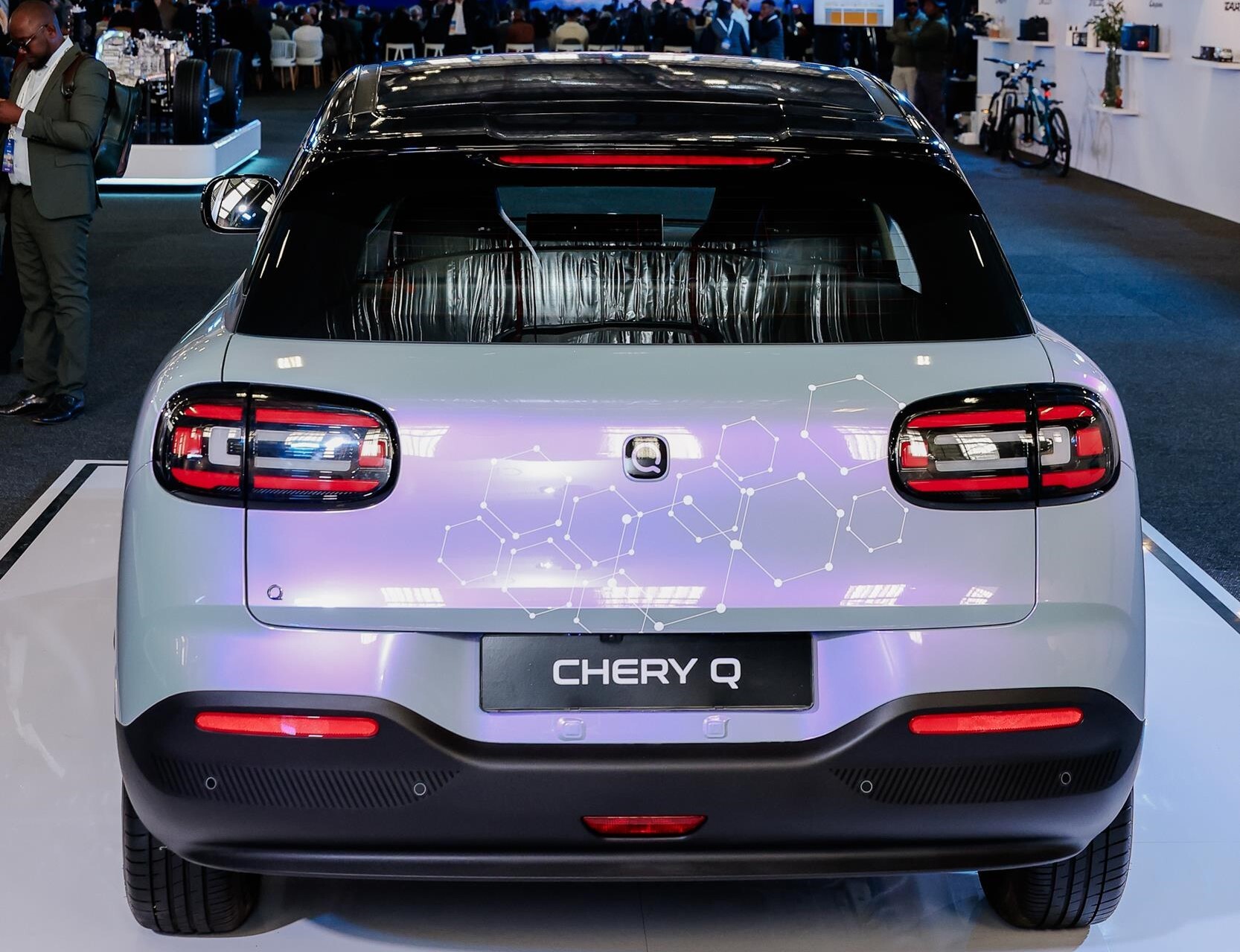
The event introduced the Chery Q, Tiggo V and KP31, reflecting the company’s intention to provide electrified mobility options suited to varied South African requirements, including urban commuting, family transport, leisure activities and work applications.
Alongside the model previews, Chery South Africa shared details of its broader NEV roadmap, covering product planning, technology development and localisation. The company confirmed that all 692 current employees will be retained, with the investment supporting nearly 3 000 direct and indirect jobs across the supply chain.
Speakers included Peter Matkin (Executive Director – Engineering at Chery), Zenga Wu (Country Director of Chery South Africa) and Jay Jay Botes (General Manager of Chery and Lepas South Africa). Their presentations outlined Chery’s global NEV direction, the technologies underpinning future models, and the adaptation of international products for South African roads and conditions.
Chery Q:
The Chery Q is a fully electric model designed for city use. Compact in size, it offers practical storage, with boot capacity expandable from 375 litres to 1 450 litres, supported by a 70-litre front trunk and additional compartments. The model has received a Red Dot Design Award and is equipped with driver assistance and automatic parking systems.
A pre-order package was announced, including a seven-year/150 000 km warranty, a home charging wallbox and portable charging equipment. Customers may choose between a charging card or a vehicle price deduction, while an electric tailgate upgrade will be provided at no cost.
Tiggo V:
The Tiggo V is a larger family SUV with a three-row, seven-seat cabin and a 2 800 mm wheelbase. Its flexible seating and cargo arrangements are intended for everyday family use and longer journeys. The body structure comprises 76 per cent high-strength steel and aluminium, with driver assistance systems such as Forward Collision Warning and Autonomous Emergency Braking.
Power is supplied by Chery’s sixth-generation CSH hybrid system. The vehicle has 220 mm ground clearance, a 30-degree climbing angle and run-flat tyres, giving it capability for varied road conditions. The cabin includes independent air conditioning for all three rows and an N95-grade filter. Factory-fit accessories such as an in-vehicle refrigerator and roof tent will be available.
KP31:
The KP31 is a diesel-hybrid pickup developed on a dedicated hybrid platform. It is designed for work and off-grid use, with Vehicle-to-Load external power supply functionality enabling it to power camping equipment, tools and other devices.
Local strategy:
For Chery South Africa, the preview of these three models marks a step in its NEV planning and demonstrates its focus on understanding local driving conditions and customer expectations.
This approach extends to aftersales support through Chery Family Care. From 2026, the Trans-national Warranty Programme will allow customers to access warranty services in markets where Chery operates, including across Africa, subject to the original agreement.
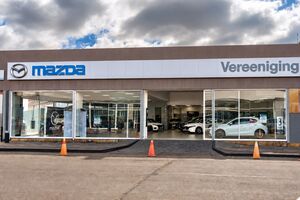
Few can claim a bond with Mazda as deep as the Plitt family's. For more than 60 years, Mazda has been part of the family's story through Mazda Vereeniging, the oldest Mazda dealership in South Africa and a longstanding standalone representative of the brand.
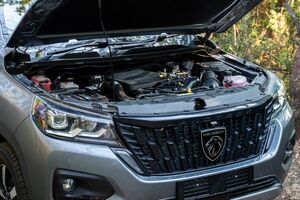
Peugeot has expanded its Landtrek line-up with the addition of a new turbodiesel-powered model aimed at buyers looking for increased performance, greater towing capability and updated technology. The latest derivatives join the range from October 2026 and introduce a significant powertrain upgrade for the bakkie.
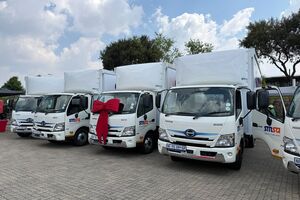
SMSA Africa Logistics Group has added five Hino 300 diesel electric hybrid trucks with van bodies to its fleet, following a two-year trial of three such trucks in its delivery operation.
South Africa's new energy vehicle market is becoming increasingly diverse, with plug in hybrid electric vehicles (PHEVs) and fully electric vehicles gaining ground while traditional hybrids remain the largest category.
As South Africans celebrate their rich heritage, it is also worth reflecting on a lesser-known chapter of the country's history: its long connection with electric vehicles (EVs).