

Springboks score tries in Nissan Navara Pro4X
Two leading Springbok rugby players, Aphelele Fassi and Jordan Hendrikse, have taken delivery of their new Nissan Navara Pro4X bakkies in Durban.
- Industry News
- 12 May 2026
The Development Bank of Southern Africa (DBSA) and Zero Carbon Charge (CHARGE) have signed definitive agreements.
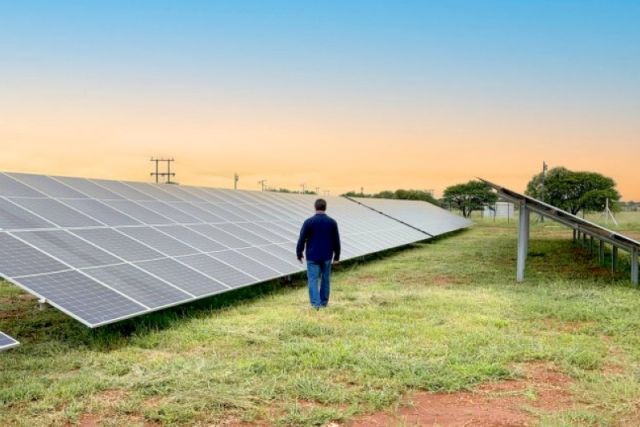
This follows the DBSA’s initial approval of the investment on 29 April 2025, which was subject to final agreements and the satisfaction of conditions precedent. Over recent months, the DBSA concluded its due diligence to ensure that the project is fully prepared and ready for immediate implementation.
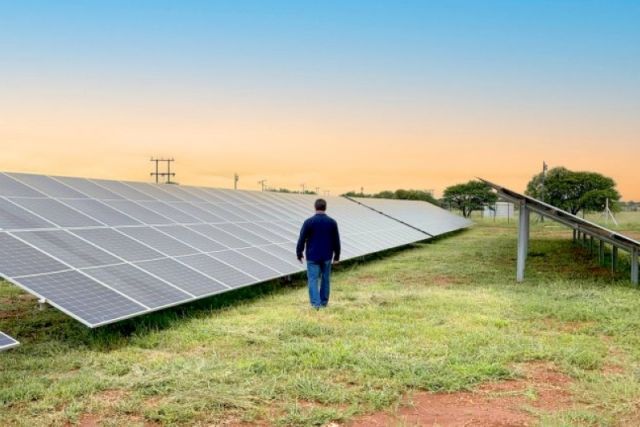
CHARGE is South Africa’s first and only company building a nationwide network of entirely off-grid, solar-powered, ultra-fast electric vehicle (EV) charging stations. Each site is designed to provide reliable renewable energy, enhance consumer confidence in electric mobility and generate inclusive economic opportunities for rural landowners and local communities.
With the DBSA approval and investment now actioned, CHARGE will begin construction of its next sites along the N3 corridor, linking Johannesburg and Durban. This will be followed by the N1 corridor linking Johannesburg and Cape Town, laying the foundation for a new era of renewable powered transport infrastructure in South Africa.

“At the DBSA, we are committed to backing catalytic projects that stimulate both economic growth and societal benefit,” says Spiwe Sibanda from the DBSA. “CHARGE’s off-grid charging model is a future-proof solution that supports the expansion of South Africa’s electric vehicle market while strengthening consumer trust in green energy and mobility.
The process of finalising financial closure was supported by Absa’s Corporate and Investment Banking Division (Absa CIB), which played a critical role in advising CHARGE through the two-year journey towards bankability and investment readiness.
Commenting on the conclusion of the agreement, the Head of Advisory at Absa CIB says: “Absa believes in the future of sustainability, and CHARGE embodies this vision. Its model aligns with our values and South Africa’s long-term economic prospects, which is why we are proud to have supported this landmark transaction.”
Reflecting on the milestone, Joubert Roux, Co-Founder of CHARGE, added: “We are grateful to both the DBSA and Absa for their unwavering support in helping us reach this milestone. Our first station was built as a self-funded proof of concept to showcase our dream to all, and today, this investment validates our business model as the future of South Africa’s green transport infrastructure.”
Two leading Springbok rugby players, Aphelele Fassi and Jordan Hendrikse, have taken delivery of their new Nissan Navara Pro4X bakkies in Durban.
Dealership service departments know the pattern: the moment warranties and service plans expire; a portion of owners quietly migrate to the independent aftermarket.

Mercedes-Benz Vans South Africa announced its top-performing Agents and Dealers for 2025, recognising their exceptional dedication, customer service and commitment to the brand.
 Advertisement
 Advertisement
You can't buy happiness but you can buy cars and that's kind of the same thing.
Unknown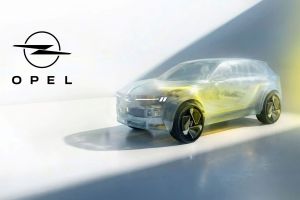
Opel has unveiled a key project under development in its model strategy: a completely new, all-electric SUV in the important and highly competitive C-segment that would extend the current line-up.
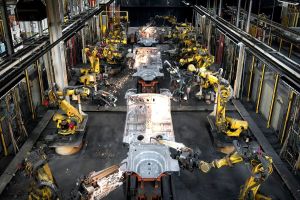
Nissan’s decision to drop a planned $500 million investment in electric vehicle (EV) production at its Canton, Mississippi plant is the latest indication that established manufacturers are reassessing how quickly the market will shift to battery power.
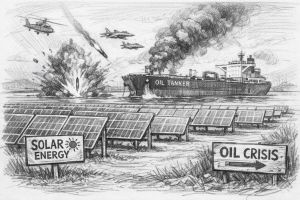
Zero Carbon Charge (CHARGE) welcomes the government’s extension of short term fuel levy relief measures aimed at cushioning consumers from rising fuel prices, but cautions that these interventions do not address the underlying structural challenge facing South Africa’s transport economy.