
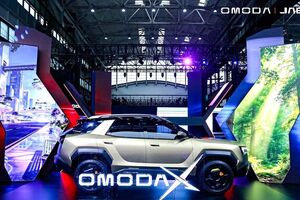
From Wuhu to Rosslyn: how the Omoda X and C4 share a design direction
In Wuhu, China, Omoda gave the Omoda X its global debut at Omoda X Night, held as part of the 2026 Omoda & Jaecoo International User Summit.
- Industry News
- 25 October 2026
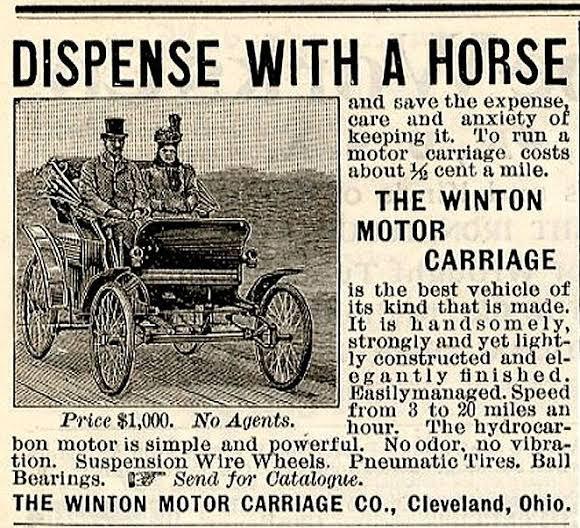
When the first motorised vehicle, the Benz Patent-Motorwagen arrived in 1885, people in general did not take it too seriously. It was not considered as an alternative to the trusted horse, horse cart or family-size horse carriage.
After all range anxiety, where to fill up and the price were just too much for many people… It would never take off.
Does that sound familiar when you enter into a discussion about electric vehicles today? Well, as they say, the rest is history. Not even 140 years later, and here we are yet again. The same arguments about range anxiety, costs and a number of other non-issues seem to have risen from the grave of the horse carriage.
The revolution rather than evolution of the modern motor vehicle is in many respects mind boggling. Just ask your granddad about how cars were in his day and the exponential development of the modern way of transport can only be described as remarkable.
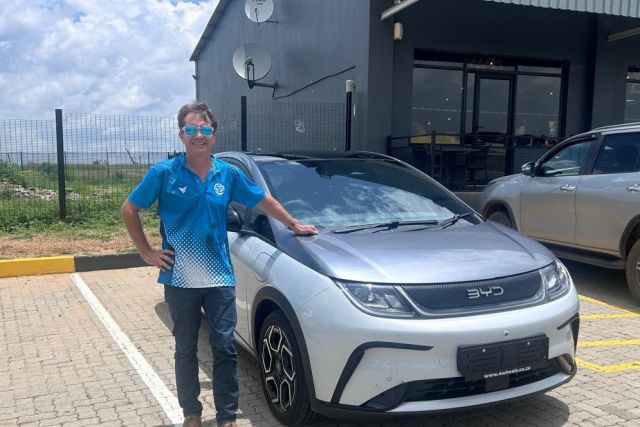
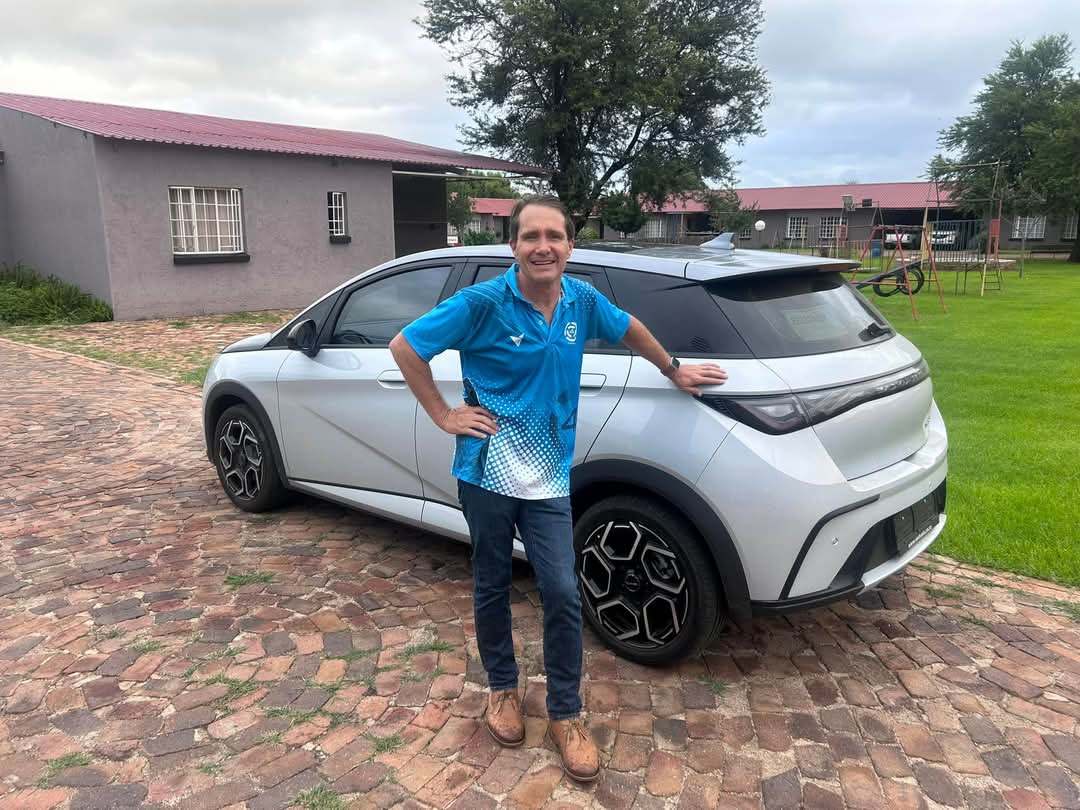
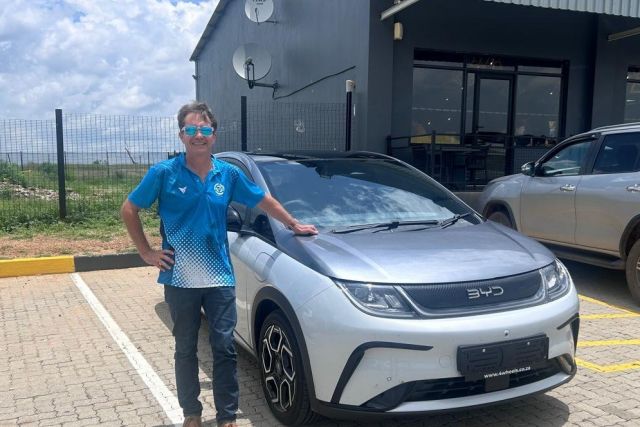
Now we are on the cusp of another revolution, this time saying goodbye to the internal combustion engine (ICE) and hello to an all-electric future, says Marius du Toit (photo), owner of several fully electric vehicles (EVs) and in his own words – ‘that is all I am driving’.
Marius is also the Managing Director of the 4Wheels Motor Group with several dealerships of different brands in its portfolio. “I have been in the car business my whole life, and I wish OEMs and people in the retail trade in general would create a bigger awareness of electric vehicles,” he tells Dealerfloor.
“We are once again at that horse/first car junction in our history. This time it is saying goodbye to the internal combustion engine and embracing full electric vehicles. It is the logical next step and driving EVs for many years had me never longing for a ‘traditional’ vehicle with a petrol or diesel engine,” Marius says.
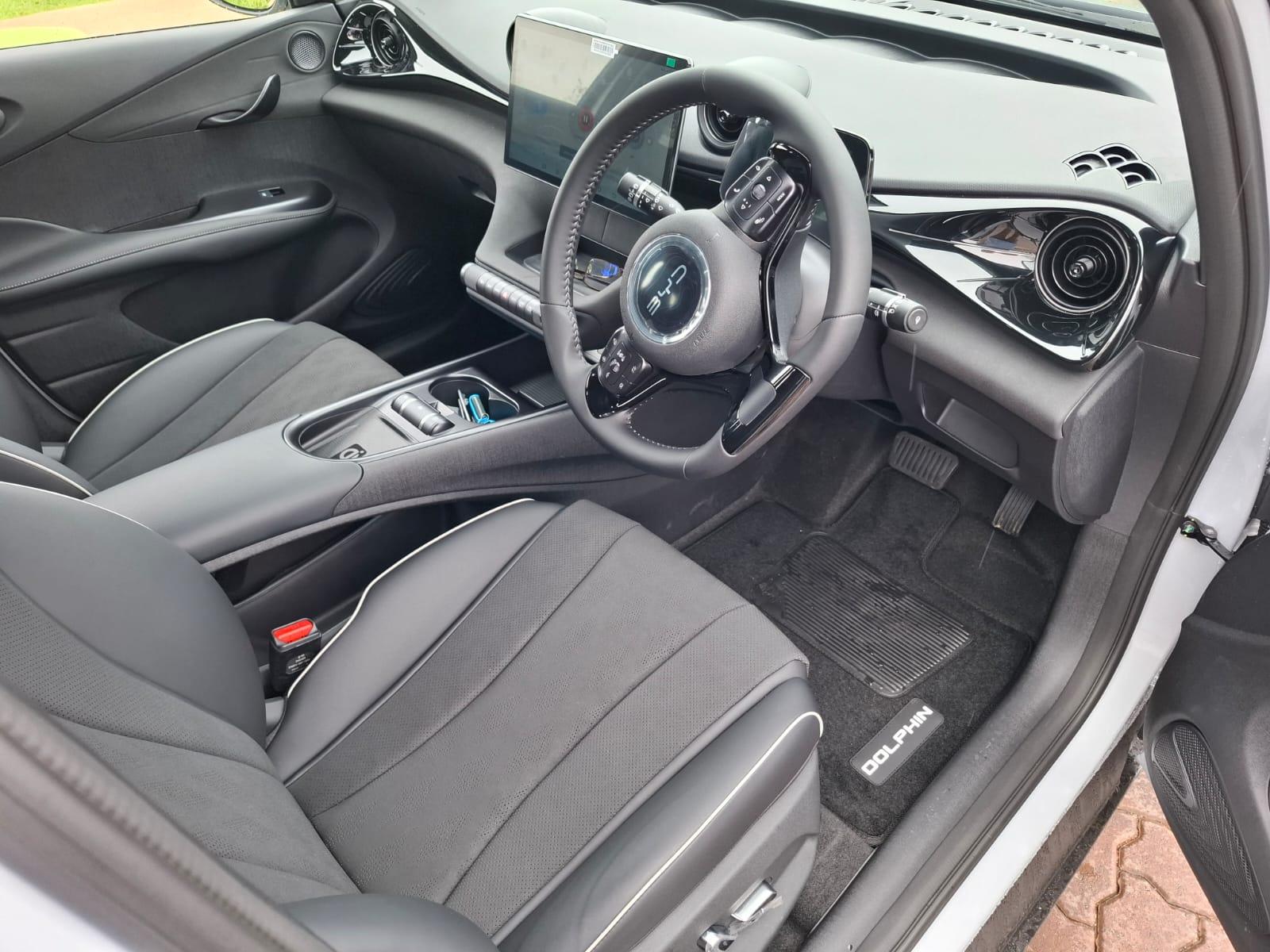
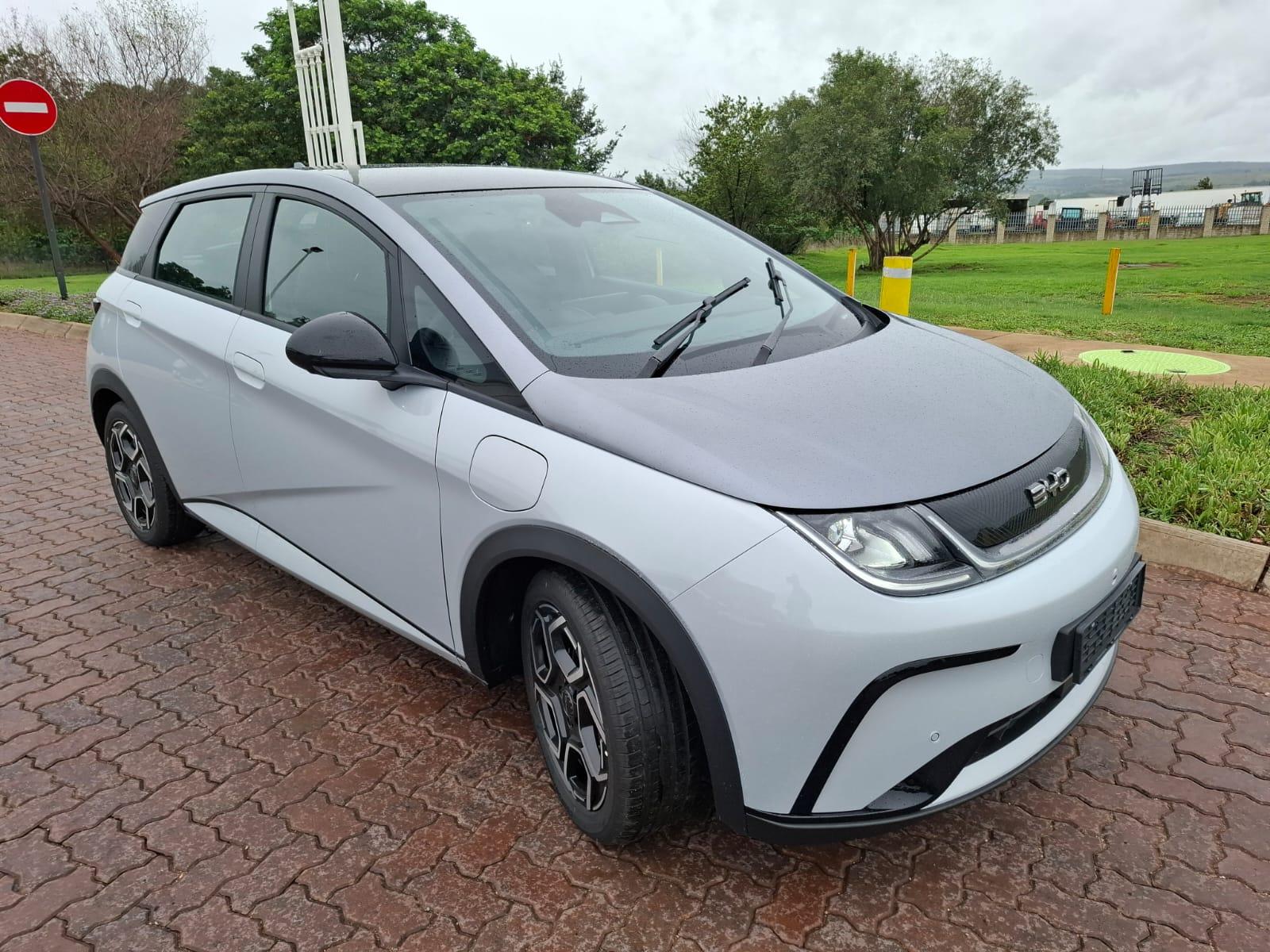
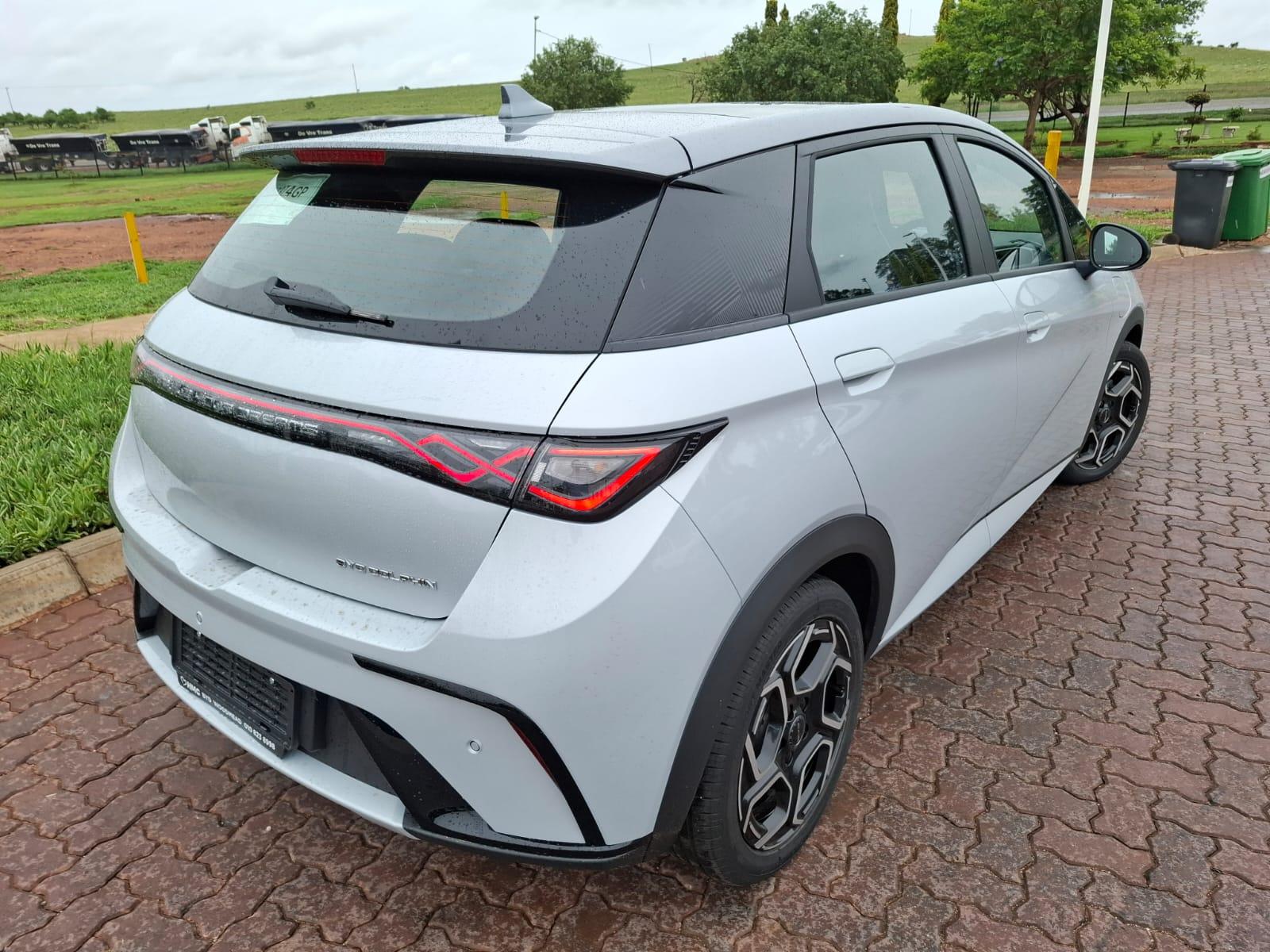
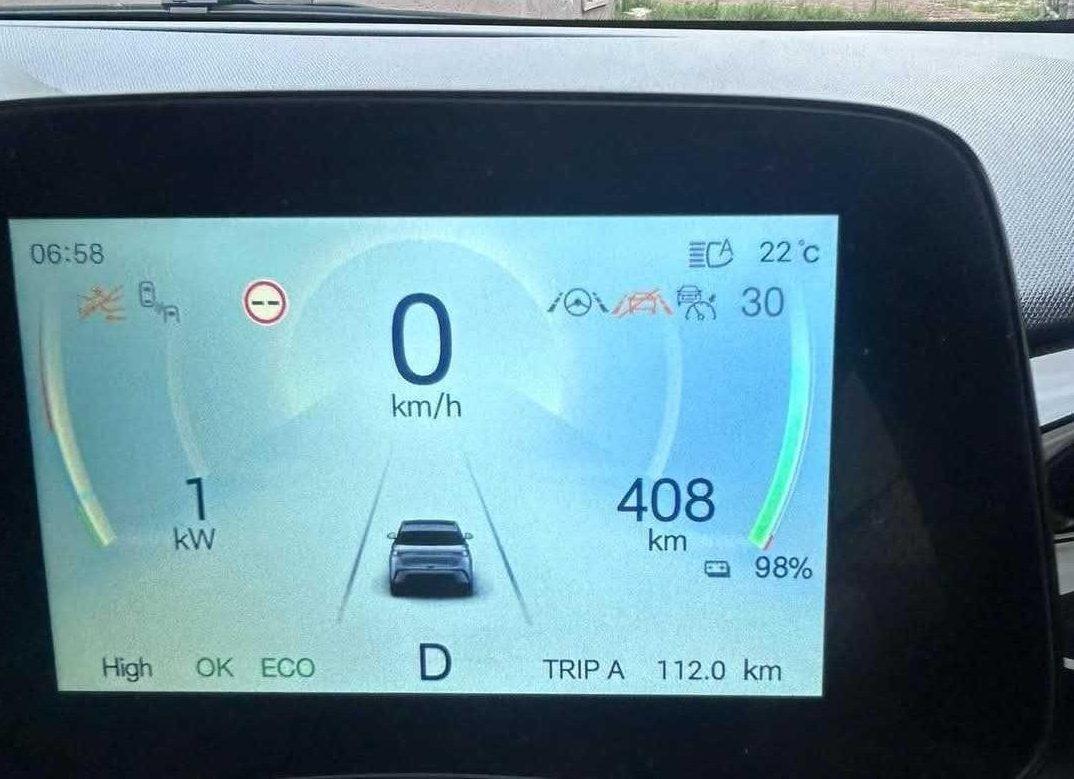
“I have made the cost calculations and yes, the government needs to come to the party with tax relieving measures for electric vehicles. At the same time, manufacturers should drive the reality of EVs as the future of transport much more forcefully in South Africa.
“With the running cost about a third of the equivalent ICE vehicle, it is a no-brainer not to talk about the performance advantage EVs present. Having your own solar system at home means you have another avenue to charge your EV and drive costs down even more,” Marius tells us.
“The arrival of off-grid charging stations, the availability of more places to charge your vehicle, faster charging stations (also at home) and the drastic pace at which battery technology is developing, all augur well for the future of EVs.”
He says the reason why China is the leader in electric vehicles and the technology is the quick realisation that developing transport is no longer following the chemical route but the mechanical one. “It is now the time for the chemical engineers to deliver as there is a fundamental change between electric vehicles and vehicles with an internal combustion engine.”
Asked about the influence of EVs on the after-sales departments of dealerships, Marius says there will be changes as EVs need fewer services and fewer parts. “It not necessarily a negative aspect affecting a dealership’s bottom line as new add-ons in terms of software updates on a wide variety of aspects for EVs are foreseen.”
The question of the battery’s lifespan is also a topic brought up regularly in conversations about EVs. “The average battery guarantee is about 8 to 10 years, and with the way battery technology is developing, the battery life will become less of an issue. How many ICE vehicles have gone 10 years with some serious engine or gearbox repairs? Exchange plans for batteries and including them in maintenance plan offerings are all possible solutions,” he tells Dealerfloor.
Is the solution not hybrids then? “Definitely not. A hybrid is not having the best of both worlds. How could it be if you still have a fully functioning ICE under the hood? Having a fully electric vehicle is the best solution and hybrids are not the answer,” Marius noted.
“The late business writer, Clay Christensen, coined the term "disruptive innovation" to describe moments like this. When a new technology comes along that completely changes the industrial structure in a sector, it's incredibly difficult for the incumbent businesses to respond and adapt. Well for us, the time is now, and electric vehicles are the future. The future is here,” Marius concludes.
In Wuhu, China, Omoda gave the Omoda X its global debut at Omoda X Night, held as part of the 2026 Omoda & Jaecoo International User Summit.
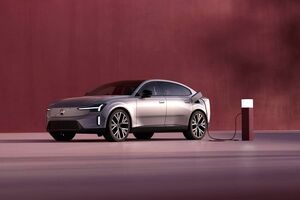
Charging time remains a worry for many South Africans considering an electric vehicle, who still see it as a disruption rather than a quick stop at a filling station. That view is starting to shift.

The winners of the 2026 Automotive Business Council | naamsa Accelerator Awards were announced at the recently held Auto Week 2026, which took place in eThekwini, KZN.
 Advertisement
 Advertisement
Cars are the ultimate symbol of freedom, independence and individualism. They offer the freedom to ‘go anywhere,’ whenever it suits and with whom one chooses.
Sarah Redshaw
Charging time remains a worry for many South Africans considering an electric vehicle, who still see it as a disruption rather than a quick stop at a filling station. That view is starting to shift.
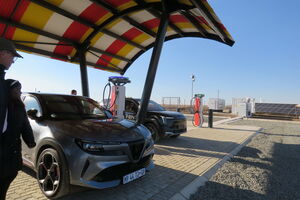
South Africa has taken important steps to position itself within the global electric vehicle (EV) industry, but industry stakeholders argue that further policy adjustments are needed if the country is to accelerate adoption and support long-term investment in clean transport infrastructure.
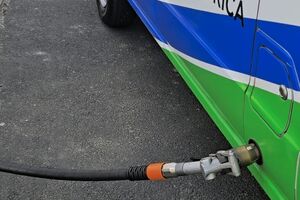
As fuel prices and operating expenses continue to challenge South African businesses, alternative energy solutions are receiving greater attention.