

Springboks score tries in Nissan Navara Pro4X
Two leading Springbok rugby players, Aphelele Fassi and Jordan Hendrikse, have taken delivery of their new Nissan Navara Pro4X bakkies in Durban.
- Industry News
- 12 May 2026
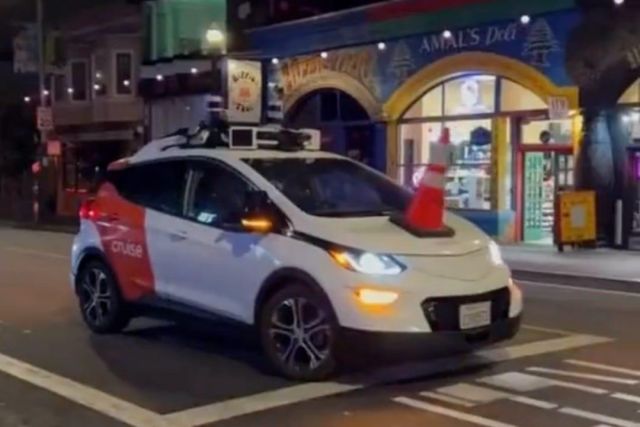
A San Franciscan transport advocacy group, Safe Street Rebel, has found a novel way to further its aims.
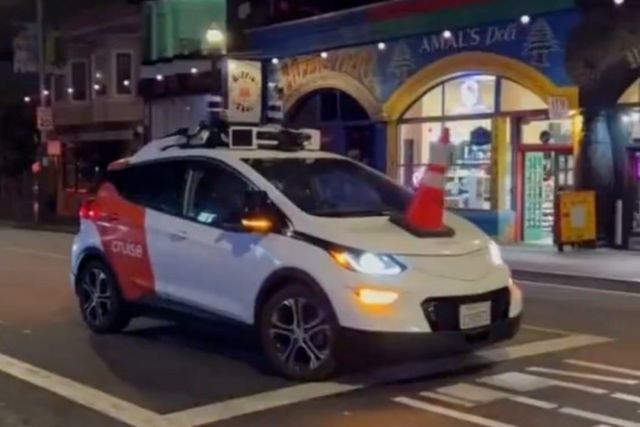
The group, which by its own account “fight for car-free spaces, transit equity and the end of car dominance”, believes “people, community and park space must be prioritised over polluting, dangerous and murderous vehicles”.
Earlier this week, as part of its “Week of Cone”-campaign, a Tik Tok video posted by the group went viral. In the video, the group encourages its followers, who are opposed to autonomous vehicles (AVs), to start placing the city’s many orange traffic cones on their hoods to disable them.
Over and above being a protest, it is also a way to highlight an important decision by the state regulator on whether to significantly expand robo-taxi services that were due to be made on July 13. This has been delayed until August 10, and Safe Street Rebel believes the delay is a sign of the success of the campaign.

The San Francisco Standard reported that the cones immobilise the autonomous vehicles by forcing them into “shutdown mode” with their hazard lights on, “until the cone is removed, or a company technician comes to reset the car’s system”.
For a substantial amount of time, Google’s Waymo and GM’s Cruise AVs have been causing havoc on the streets of San Francisco, including incidents where the vehicles interfered with emergency response teams and the killing of a dog.
Concerned activists also feel the AVs have become a new form of ubiquitous surveillance to aid the police department.
Two leading Springbok rugby players, Aphelele Fassi and Jordan Hendrikse, have taken delivery of their new Nissan Navara Pro4X bakkies in Durban.
Dealership service departments know the pattern: the moment warranties and service plans expire; a portion of owners quietly migrate to the independent aftermarket.
Mercedes-Benz Vans South Africa announced its top-performing Agents and Dealers for 2025, recognising their exceptional dedication, customer service and commitment to the brand.
 Advertisement
 Advertisement
You can't buy happiness but you can buy cars and that's kind of the same thing.
Unknown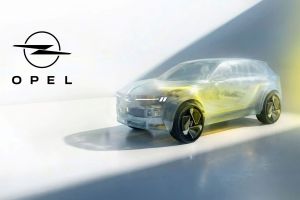
Opel has unveiled a key project under development in its model strategy: a completely new, all-electric SUV in the important and highly competitive C-segment that would extend the current line-up.
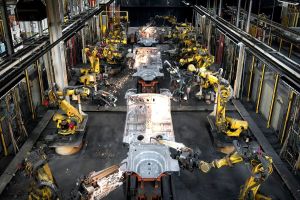
Nissan’s decision to drop a planned $500 million investment in electric vehicle (EV) production at its Canton, Mississippi plant is the latest indication that established manufacturers are reassessing how quickly the market will shift to battery power.

Zero Carbon Charge (CHARGE) welcomes the government’s extension of short term fuel levy relief measures aimed at cushioning consumers from rising fuel prices, but cautions that these interventions do not address the underlying structural challenge facing South Africa’s transport economy.