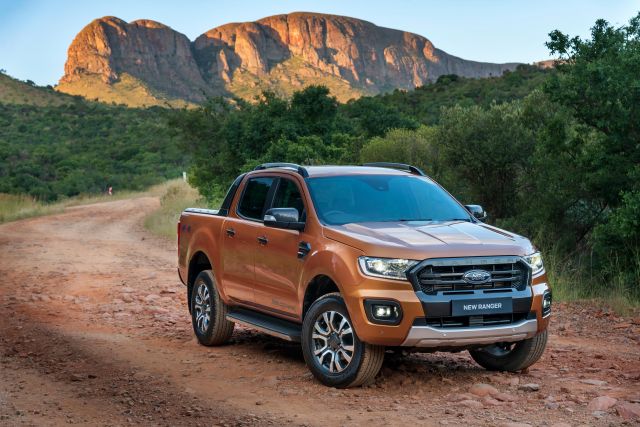
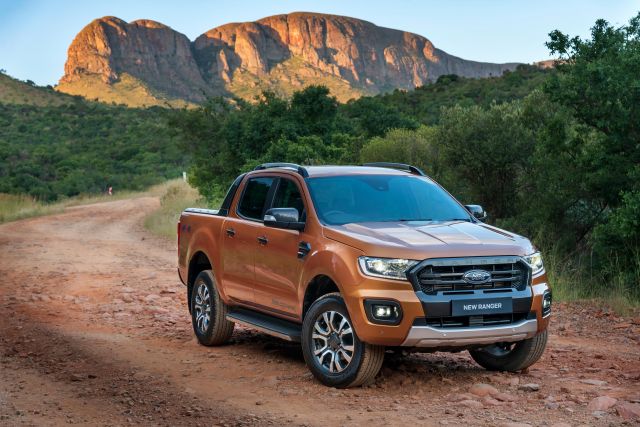
To “pimp your ride” could cost you dearly, says Ford. Not only could it bring your warranty into question, but the premature failure of components could pose a major safety risk.
Share with friends
“We are seeing a significant increase in the number of aftermarket accessories being fitted to Ford Rangers and Ford Everests recently, from grille replacements to body kits, which are a major concern for us,” says Neale Hill, MD of Ford Motor Company of Southern Africa (FMCSA). “While we appreciate the desire of enthusiastic owners to make their vehicles unique, it has major implications for the performance, reliability and safety of the vehicles.
Ford says that aftermarket accessories that have not been tested and are thus not approved as original equipment (OE) items, haven’t been exposed to the same rigorous evaluations and proven under the most extreme conditions, ranging from sub-zero tests in the coldest climates to searing desert heat. Additionally, if the fitment is not done by fully trained and accredited Ford technicians, there’s no guarantee of the quality of the workmanship.
Neale Hill, Managing Director of Ford Motor Corporation of South Africa.
These parts are also not tested to support and work with the vehicle itself, including important factors such as wind flow, cooling and vehicle stability. And in the case of mods to the engine, suspension and lights, these changes could in fact negatively affect the vehicle’s durability.
Fitting these non-approved accessories, says Ford, could therefore result in the premature failure of certain components. This could end up being a costly exercise as it may affect the vehicle’s warranty, leaving the owner to cover the repair bills. Even more concerning is the risk it potentially poses to the driver and passengers, as well as other road users.
Motorists travelling over the Easter period can expect heavy traffic across South Africa’s road network, with authorities warning that routes to Limpopo will come under particular pressure as thousands of pilgrims make their way to Moria.
Slovakia has introduced temporary measures designed to prevent diesel shortages, giving service stations new flexibility to limit how much fuel customers can buy and to adjust pump prices for vehicles registered outside the country.
Zimi and Zero Carbon Holdings (CHARGE Holdings) are proud to announce a three-year agreement to support the rollout of electric freight operations along South Africa’s N3 corridor.
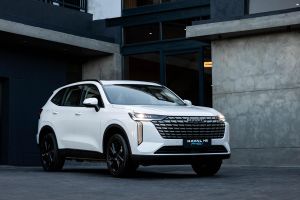
GWM has added the HAVAL H6 PHEV to its South African line-up, a plug-in hybrid SUV that combines electric commuting capability with long-distance range and all-wheel-drive performance.