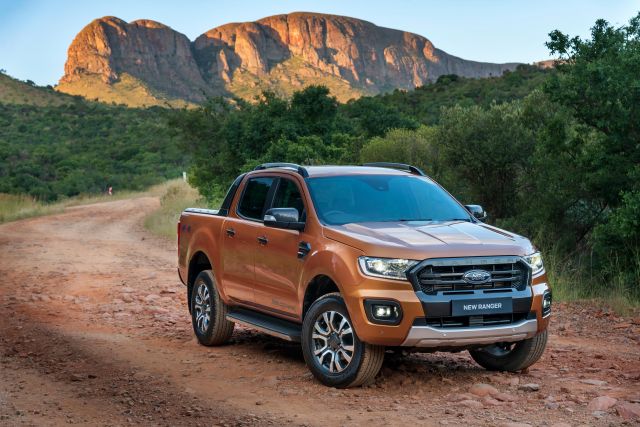
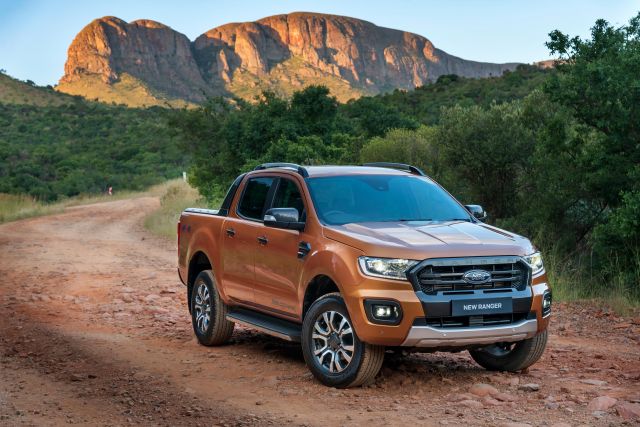
To “pimp your ride” could cost you dearly, says Ford. Not only could it bring your warranty into question, but the premature failure of components could pose a major safety risk.
Share with friends
“We are seeing a significant increase in the number of aftermarket accessories being fitted to Ford Rangers and Ford Everests recently, from grille replacements to body kits, which are a major concern for us,” says Neale Hill, MD of Ford Motor Company of Southern Africa (FMCSA). “While we appreciate the desire of enthusiastic owners to make their vehicles unique, it has major implications for the performance, reliability and safety of the vehicles.
Ford says that aftermarket accessories that have not been tested and are thus not approved as original equipment (OE) items, haven’t been exposed to the same rigorous evaluations and proven under the most extreme conditions, ranging from sub-zero tests in the coldest climates to searing desert heat. Additionally, if the fitment is not done by fully trained and accredited Ford technicians, there’s no guarantee of the quality of the workmanship.
Neale Hill, Managing Director of Ford Motor Corporation of South Africa.
These parts are also not tested to support and work with the vehicle itself, including important factors such as wind flow, cooling and vehicle stability. And in the case of mods to the engine, suspension and lights, these changes could in fact negatively affect the vehicle’s durability.
Fitting these non-approved accessories, says Ford, could therefore result in the premature failure of certain components. This could end up being a costly exercise as it may affect the vehicle’s warranty, leaving the owner to cover the repair bills. Even more concerning is the risk it potentially poses to the driver and passengers, as well as other road users.
Zero Carbon Charge (CHARGE) welcomes the government’s extension of short term fuel levy relief measures aimed at cushioning consumers from rising fuel prices, but cautions that these interventions do not address the underlying structural challenge facing South Africa’s transport economy.
Volvo Cars has started building the fully electric EX60 at its Torslanda factory outside Gothenburg, with first customer deliveries due in early summer.
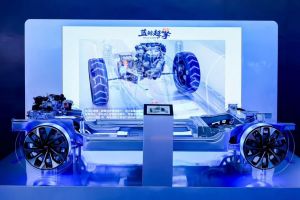
Changan has unveiled its ambitious “1+4+4+5” global strategy, signalling a determined push to become one of the world’s top ten automotive brands by 2030.
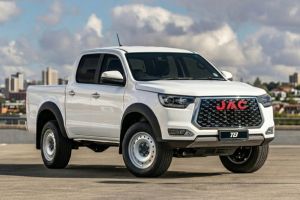
JAC Motors South Africa has introduced the T8 2.0L CTi Comfort 4x2 double cab and at R349 900 (VAT included), making it the lowest-priced double cab currently available in the country.
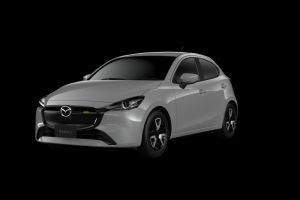
Mazda Southern Africa has refreshed its long-standing Mazda2 range for 2026, introducing styling updates, added technology and improved value for the brands entry level line-up.
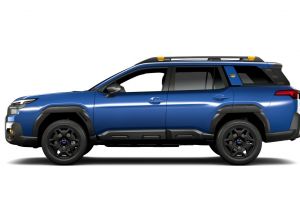
Subaru’s all-new seventh-generation Outback has already begun building strong international momentum ahead of its arrival in the local market later this year.