Some improvement in vehicle retail confidence, but worries remain
Confidence is returning to the vehicle retail market, but at a slow pace and with a marked concern about the sustainability of the current economic recovery.
Share with friends
On Monday, the Bureau for Economic Research (BER) published their retail trade survey for the third quarter of 2020. Amongst the topline findings was an improvement in the retail confidence index to 36, which is still well below average, but markedly better than the 11 recorded in the second quarter.
For reference, one could read the BER scores as a percentage, which would mean that 36% of the polled retailers were confident about their prospects for the quarter.
The BER measures several sub-segments of the retail confidence market, notably the business confidence levels among vehicle retailers. This hit a low of only 2 in Quarter 2 during the height of the lockdown and has since improved to 16. Read differently, it means that in the second quarter, 98% of vehicle dealers polled were worried and negative about the future, while in quarter three 84% of dealers shared that sentiment.
“While vehicle sales have picked up from the depths of the hard lockdown, dealers seem concerned about the sustainability of the momentum, especially given the ongoing uncertainty about the employment outlook and general consumer confidence,” says Miyelani Maluleke, Economist at Absa Corporate and Investment Banking.
Miyelani Maluleke, economist at Absa Corporate and Investment Banking
Miyelani says that the bank’s reading of the BER and other reports shows that consumers are still wary about buying big ticket items and that there is a general concern about more job losses, especially in companies which managed to carry some momentum through lockdown, but are now struggling to make ends meet in the sluggish economy.
“On the vehicle retail side, there is also a nagging concern about sales to vehicle rental companies. While we are slowly reopening our international borders, there are worries whether it will be enough to necessitate large vehicle purchases from rental companies preparing for the holiday season,” says Miyelani.
While most large fleet purchases are made directly with vehicle manufacturers, and not through dealers, these fleet purchases help to maintain production and sales levels, which in turn help to spread the vehicle manufacturers’ costs across more units and help keep price increases lower.
“We are also looking to fleet companies to help bolster the used vehicle market when they defleet large fleets of vehicles, which then become used car stock for dealers. Given their low purchases at the moment, we foresee some pressure on used vehicle stock in the next couple of quarters.”
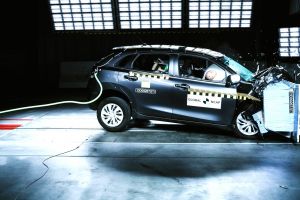
The Automobile Association of South Africa and Global NCAP have raised serious concerns following the crash test results of the previous generation Toyota Starlet, which received a zero-star rating for adult occupant protection in the latest #SaferCarsForAfrica campaign.
With the launch of what is believed to be the first South African app in ChatGPT, Naked is signalling how AI assistants could reshape financial services.
The Automobile Association of South Africa and Global NCAP have raised serious concerns following the crash test results of the previous generation Toyota Starlet, which received a zero-star rating for adult occupant protection in the latest #SaferCarsForAfrica campaign.
With the launch of what is believed to be the first South African app in ChatGPT, Naked is signalling how AI assistants could reshape financial services.
Mazda Southern Africa has promoted Kyron Pather to Head of Operations (Sales & Service). The appointment strengthens the company's operational leadership as it looks to improve performance across its dealer network and aftersales business.