
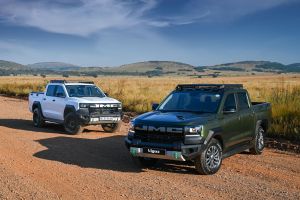
New JMC Vigus will make an impression
Following the official brand re-launch by the Salvador Caetano Group, JMC South Africa announce the arrival of the All-New JMC Vigus.
- Product News
- 17 April 2026
The procurement of vehicles by the South African government, like many other countries, should be entirely linked to local manufacturers, says Dr Martyn Davies, MD of emerging markets and Africa at Deloitte and the firm’s African automotive lead partner.
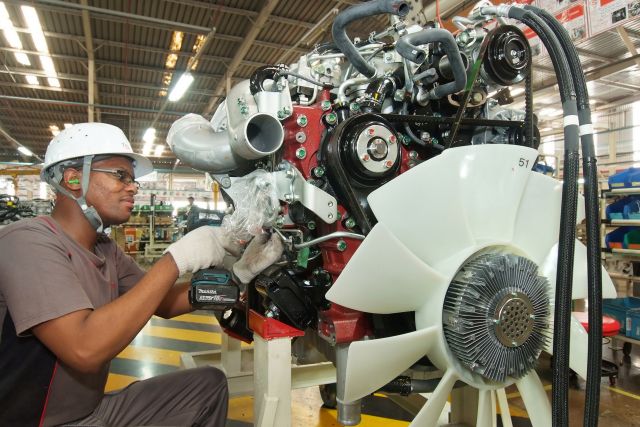
“I can’t fathom why public sector patriotic purchasing does not take place.
“It's such an obvious short-term boost to locally manufactured vehicles and OEMs and also a very positive gesture to investors from government saying we will support you,” he said during a recent National Automobile Dealers’ Association (Nada) webinar discussion.
Nada chairman,, Mark Dommisse, said government should only be able to procure locally produced vehicles and “we should lobby for that”.
Dommisse said in Germany the taxi market and government market are all supporting local production, while the same applied in Australia when it still had a local motor manufacturing industry.
“We should have more of a ‘buy local’ sort of theme within South Africa and the retail industry and that should probably be prioritised,” he said.
Davies said such a measure would talk to the South African Automotive Masterplan.
Two major objectives of the Masterplan 2021-2035 are to increase vehicle production to 1.4 million vehicles a year by 2035 and to raise local content levels in South African manufactured vehicles from an average of 40% to 60% by 2035.
Procurement by government of locally produced vehicles will also be in line with the sentiments expressed by President Cyril Ramaphosa last week when he announced South Africa's Economic Reconstruction and Recovery Plan.
Ramaphosa said the social partners have agreed to prioritise a range of consumer and industrial products for local procurement, and the government, together with business and labour, will soon be publishing localisation targets for goods in areas like agro-processing, healthcare, basic consumer goods, industrial equipment, construction materials and transport rolling stock.
“We will enforce government policies to ensure that all public infrastructure projects use locally made materials, including steel products, cement, bricks and other components,” he said.
Davies said there is a dearth of foreign direct investment in South Africa and a lack of substantive industrially driven investment. He said the foreign direct investment South Africa receives should be rewarded, even at provincial level.
Davies said the automotive industry accounted for about 7.5% of South Africa’s GDP, which is sizeable, and questioned what the contribution of the industry is to the GDP of some provinces, such as KwaZulu-Natal and the Eastern Cape.
He said Toyota is a sizeable investor and employer in KwaZulu-Natal.
Mercedes-Benz, Volkswagen and Isuzu all have made significant investments in their manufacturing plants in the Eastern Cape and are also major employers in the province.
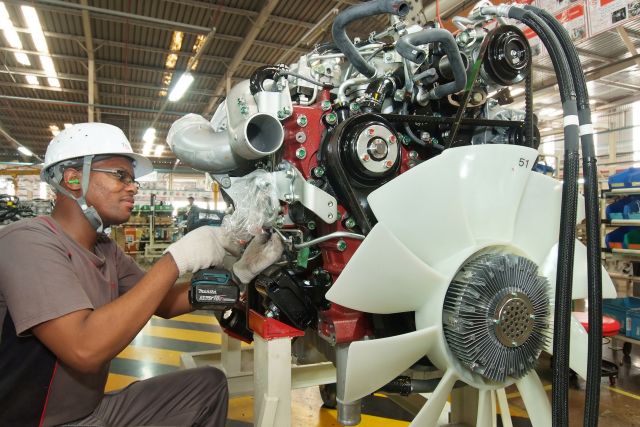
Following the official brand re-launch by the Salvador Caetano Group, JMC South Africa announce the arrival of the All-New JMC Vigus.
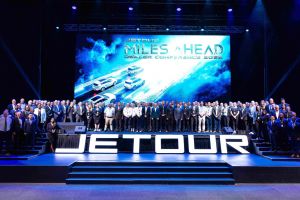
Jetour South Africa hosted its inaugural Dealer of the Year Awards on Tuesday night, bringing together its national dealer network of nearly 60 dealerships.
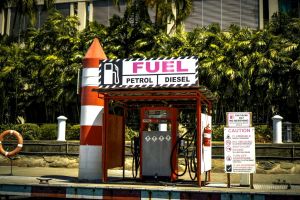
South Africa’s motorists and automotive sector are facing a fresh layer of uncertainty as the Middle East conflict continues to disrupt global oil markets, but for now the country’s fuel supply remains stable even as costs rise.
 Advertisement
Advertisement
Advertisement
You can't buy happiness but you can buy cars and that's kind of the same thing.
Unknown
South Africa’s motorists and automotive sector are facing a fresh layer of uncertainty as the Middle East conflict continues to disrupt global oil markets, but for now the country’s fuel supply remains stable even as costs rise.

Stellantis has struck a five year strategic partnership with Microsoft as it accelerates its shift towards software defined vehicles and digital services.
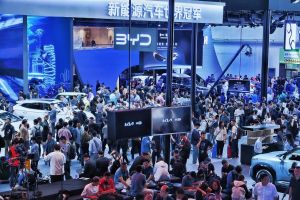
Auto China 2026 marks another milestone in the evolution of an event that has tracked China’s rise from emerging market to global automotive powerhouse.