
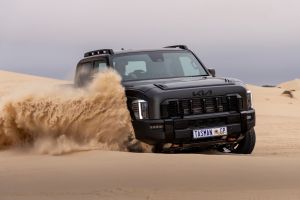
Kia’s Tasman bakkie arrives in South Africa
Kia has taken a bold step into one of South Africa’s most competitive automotive segments with the launch of the Tasman, its first-ever double cab bakkie.
- Product News
- 9 April 2026
According to several news outlets, including Reuters, American manufacturers are once again warning that forthcoming European Union (EU) safety rules could sharply limit the number of full-size US bakkies entering the European market.
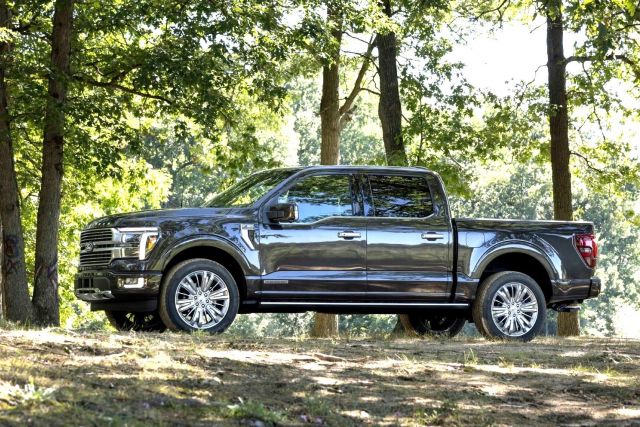
Carmakers such as Ford, General Motors and Stellantis argue that tightening the Individual Vehicle Approval system would make it far more difficult for models like the Ford F 150, Chevrolet Silverado and Ram 1500 to be imported, despite last year’s transatlantic trade agreement which sought to reduce non-tariff barriers.
At present, the Individual Vehicle Approval route allows importers to bring in a small quantity of vehicles designed for non-EU markets. Roughly 7 000 US bakkies and SUVs used this pathway in 2024, with Ram accounting for the majority. European environmental and safety advocates, including Transport and Environment, argue that increasing the presence of large American bakkies poses greater danger to pedestrians and cyclists while also compromising air quality.
EU officials maintain that the intention is not to ban American bakkies but to close safety gaps and ensure that imported vehicles comply with modern standards related to size, weight and pedestrian impact. A full review of the approval system is under way and is expected to take effect in 2027. The European Commission stresses that these vehicles were originally engineered without European requirements in mind, making updated oversight necessary.
US representatives, including ambassador Andrew Puzder, argue that the proposed rules risk undermining the spirit of the trade deal by restricting market access for American built vehicles. Industry bodies warn that the revised rules would disproportionately affect large bakkies, even though they represent only a tiny share of Europe’s market.
Despite the political friction, analysts note that Europe remains a niche destination for oversized US bakkies, meaning the wider commercial effects are likely to remain limited.
Kia has taken a bold step into one of South Africa’s most competitive automotive segments with the launch of the Tasman, its first-ever double cab bakkie.
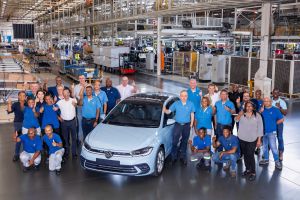
Volkswagen Group Africa (VWGA) has reached another major milestone with the production of the 500 000th unit of the current Polo for the export market.
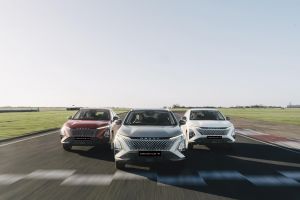
OMODA has expanded its South African lineup with the arrival of the C5 SHS hybrid, a new addition to the C5 range.
 Advertisement
 Advertisement
I have bad reflexes. I was once run over by a car being pushed by two guys
Woody Allen