

Springboks score tries in Nissan Navara Pro4X
Two leading Springbok rugby players, Aphelele Fassi and Jordan Hendrikse, have taken delivery of their new Nissan Navara Pro4X bakkies in Durban.
- Industry News
- 12 May 2026
The bakkie war has intensified with the local launch of Mitsubishi’s next-generation Triton, an evolution in the iconic bakkie’s 46-year legacy.
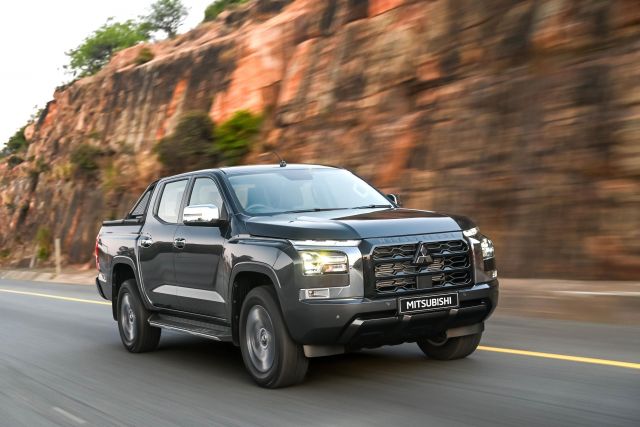
The Triton has long been a favourite among South African drivers, a reputation built on the brand’s heritage and the success of the iconic Colt.
What is it?
Now in its sixth generation, the Next-Gen Triton has been completely redesigned from the ground up. All elements, including the interior and exterior design as well as the chassis, ladder frame and engine, have been completely reimagined.
Exterior:
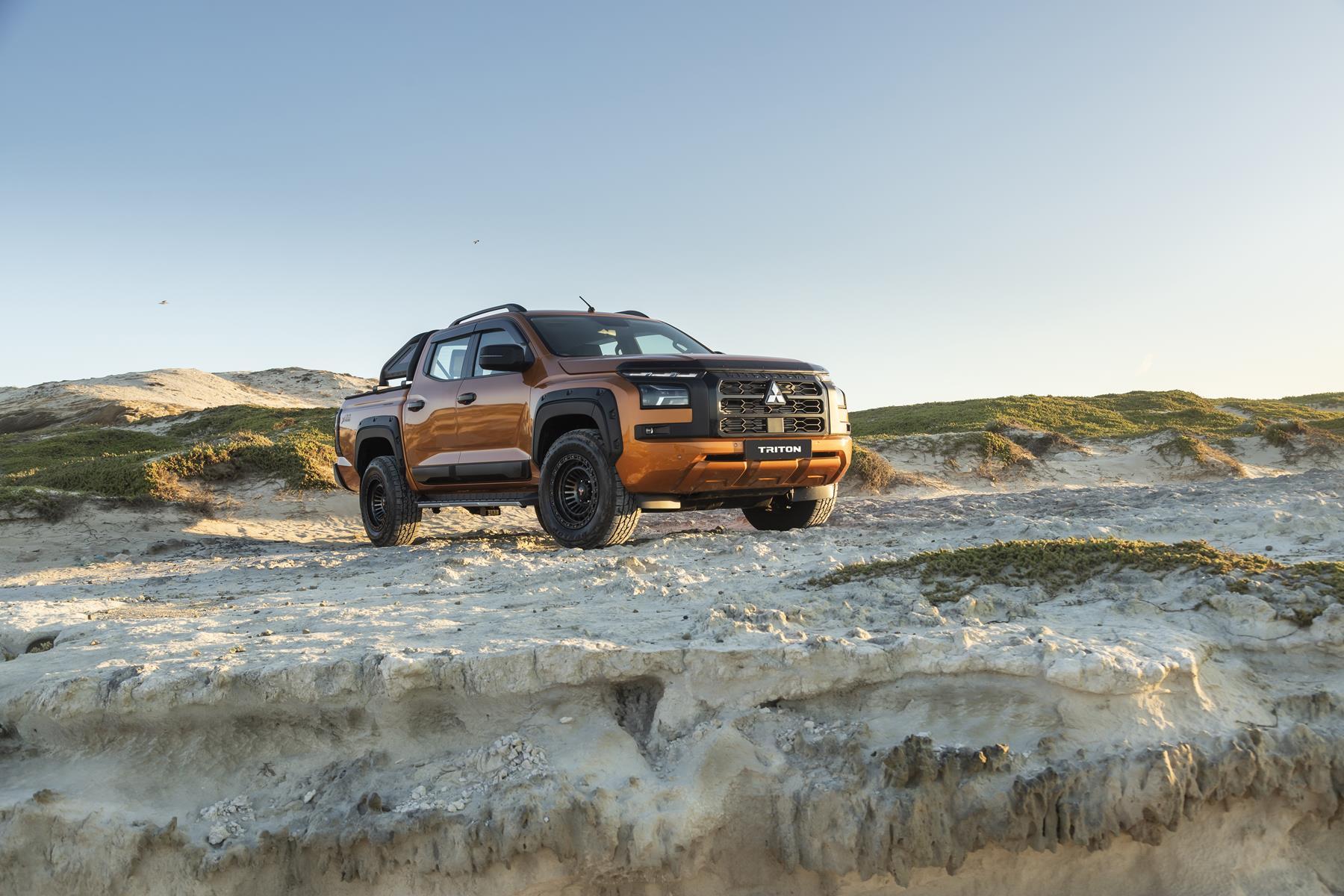
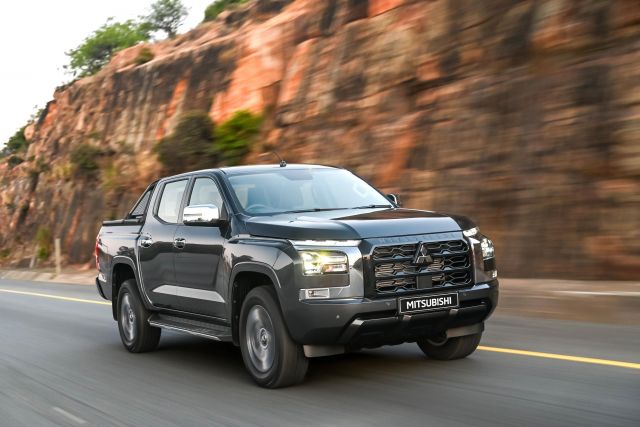
The frontal design incorporates the Dynamic Shield, which is now accentuated by a three-dimensional front grille, fenders and a bumper. The daytime running lights feature three L-shaped LED lights which, in combination with the three-dimensional three-light headlights below them, give the Next-Gen Triton a commanding presence.
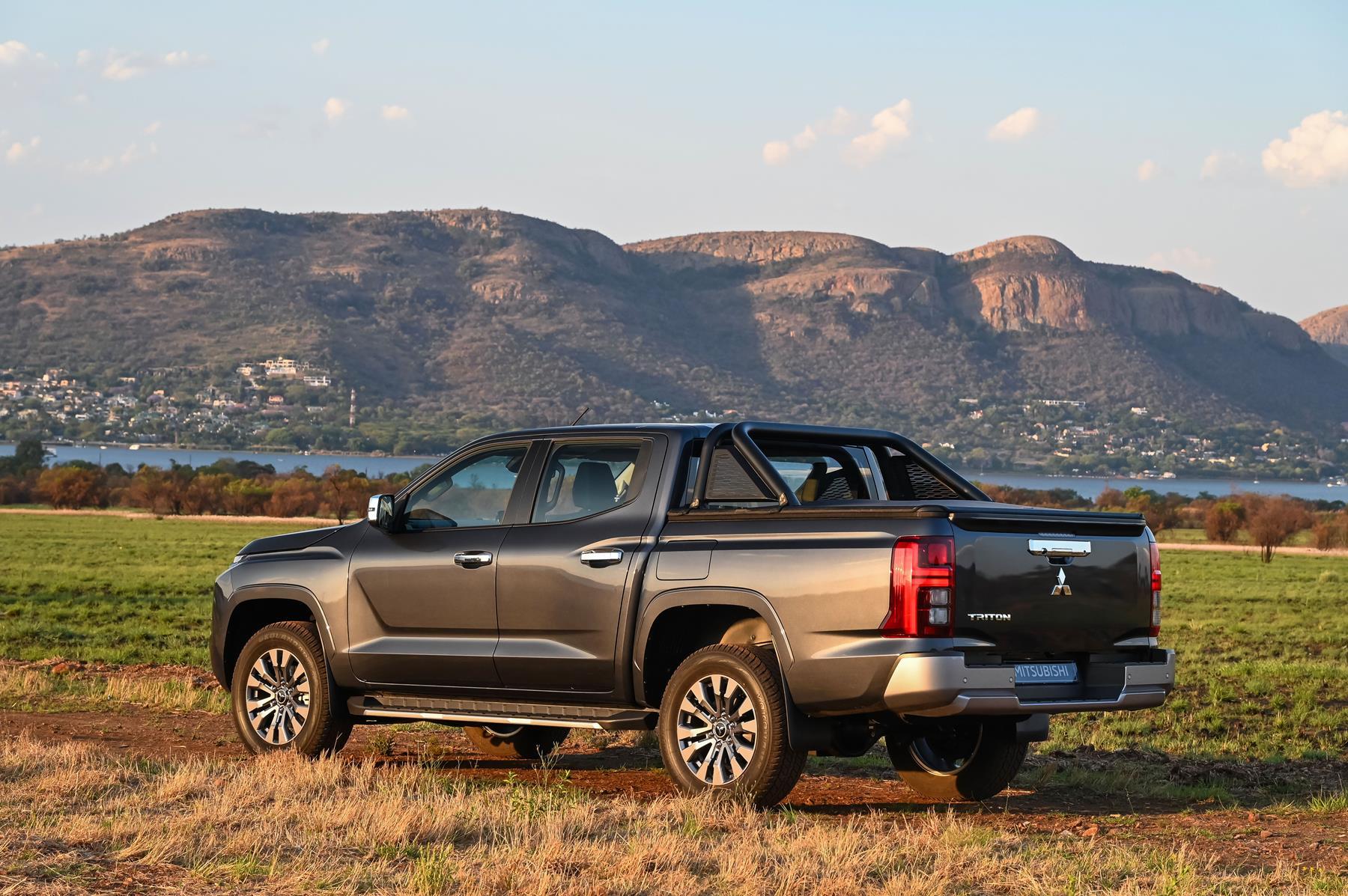
The horizontally themed body sides are composed of large, solid surfaces, which emphasise the doors, while contrasting with the sharply overhanging fender panels. The cabin shape and rear spoiler have been designed with aerodynamic efficiency in mind.
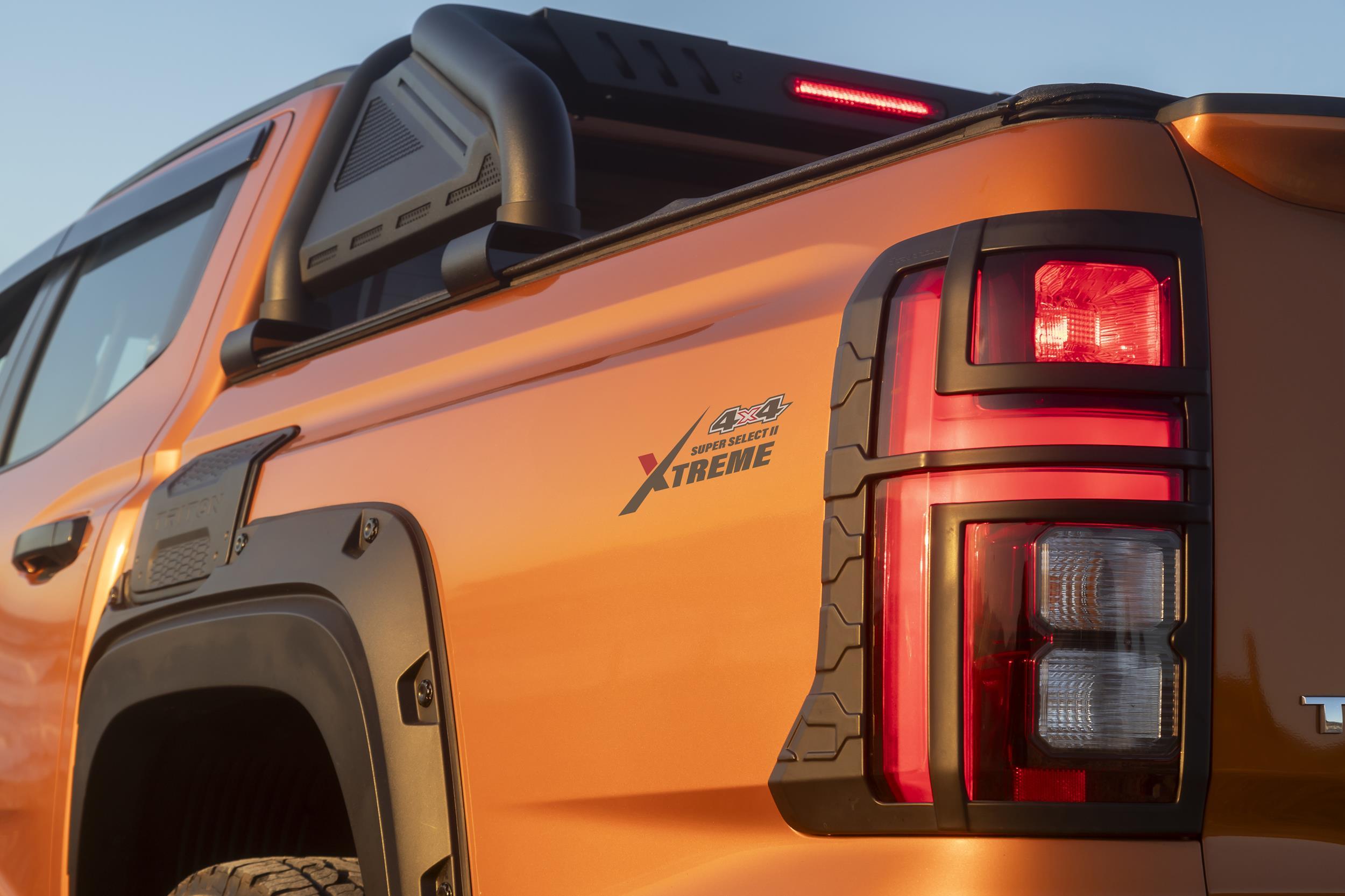
At the rear, T-shaped taillights on both sides emphasise width while also enforcing the sturdy design.
Interior:
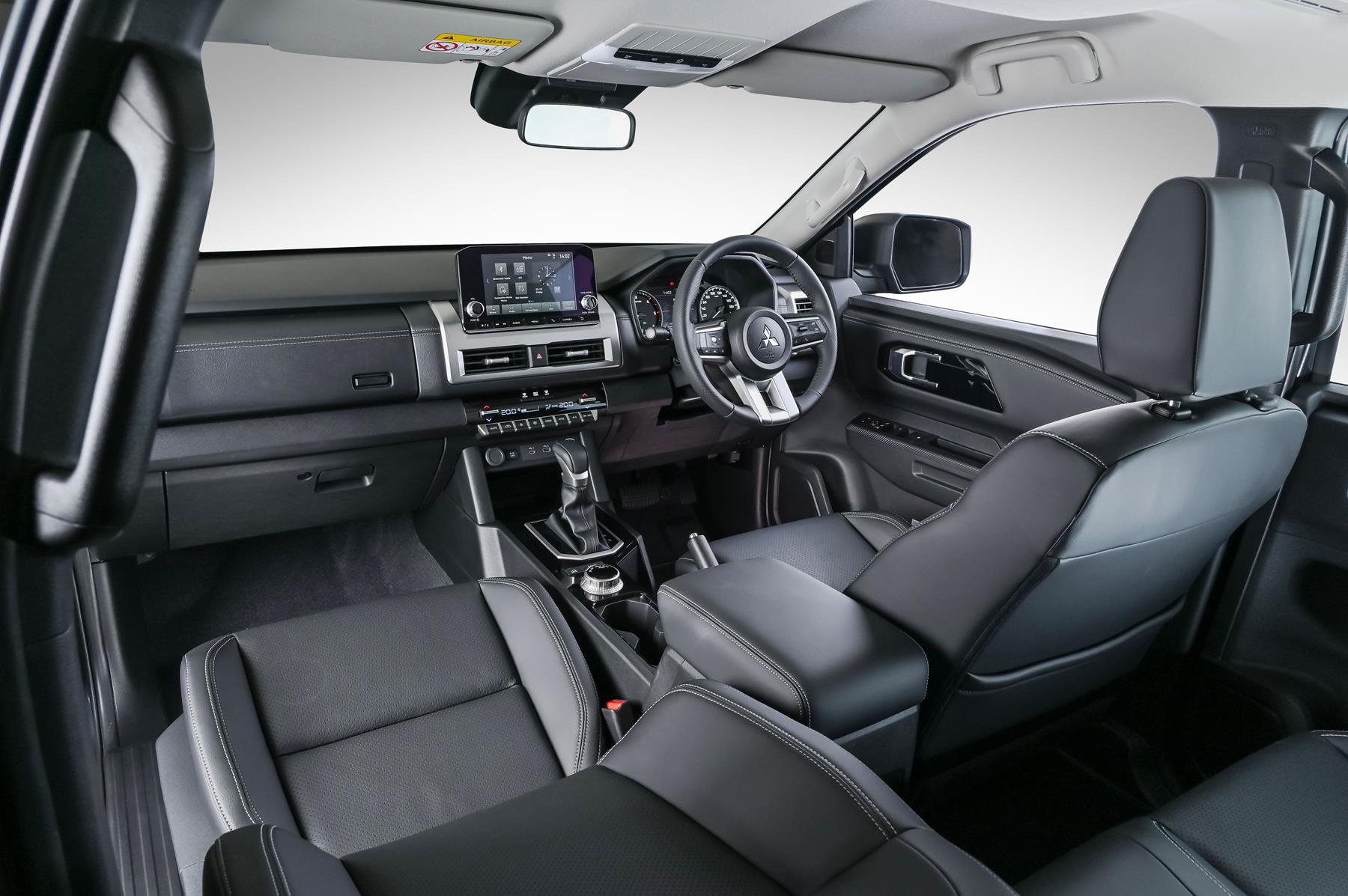
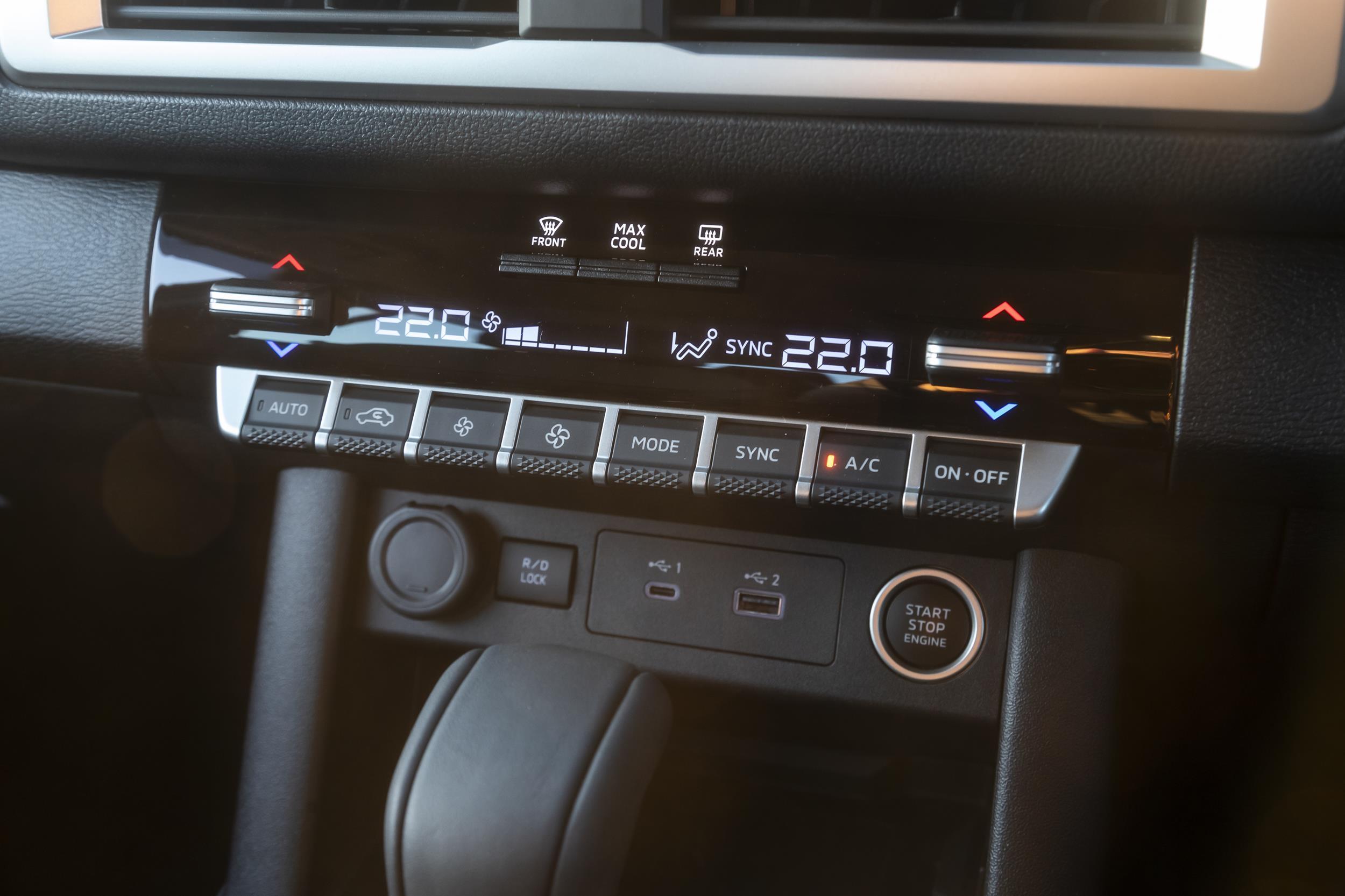
The interior features a robust, horizontally themed instrument panel that allows drivers to easily see changes in the position of the vehicle while driving.
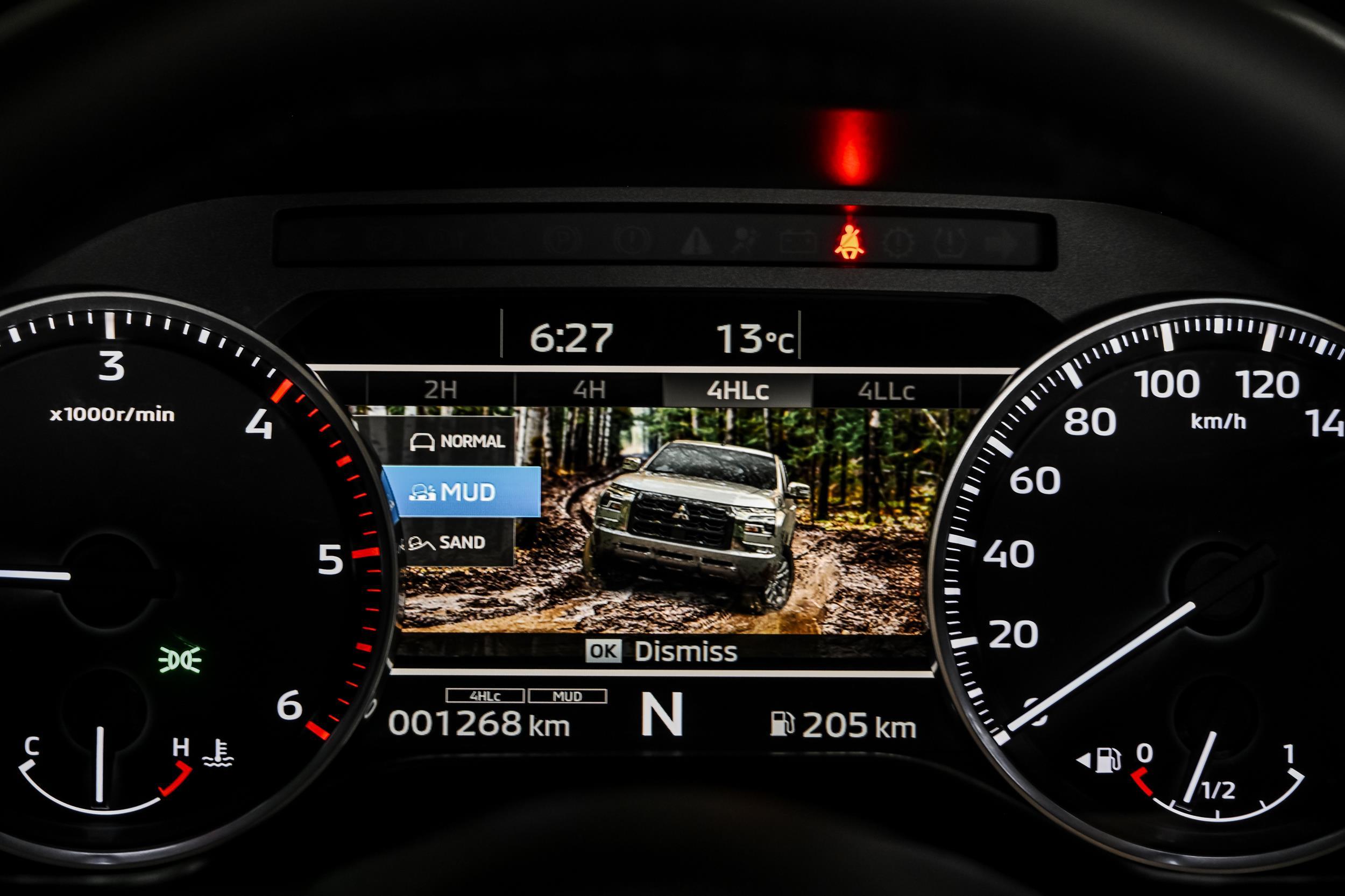
An eight-inch infotainment system is positioned at eye level for ease of use and features smartphone connectivity via Apple CarPlay or Android Auto and an easy-to-read display. Ahead of the driver is a seven-inch multi-information display that offers all the necessary information at a glance and allows drivers to easily understand the vehicle’s status.
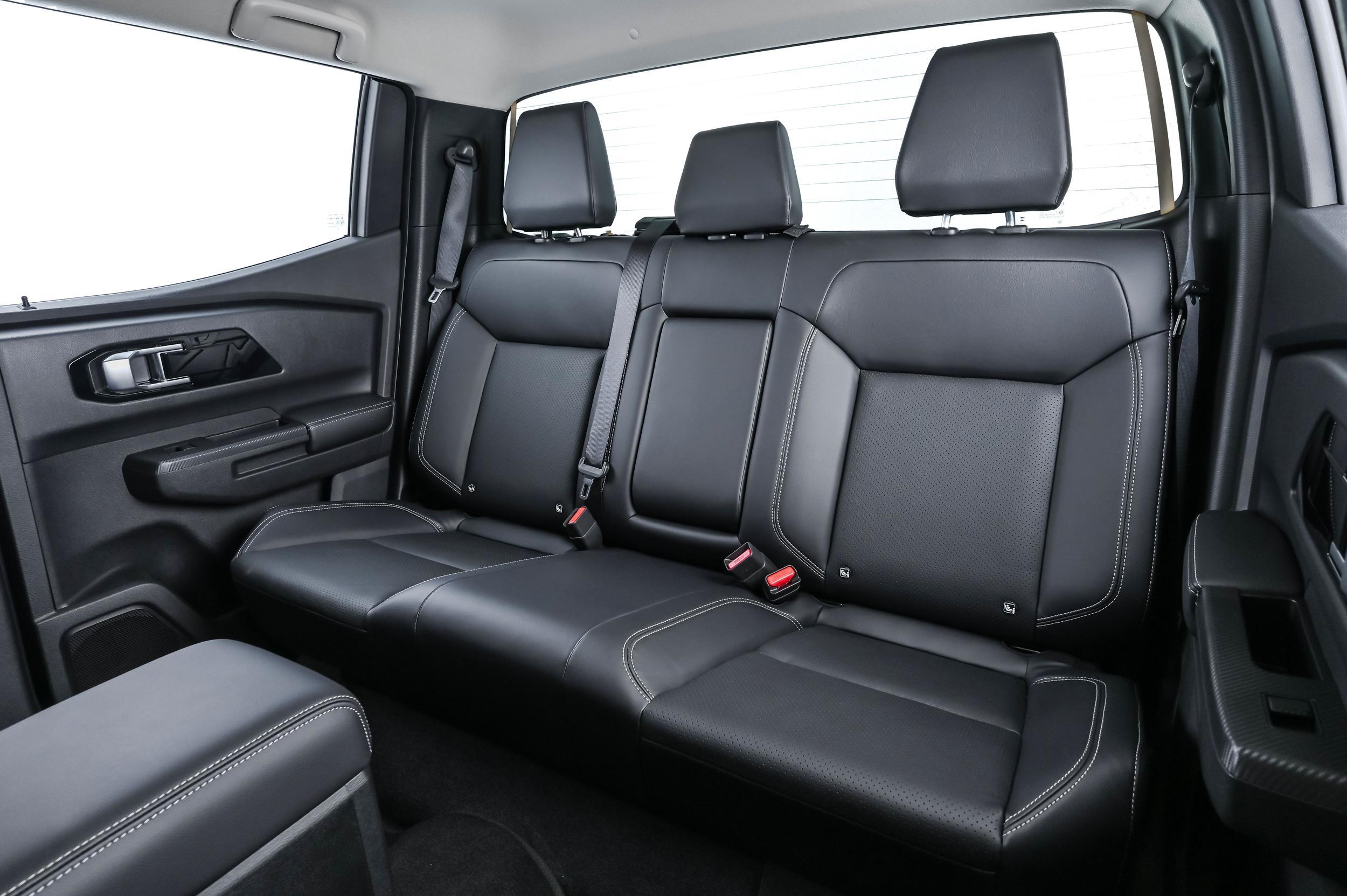
The Next-Gen Triton is approximately 50mm wider than the previous Triton, which translates into better shoulder room. The front-seat adjustment range in all models is also segment leading.
The front seats have been designed to provide firm lower back support while the shoulder areas provide ease of movement with an open shape, which helps to reduce driver fatigue. The hip point has also been moved up by 20mm with a more upright posture adopted to improve visibility. Ingress and egress have been improved thanks to a more vertical A-pillar which also widens the door openings.
Engine:
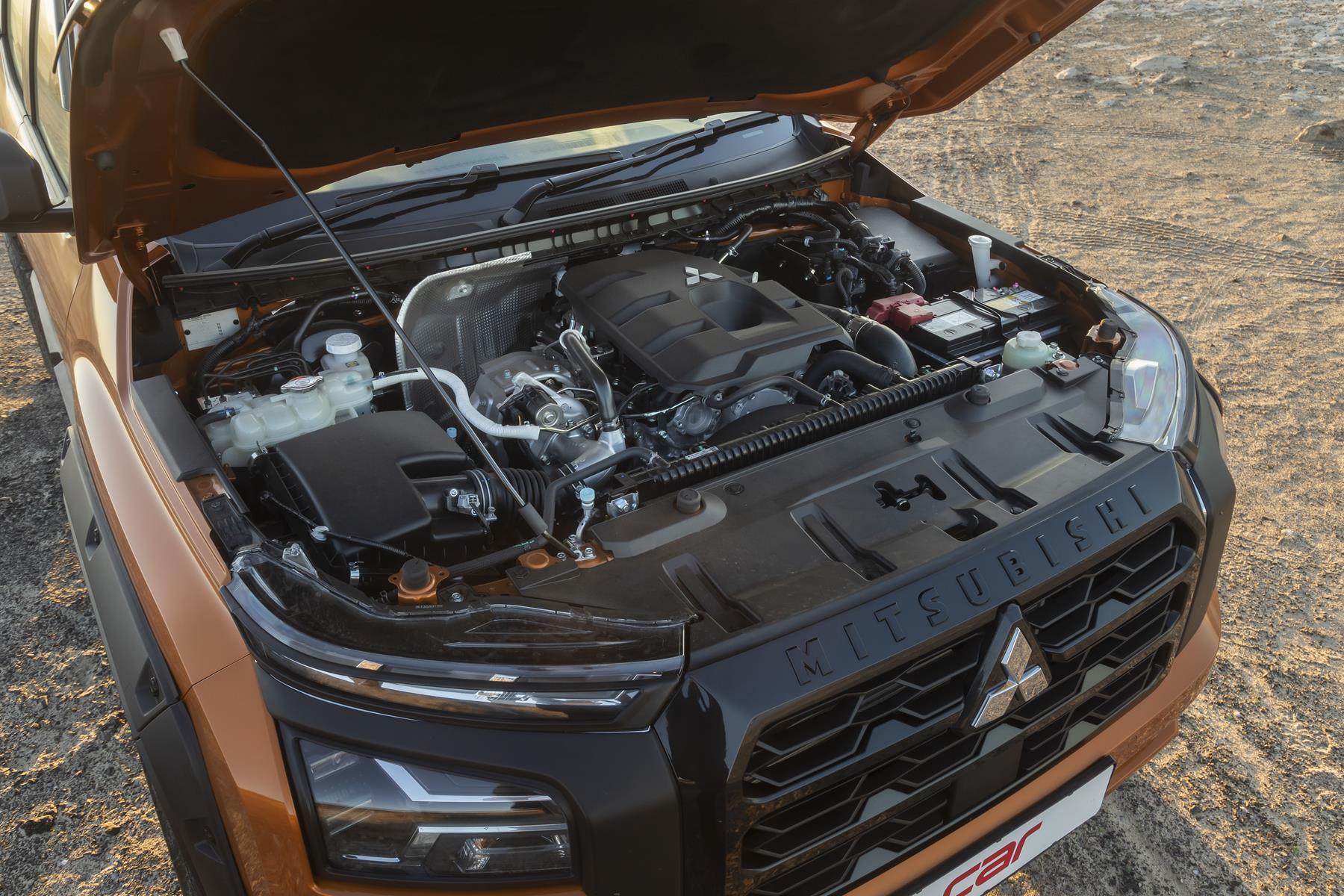
A newly developed 4N16 DI-DC engine delivers 135kW and 430Nm between 2 250 and 2 500 r/min.
This engine is paired to either a six-speed automatic transmission or a six-speed manual transmission.
GL models are fitted with a 2.4-litre DI-DC engine that offers 81kW and 200Nm between 1 000 and 3 750 r/min and which is paired to a five-speed manual transmission.
Price:
* Single-cab models:
2.4 GL 4x2 Manual (R479 990) and 2.4 GL 4x2 Manual (R559 990).
* Double-cab models:
2.4 GL 4x4 Manual (R639 990), 2.4 GLS 4x2 Auto (R679 990), 2.4 GLS 4x4 Manual (R739 990), 2.4 GLS 4x4 Auto (R759 990), 2.4 Xtreme 4x2 Auto (R769 990), 2.4 Athlete 4x2 Auto (R779 990), 2.4 Xtreme 4x4 Auto (R849 990), 2.4 Athlete 4x4 Auto (R859 990) and the Triton Next-Gen 2.4 Edition 46 4x4 Auto (R889 990).
Two leading Springbok rugby players, Aphelele Fassi and Jordan Hendrikse, have taken delivery of their new Nissan Navara Pro4X bakkies in Durban.

Dealership service departments know the pattern: the moment warranties and service plans expire; a portion of owners quietly migrate to the independent aftermarket.

Mercedes-Benz Vans South Africa announced its top-performing Agents and Dealers for 2025, recognising their exceptional dedication, customer service and commitment to the brand.
 Advertisement
 Advertisement
Have you ever noticed that anybody driving slower than you is an idiot, and anyone going faster than you is a maniac?
George Carlin
The BYD Atto 8 is the latest addition to the Chinese brand’s line-up in South Africa. Unlike the Sealion 7, which is a midsize fully electric coupe-SUV, the Atto 8 is a large seven-seater plug-in hybrid SUV designed to combine practicality with extended driving range. It is offered locally in two versions: Premium and Performance AWD.
The Kia Carens nameplate makes its return to South Africa, this time as a seven‑seater designed with families in mind. It combines Sport Utility Vehicle (SUV) styling with Multi-Purpose Vehicle (MPV) practicality, offering space, comfort and efficiency, Kia says.

The Omoda C4 has been unveiled at the Beijing International Auto Show, marking the latest addition to the brand’s crossover lineup.