Nissan bolstered its Magnite range with the addition of the Kuro version at the top end of its line-up.
Share with friends
What’s new?
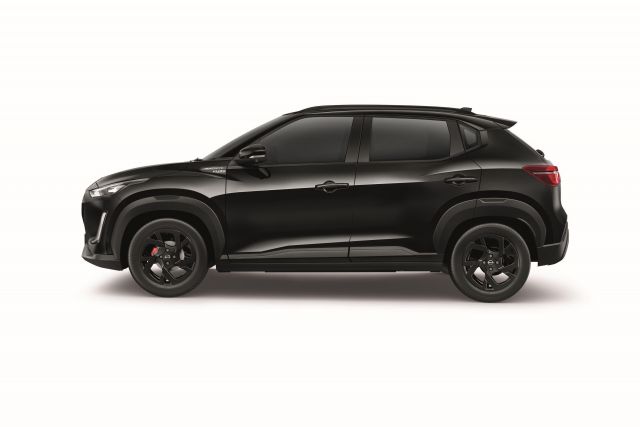
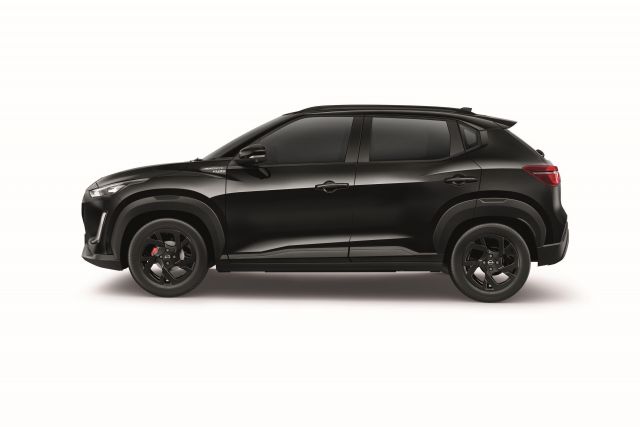
Tackling competitors at the higher end of its segment, the Nissan Magnite Kuro (which means black in Japanese) boasts new technologies and more equipment as well as exclusive colour options outside.
Exterior:
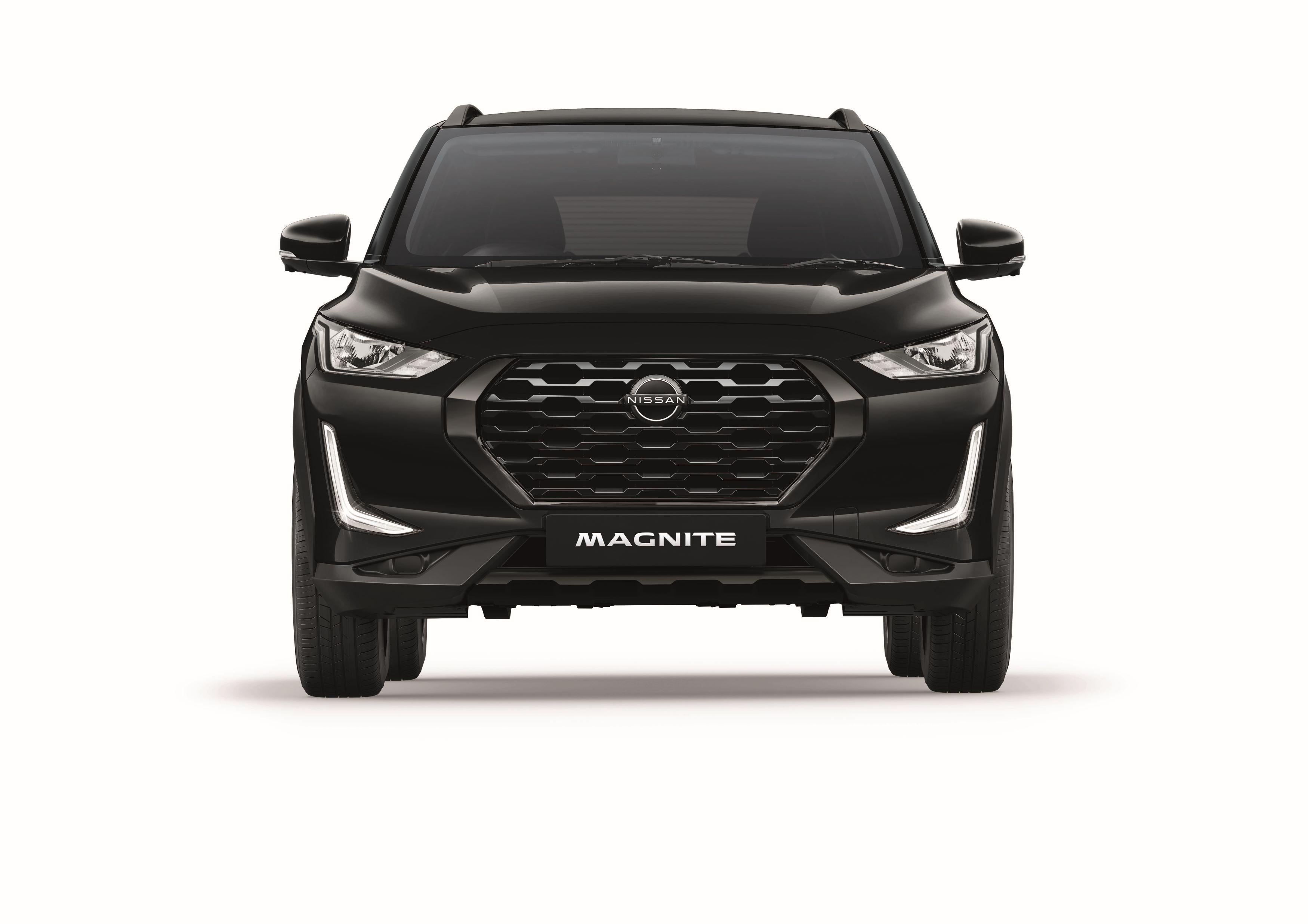
It sports the midnight colour scheme, advanced technology and fuel economy, as well as an all-black roof and dark interiors. The SA edition will have four colour options for its exterior: black, white, silver and red.
The front grille and back bottom section are finished in black, and the models have new 16-inch black alloy wheels and roof rails.
Interior:
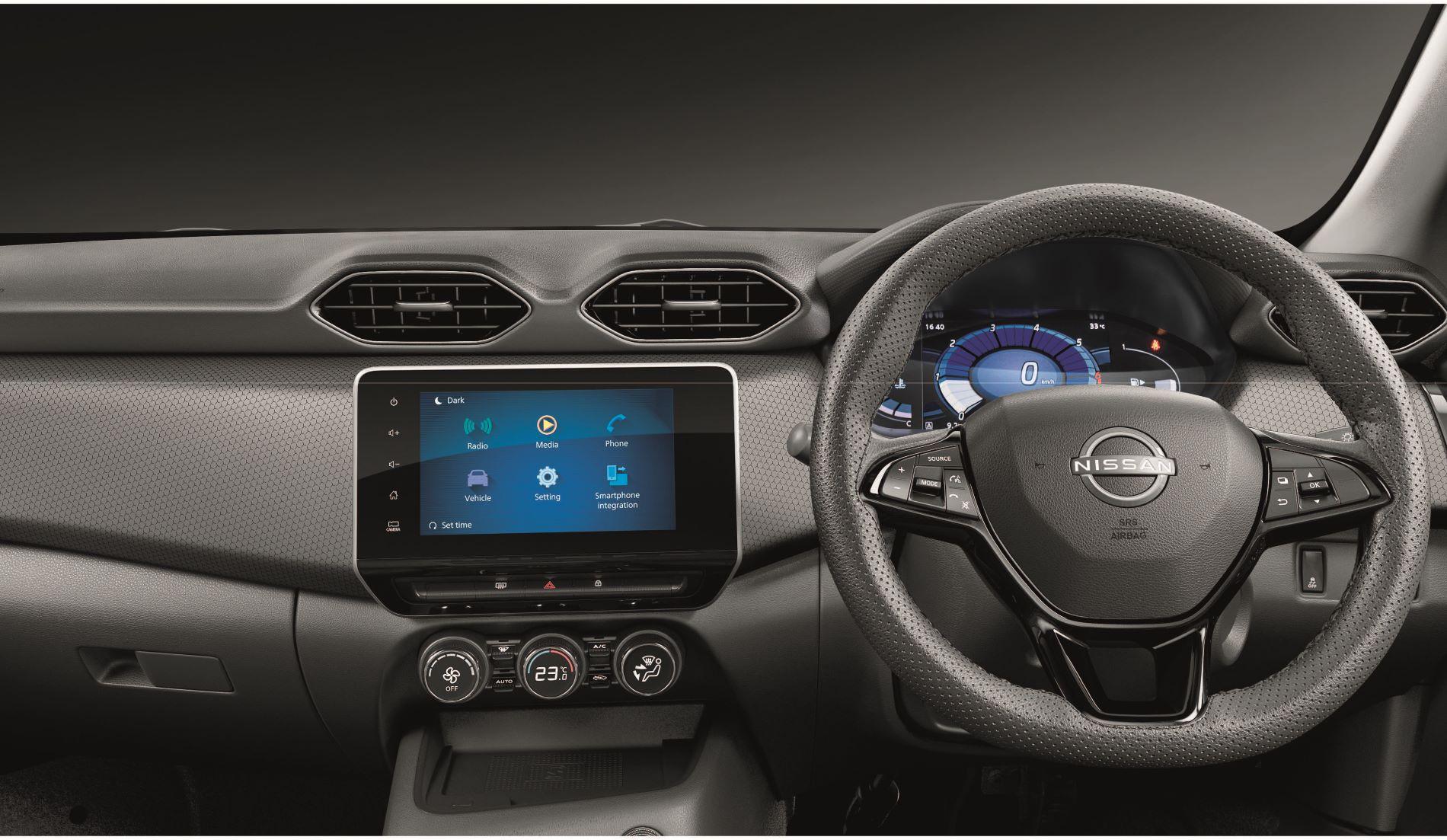
On the inside, black tones feature strongly too, and an array of new equipment completes the picture.
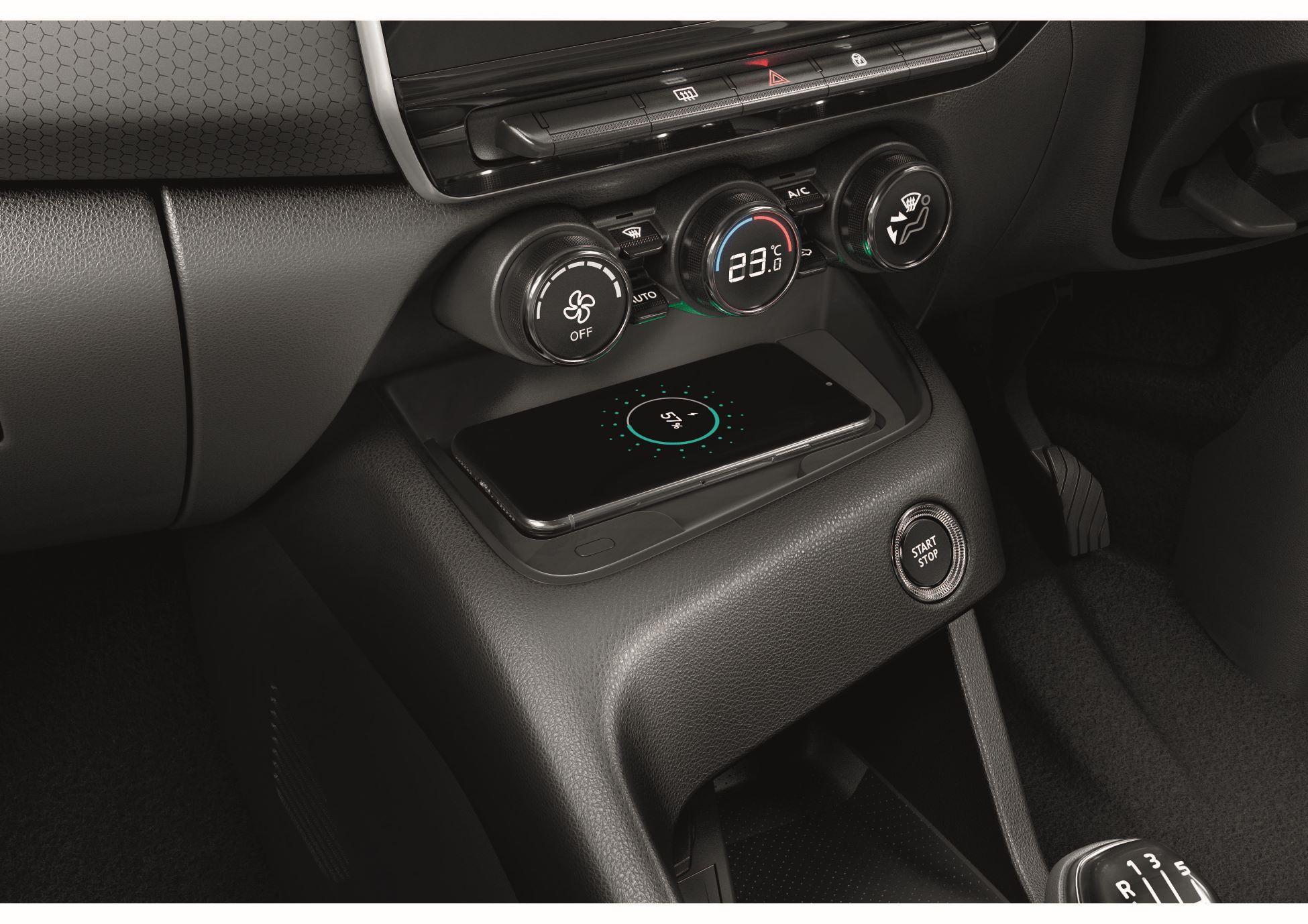
This includes drive assist display, wireless charging and state-of-the-art around view monitors – which make parking and navigating rush hour traffic easier than ever before.
Safety features include an Electronic Stability Program (ESP), Traction Control System (TCS), Hill Start Assist (HSA) and a Tyre Pressure Monitoring System (TPMS).
Engine:
The 999 cc three-cylinder turbo petrol engine provides the power with 74 kW and 160 Nm, connected to a five-speed manual gearbox or a CVT box.
Price:
The manual version of the Magnite Kuro costs R323 200 and the CVT version R351 800. The new addition is now available at Nissan dealers.
Many forward-thinking individuals propose that autonomous vehicles will improve road safety as problematic driver behaviour, which contributes to 90% plus crashes, will be eliminated. A recent incident may cause some to doubt this, however.
Motorists travelling over the Easter period can expect heavy traffic across South Africa’s road network, with authorities warning that routes to Limpopo will come under particular pressure as thousands of pilgrims make their way to Moria.
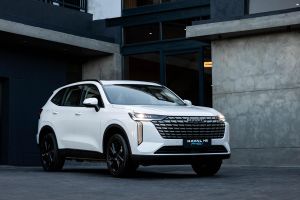
GWM has added the HAVAL H6 PHEV to its South African line-up, a plug-in hybrid SUV that combines electric commuting capability with long-distance range and all-wheel-drive performance.