Mitsubishi has upgraded its Triton range of pickups.
Share with friends
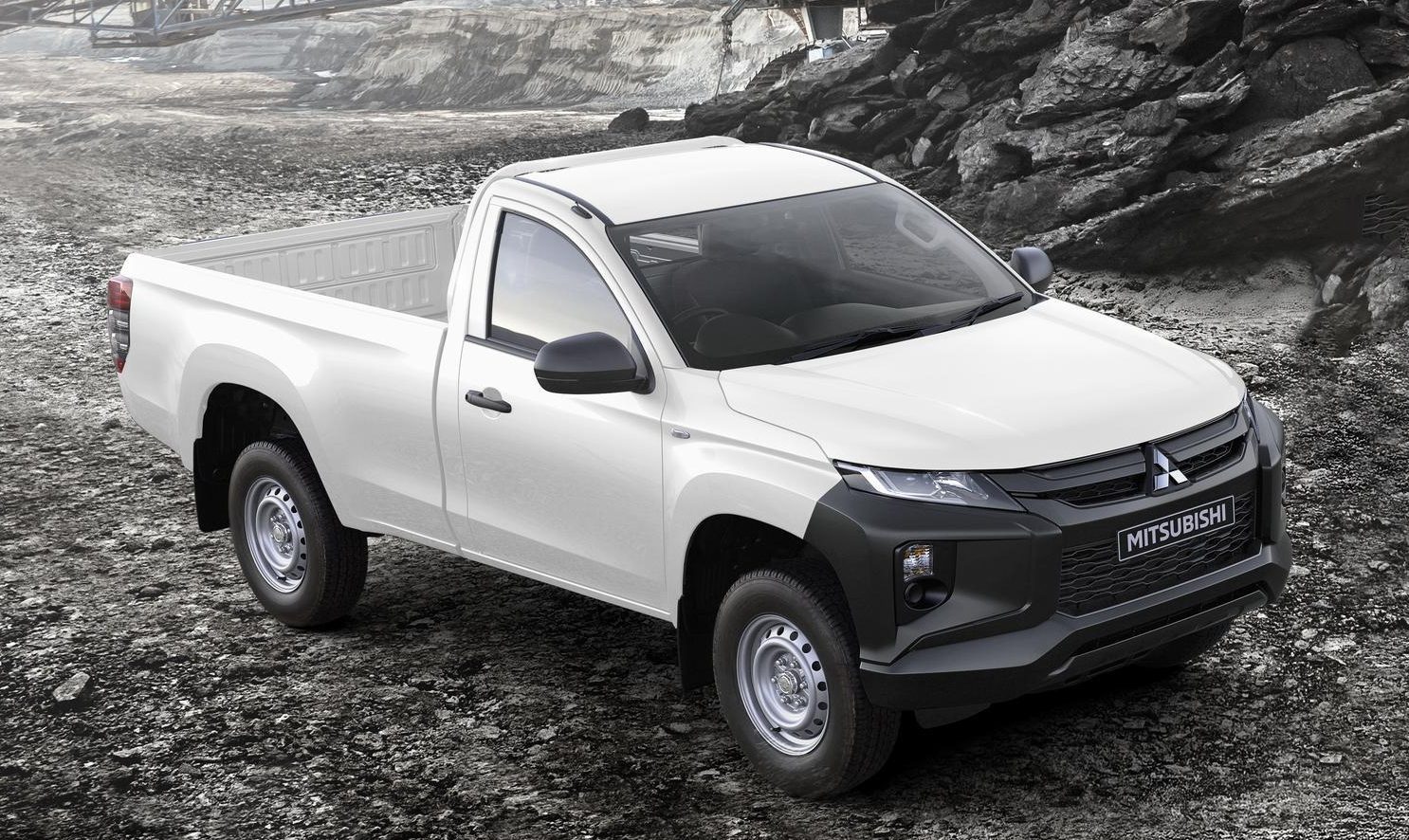
The most notable introduction of the new range is the exterior design cues for the modernised single cab triton GL, which includes a black grille, black door handles, mirror, tailgate handle, black rear bumper and black side steps. The interior of GLS double cab models boasts rear air vents, auto headlamps and auto wipers.
“The launch of the Single Cab is firmly directed at the fleet and small business market and is aimed to provide a cost-effective solution in the face of the steadily rising price of fuel and the recent repo rate hike,” explains Jeffrey Allison, General Manager of Marketing at Mitsubishi Motors SA.
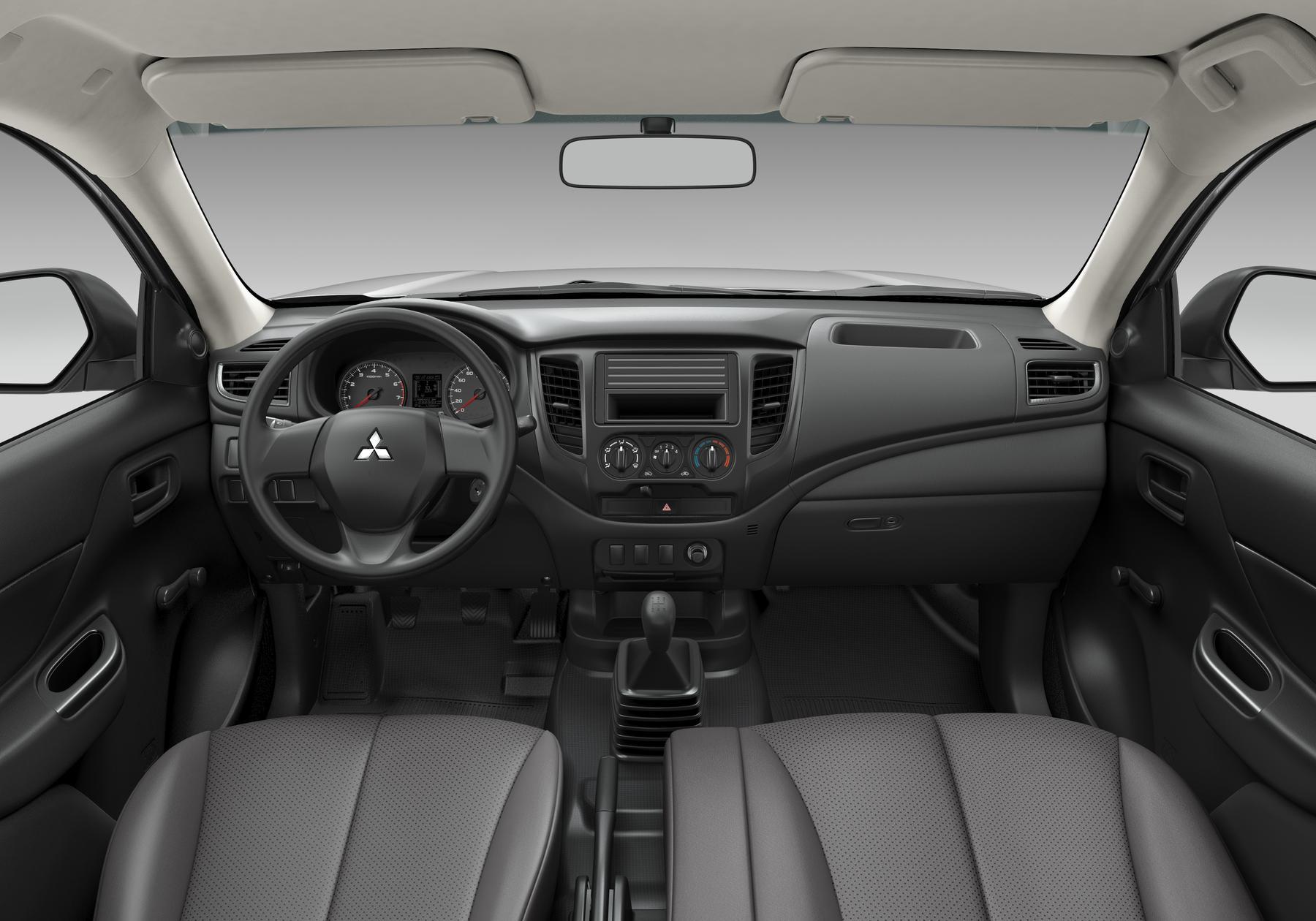
The new Triton workhorse has vinyl seats and sparse interior aimed at fleet buyers.
The Mitsubishi Triton 4x2 Single Cab with a limited slip differential, is powered by a 2.4 litre turbo-diesel engine with 100 kW and 324 Nm and a six-speed manual transmission. It has a 75 litre fuel tank.
The bakkie has 205R16C steel wheels and the seats are covered in high-grade, tough, vinyl for dust-beating practicality.
The Single Cab is priced R75 000 cheaper than its Double Cab sibling and will set you back R409 995 (August 2022).
“Looking ahead for Triton range, we should end the year with more than 10 derivates so there’s still a lot to be excited about with a few more additions to the Triton range on the horizon,” Jeffrey says.
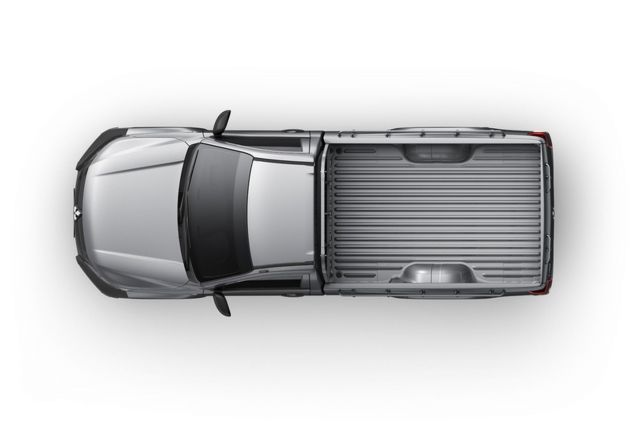
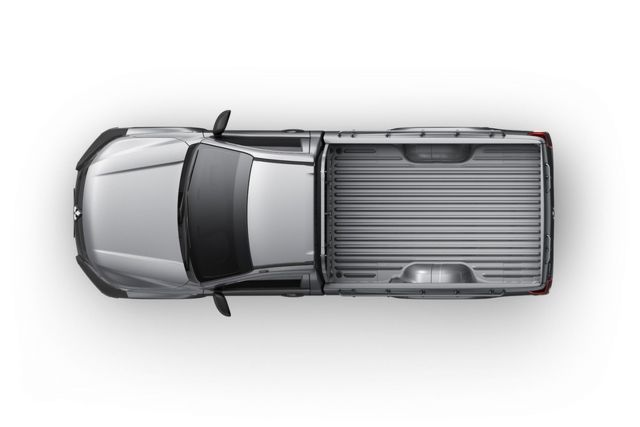
The new Triton Single Cab DI-SC.
“This forms part of our 2023 product offensive, adding to Triton Xtreme 4x2 introduction, GL Double cab and a wider range of ASX Aspire, ASX ES and Pajero Sport Aspire.”
Zero Carbon Charge (CHARGE) welcomes the government’s extension of short term fuel levy relief measures aimed at cushioning consumers from rising fuel prices, but cautions that these interventions do not address the underlying structural challenge facing South Africa’s transport economy.
At Auto China 2026 this weekend, President of Jetour International, Ke Chuandeng, made the announcement that from 2027, Jetour will be producing some of their models locally in South Africa
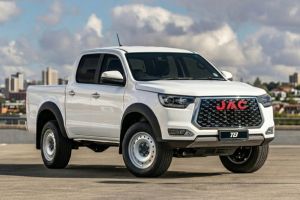
JAC Motors South Africa has introduced the T8 2.0L CTi Comfort 4x2 double cab and at R349 900 (VAT included), making it the lowest-priced double cab currently available in the country.
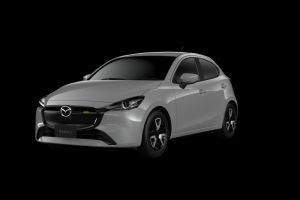
Mazda Southern Africa has refreshed its long-standing Mazda2 range for 2026, introducing styling updates, added technology and improved value for the brands entry level line-up.