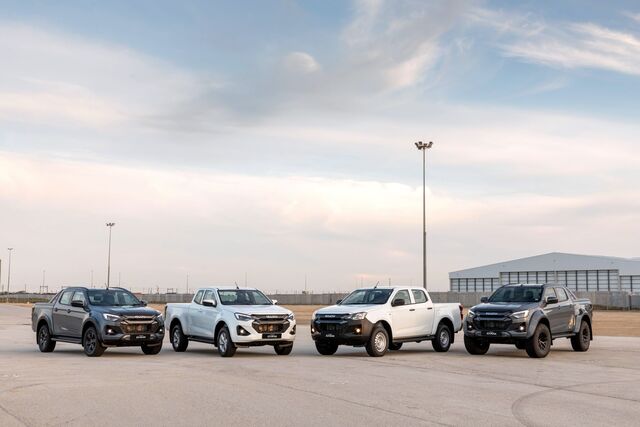
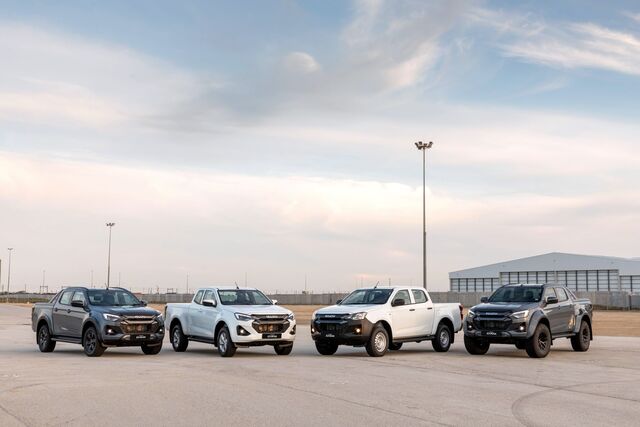
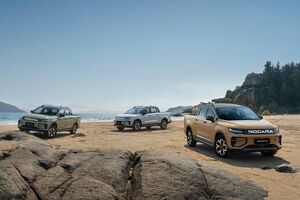
The 2026 Isuzu D-Max receives a mid-cycle update to the seventh-generation bakkie that was introduced in 2022 and is assembled at the Struandale plant in Gqeberha. The revised range grows from 27 to 33 models across Single Cab, Extended Cab and Double Cab body styles, with six new derivatives added.
Share with friends
Engine:
The most significant mechanical change is the adoption of a revised 1.9-litre Ddi (RZ4E) engine, which powers 23 of the 33 models. The turbocharger now uses an electronically controlled actuator in place of the previous vacuum actuator, improving throttle response.
A new high-pressure fuel pump and high-pressure common-rail injection system have been fitted, and the combustion chamber has been redesigned. A new ECM calibration records additional data sets for improved engine management. Metal glow plugs have been replaced with ceramic units that heat up faster and reduce cold-start emissions.
Peak outputs remain at 110kW and 350Nm, but the revised engine delivers an additional 130Nm at 1 600r/min compared to the outgoing unit. The full 350Nm torque figure is now accessible from 1 600 to 2 600r/min, widening the usable torque band. The 3.0-litre Ddi engine, producing 140kW and 450Nm, carries over without changes and is fitted to 10 models.
Off-Road:
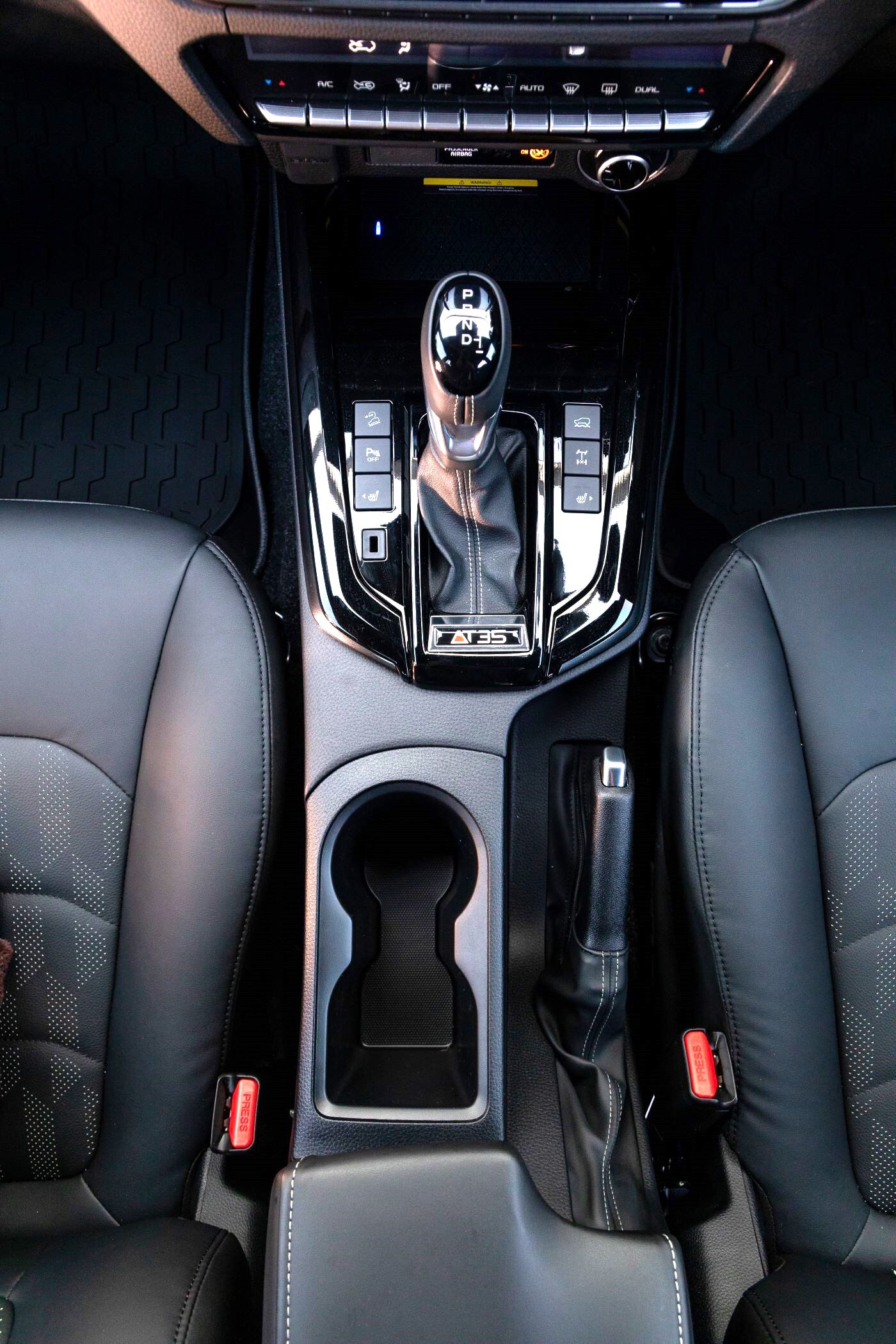
All 4x4 derivatives gain a new Rough Terrain Mode as standard. Activated via a button on the gearshift console, it works alongside the existing Traction Control System to apply stronger braking to spinning wheels while simultaneously sharpening throttle response. Power distribution between axles is adjusted accordingly. The system operates in 2H, 4H and 4L, and notably remains active even when the differential lock is engaged, which was not possible previously.
Exterior:
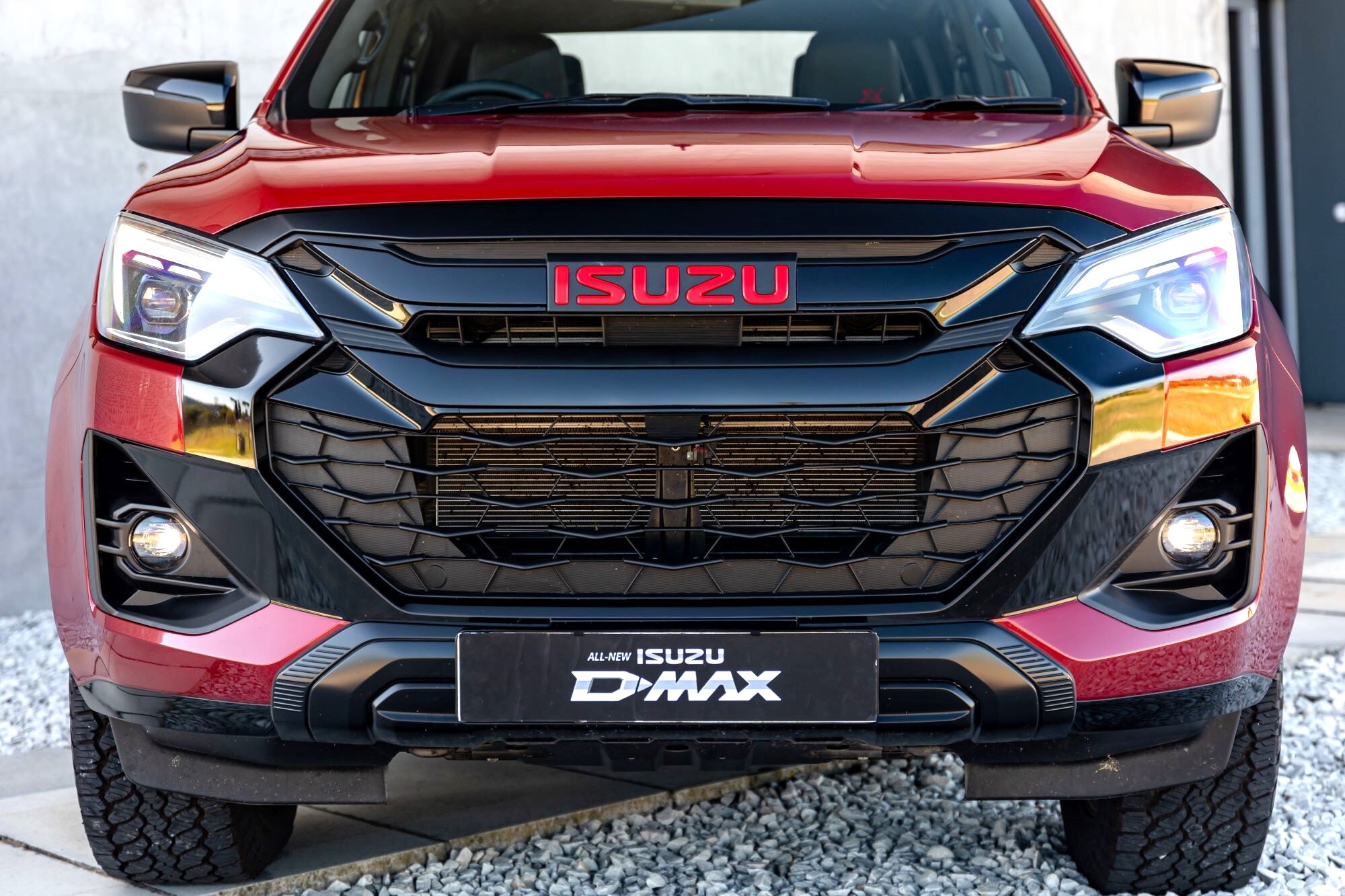
The front end has been restyled. On LS models and above, the LED daytime running lights with integrated turn indicators are now positioned above the headlamps rather than below them. The headlamp units themselves have been redesigned on both LED and halogen variants for improved illumination.
Triangular fog light bezels replace the previous items and incorporate an air curtain that channels air from the front bumper through the wheel well and along the side of the vehicle to reduce aerodynamic drag and cabin noise.
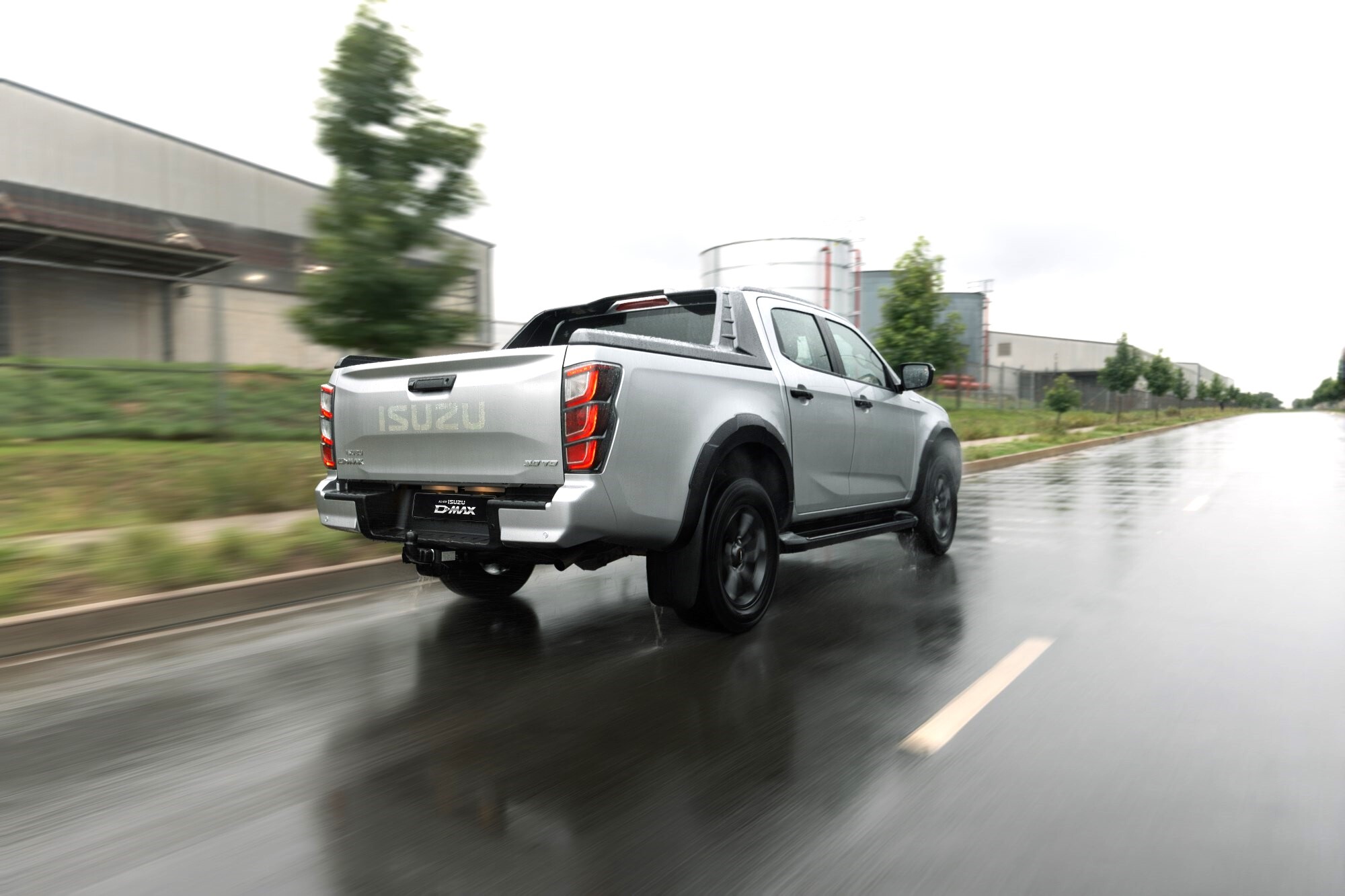
A new bonnet with a centre power bulge, revised front skid plate and bumper side skirts are also part of the update. At the rear, high-specification models receive new three-step LED combination tail lamps, a redesigned tailgate with a larger upper spoiler, and repositioned badging.
Infotainment and interior:
Base and L derivatives receive a new eight-inch touchscreen incorporating Bluetooth, wireless Apple CarPlay, Android Auto and USB connectivity. The instrument cluster gains a 4.2-inch TFT LCD multi-information display.
LS models gain lumbar support on the front seats and USB-C ports front and rear. LSE models move to a new nine-inch infotainment system with revised controls and add heated front seats and steering wheel shift paddles for the automatic gearbox variant.
Models:
The Single Cab range adds a new Low Ride Base 1.9 Ddi model at entry level. The Extended Cab line-up expands from one to four variants, with the addition of a 1.9 Ddi 4x4 manual and a 1.9 Ddi 4x2 automatic for the L series, plus a new LS 4x4 automatic. The X-Rider series, previously only available with the 1.9 Ddi, now also comes with the 3.0 Ddi in both 4x2 and 4x4 form. The LSE is available in Extended Cab and Double Cab with the 3.0 Ddi automatic in 4x2 or 4x4.
The V-Cross gains an upgraded ADAS camera with a 120-degree field of view (up from 40 degrees) and extended forward vehicle recognition from 120 to 150 metres. Intelligent Adaptive Cruise Control with Traffic Sign Recognition is now standard, alongside Traffic Jam Assist, Rear Cross Traffic Brake and updated lane-keeping functions.
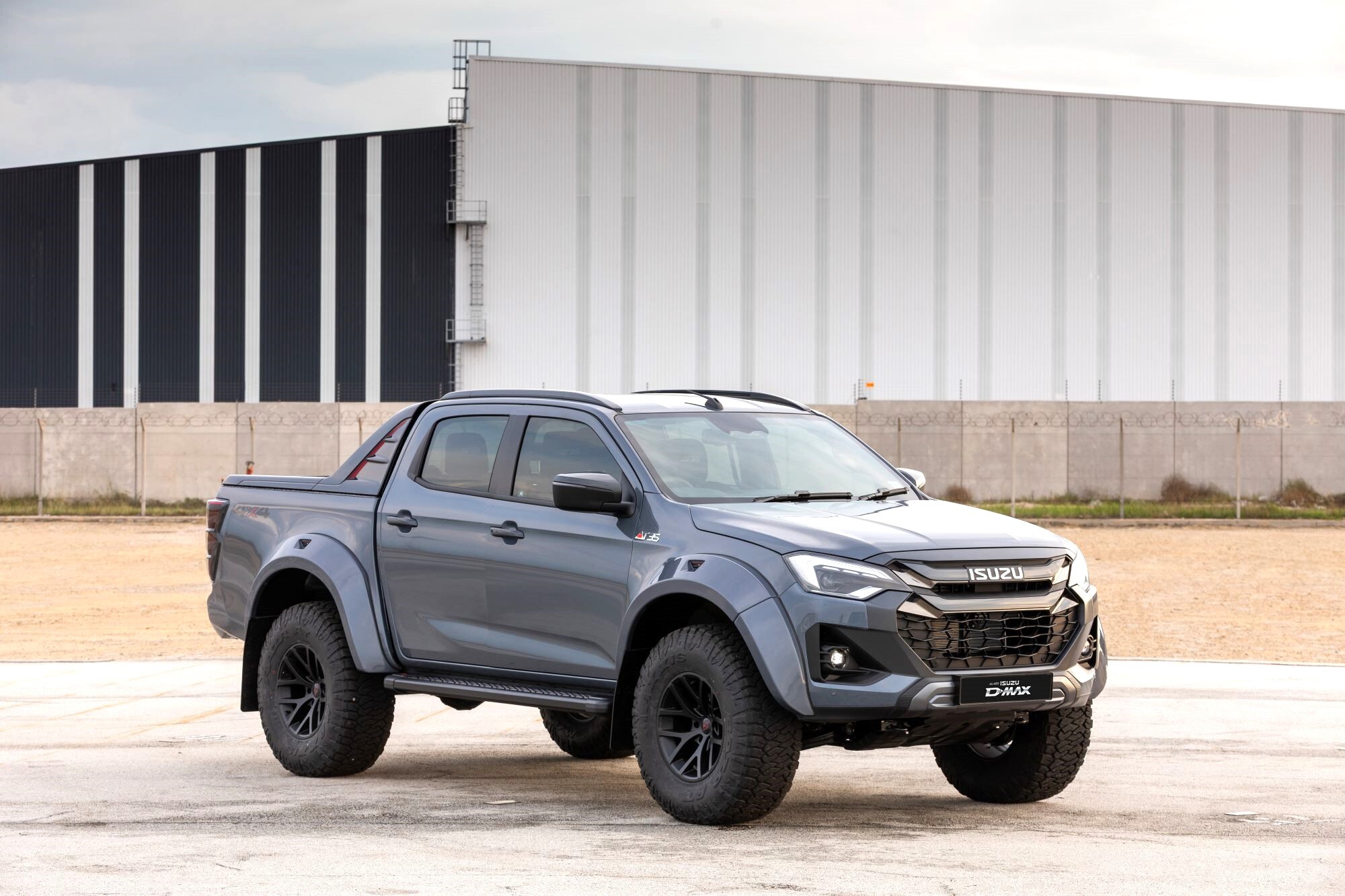
The AT35 is based on the V-Cross and retains its Arctic Trucks lift kit, 35-inch BF Goodrich all-terrain tyres and flared wheel arches.
The standard warranty and service plan remain unchanged at five years or 120 000km, with 15 000km service intervals.
With a solid foundation in the parts division of a dealership, and having worked his way up through the ranks across several departments, Hyde Park Toyota's new Dealer Principal says he is ready for the challenge ahead.
Mitsubishi Motors has revived the Pajero name with the launch of the fifth generation Pajero Cross Country. The new model does not simply replace the previous Pajero that disappeared from the market in 2021. Its relationship with the Pajero Sport is equally important, particularly for markets such as South Africa.
Range Rover, long regarded as the original luxury SUV, has introduced its first electric model. The vehicle is built at the Solihull plant in the UK, where Range Rover production has taken place since 1970.
Mitsubishi Motors has revived the Pajero name with the launch of the fifth generation Pajero Cross Country. The new model does not simply replace the previous Pajero that disappeared from the market in 2021. Its relationship with the Pajero Sport is equally important, particularly for markets such as South Africa.
Audi South Africa has introduced the new Q5 range, comprising the third-generation Q5 SUV, second-generation Q5 Sportback, and the performance-focused SQ5 SUV and SQ5 Sportback. The range is built on Audi's Premium Platform Combustion and brings a new generation of petrol and diesel engines to the nameplate.