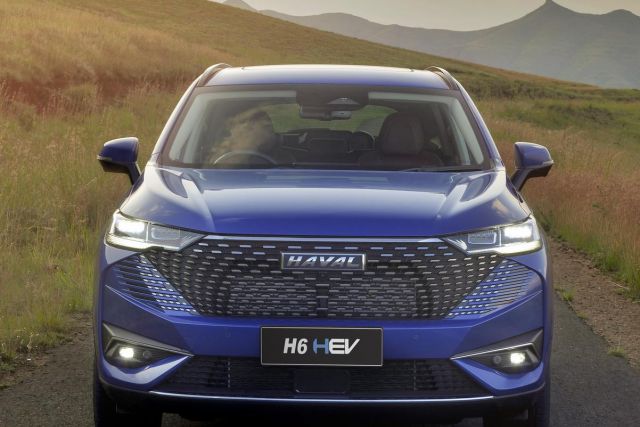
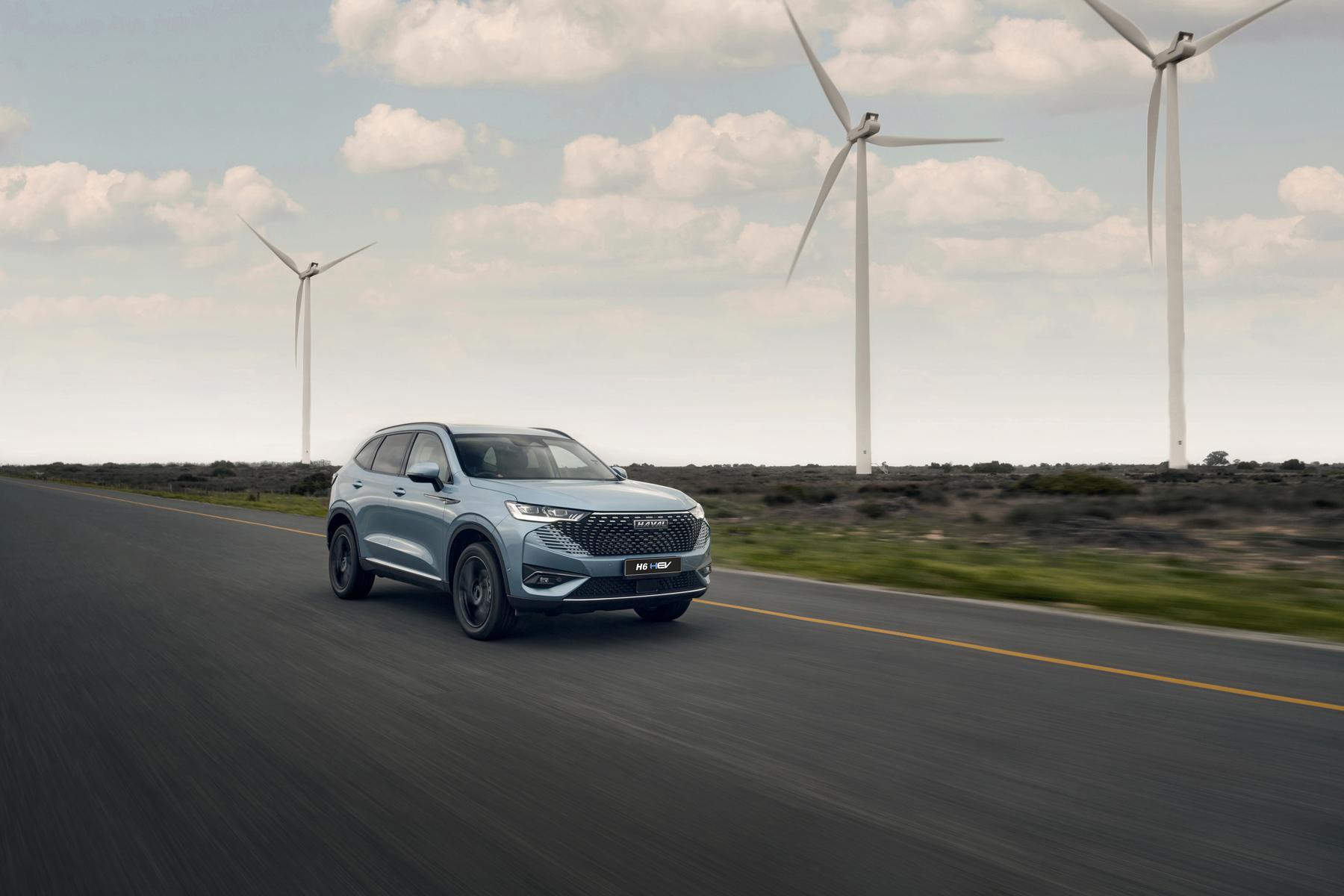
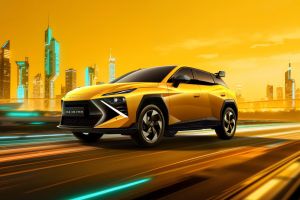
Haval has become the first Chinese manufacturer to introduce a hybrid in its local passenger line-up after it unveiled the Haval H6 HEV.
Share with friends
The Haval H6 HEV follows in the footsteps of the sportier Haval H6 GT, which was launched a couple of weeks ago. The H6 HEV is a full hybrid, which means that it can travel for short distances solely on electric power.
What’s new?
Power is delivered by an electric motor and a 1.5 Turbo petrol engine, generating 179 kW and 530 Nm with a 2-Speed Dedicated Hybrid Transmission (DHT). Haval claims an average consumption figure of 5.2 l/100 km.
In terms of looks, it boasts LED Headlights and Gloss Black Accents to the Sports Rear Spoiler and Panoramic Sunroof with unique 225/55 R19 Sports Alloy Wheels and a pronounced front grille.
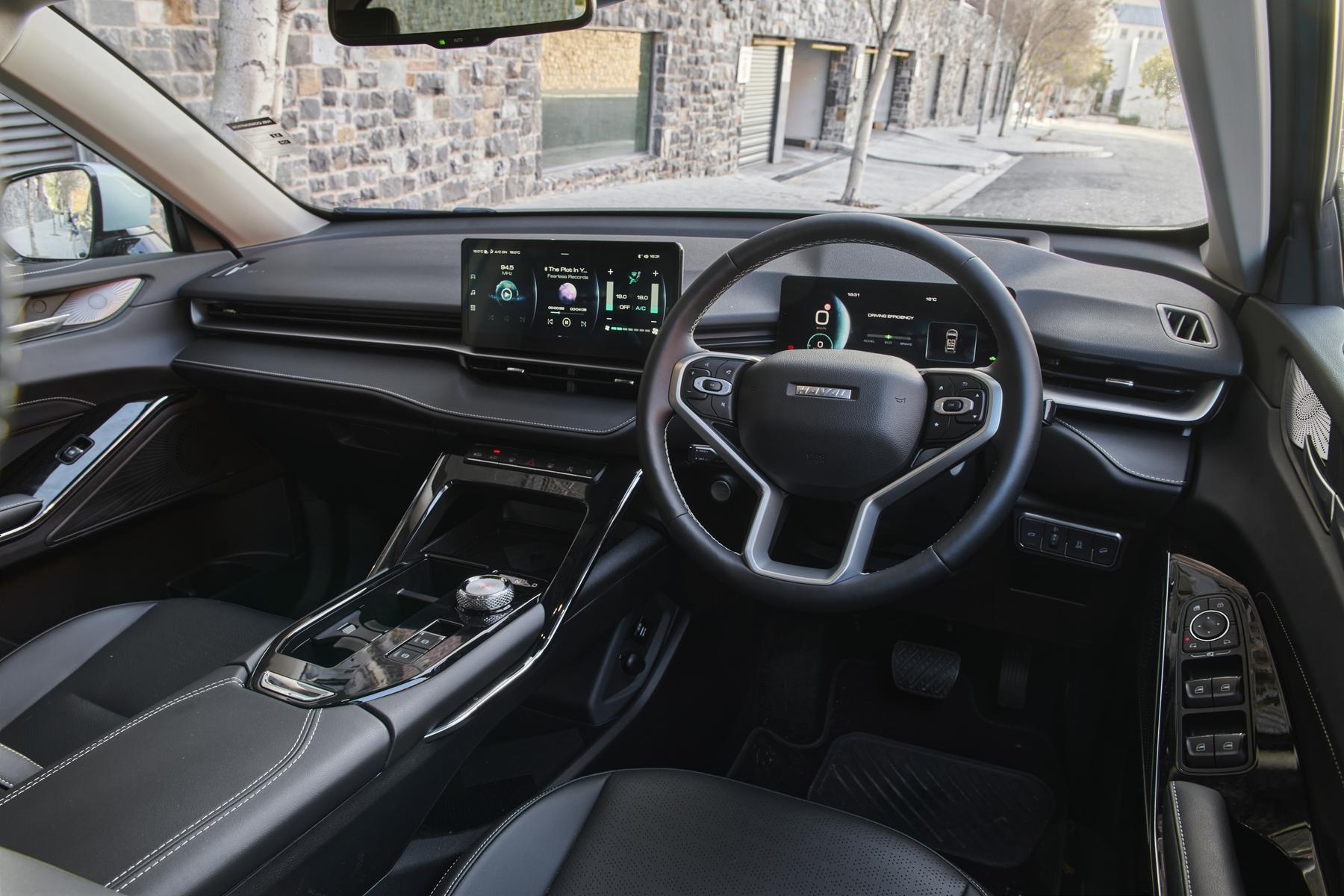
The H6 HEV is the first local Haval to have a Fully Automatic Parking System. It also has a long list of luxuries and safety features that include seven airbags, front and rear parking sensors, a 360-degree camera with panoramic view, Rear Cross Traffic Alert (RCTA) and Lane Keep Steering (LKS) to mention a few.
Range
The H6 HEV wil slot in as the new range topper above the recently launched H6 GT.
The Hybrid version will cost around R699 950 when it goes on sale within the next few weeks.
The GT is priced at R629 950 and the cheapest model in the range starts at R479 950.
In total, the H6 range will consist of six models. Above the normal warranty and service plans, the HEV will have an extra 150 000 km/ 8-year warranty on the battery.
Zero Carbon Charge (CHARGE) welcomes the government’s extension of short term fuel levy relief measures aimed at cushioning consumers from rising fuel prices, but cautions that these interventions do not address the underlying structural challenge facing South Africa’s transport economy.
At Auto China 2026 this weekend, President of Jetour International, Ke Chuandeng, made the announcement that from 2027, Jetour will be producing some of their models locally in South Africa
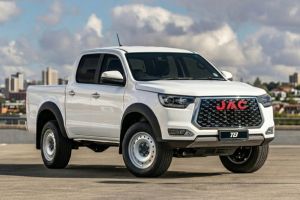
JAC Motors South Africa has introduced the T8 2.0L CTi Comfort 4x2 double cab and at R349 900 (VAT included), making it the lowest-priced double cab currently available in the country.
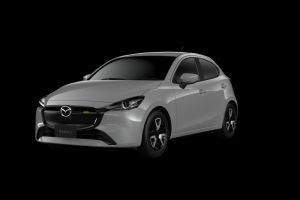
Mazda Southern Africa has refreshed its long-standing Mazda2 range for 2026, introducing styling updates, added technology and improved value for the brands entry level line-up.