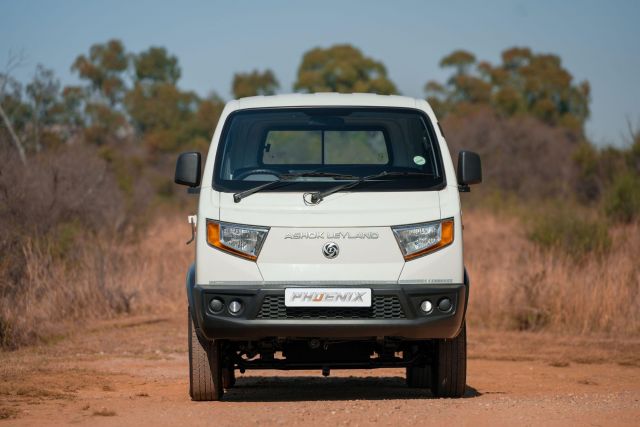
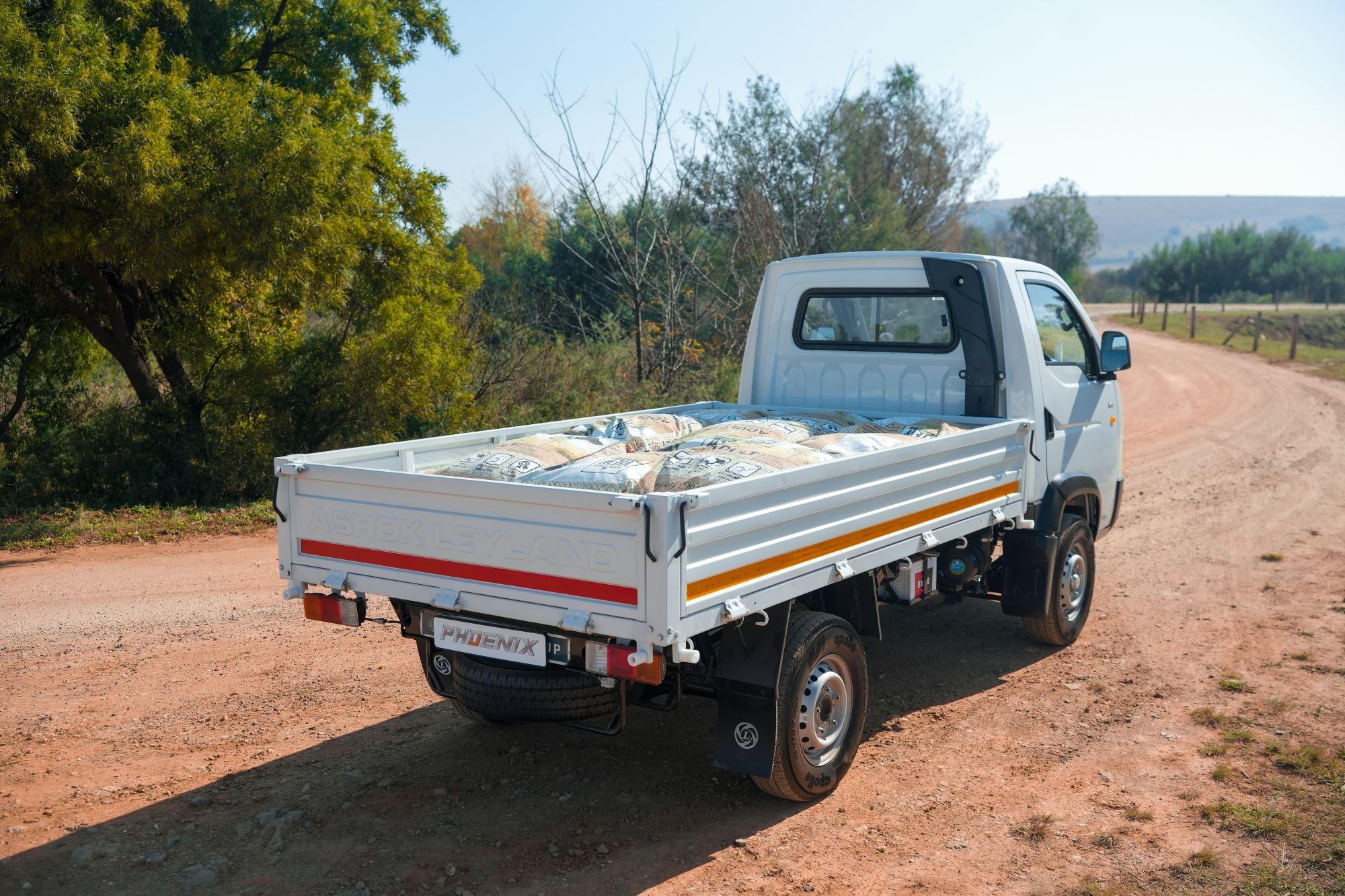
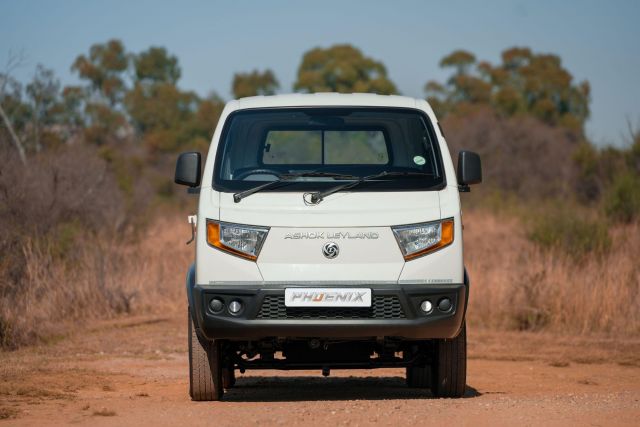
Ashok Leyland recently introduced the Phoenix – a versatile three-seater workhorse ideal for doing some heavy lifting in the South African market.
Share with friends
What is it?
The Phoenix is capable of transporting goods across different terrains, which will appeal to buyers who must transport goods everywhere, from city centres to rural areas.
It has a 1500cc, three-cylinder turbo-diesel engine good for 59kW and torque of 190Nm connected to a 5-speed manual gearbox.
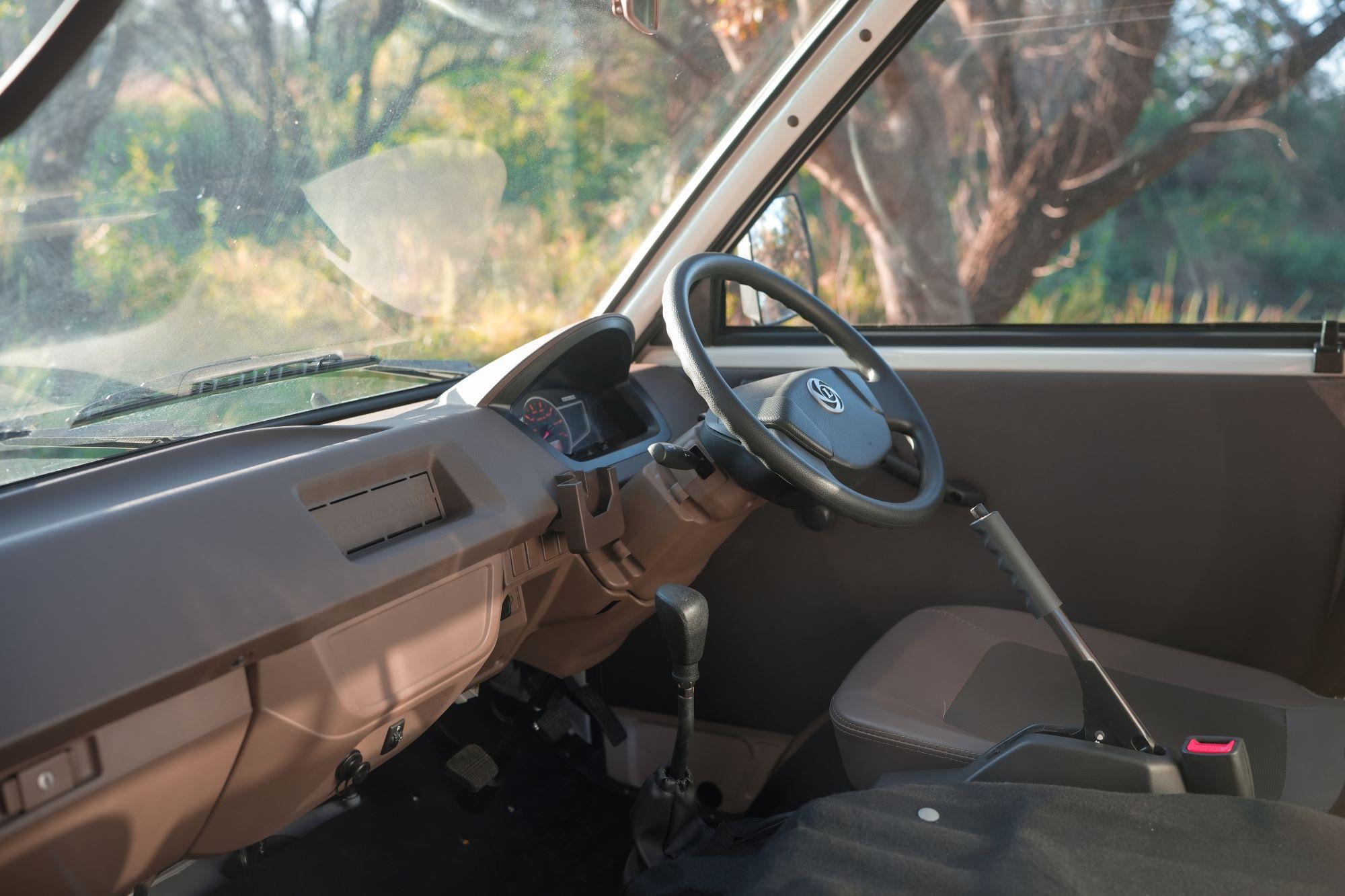
Interior:
The Phoenix comfortably seats a driver and two passengers and is equipped with power steering. It’s sharp turning radius and dash-mounted gearshift and controls ensure that the Phoenix is easy to manoeuvre in tight spaces whether it’s navigating inner city deliveries, construction sites or narrow farm roads, claims the manufacturer.
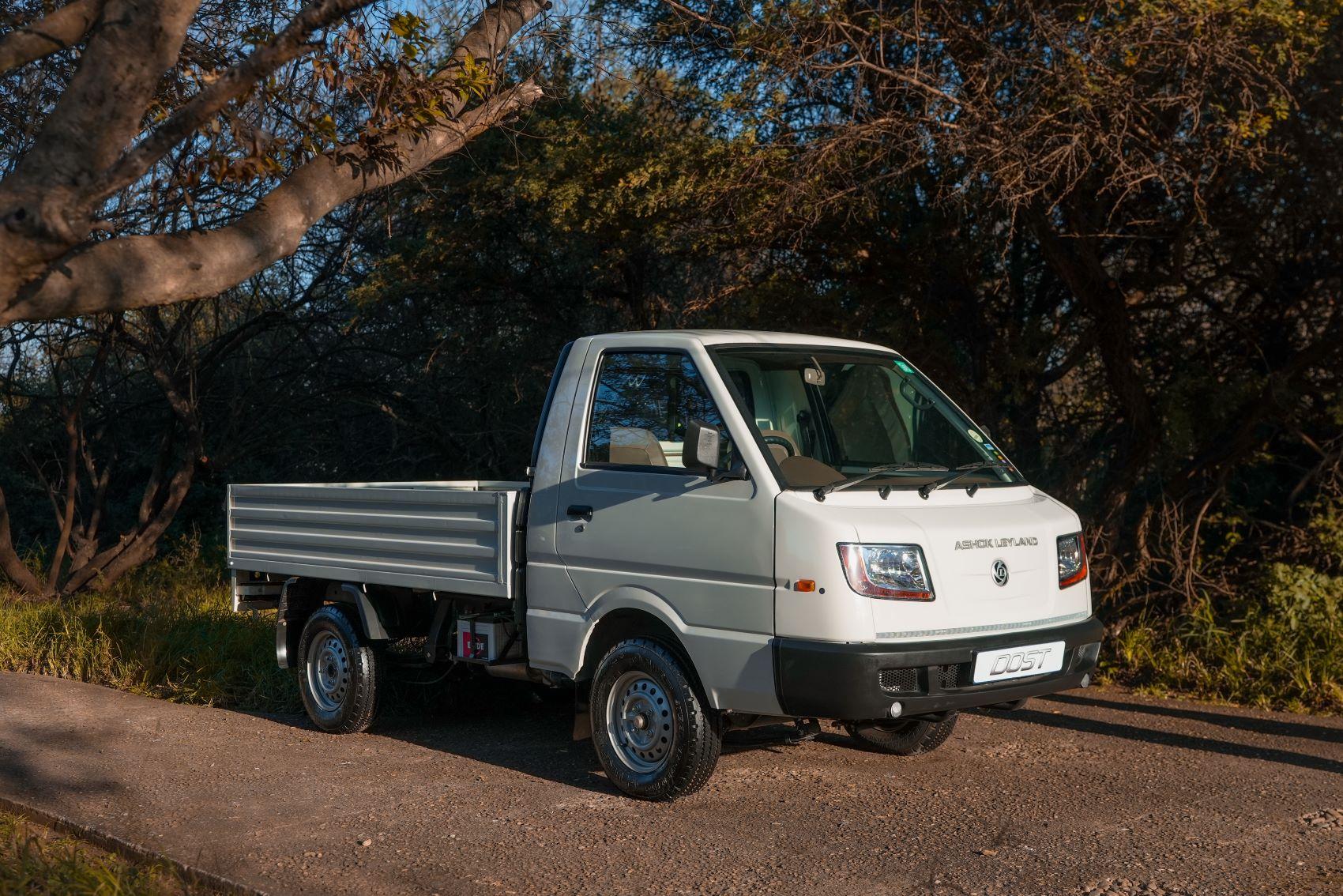
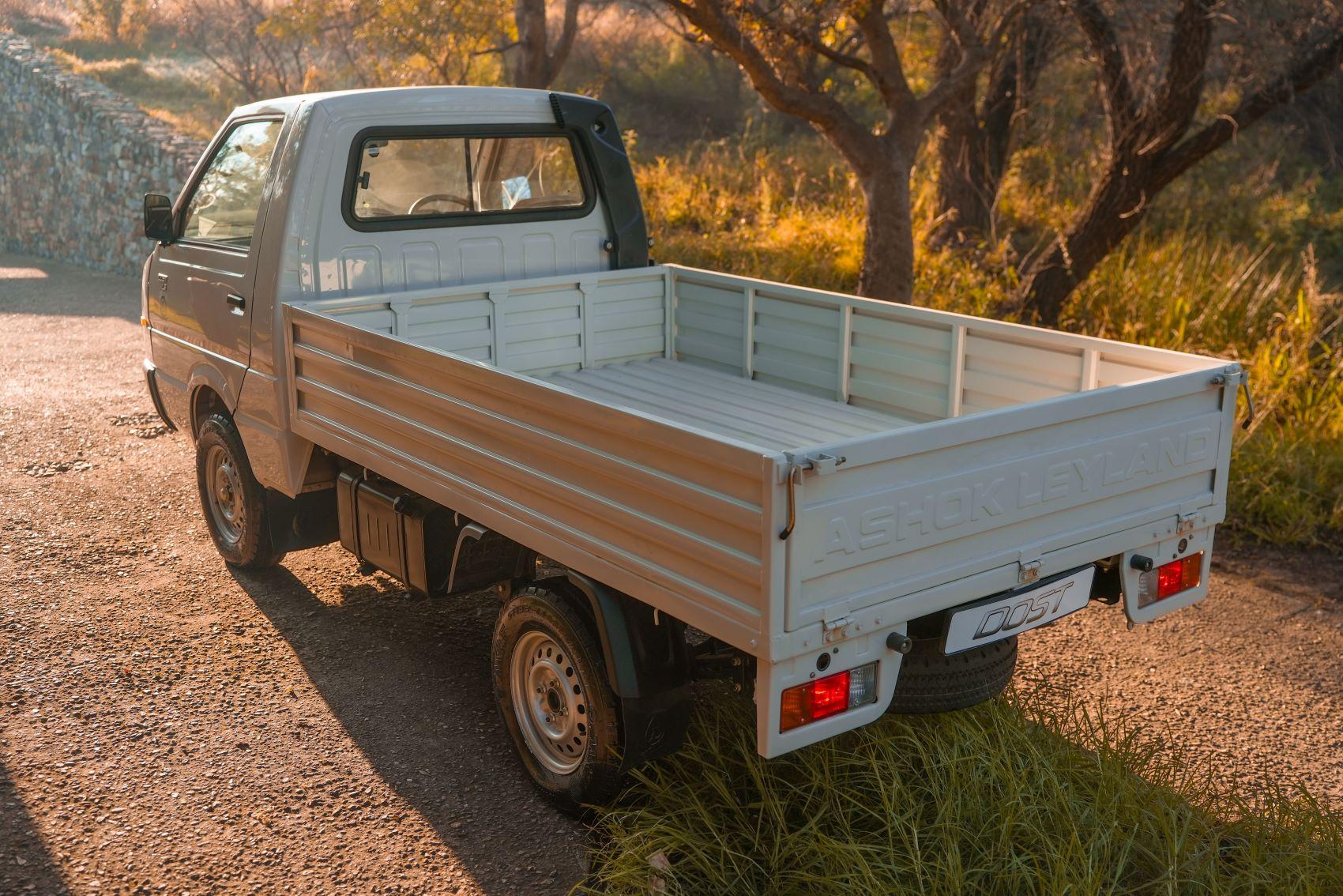
Exterior:
The Phoenix’s load carrying capacity of 1 810kg and sturdy load deck make it a serious workhorse, but one that can be driven with a standard local EC1 driver’s licence.
Everything about the Phoenix, from its robust chassis to driver comfort is designed to support the needs of small business owners or fleets.
Price:
The Ashok Leyland Phoenix costs R260 900. It comes with a 5-Year / 150 000km warranty and 5-Year / 150 000km roadside assistance.
This gives owners peace-of-mind, which is essential when you consider the costs and risks faced by small business owners.
Many forward-thinking individuals propose that autonomous vehicles will improve road safety as problematic driver behaviour, which contributes to 90% plus crashes, will be eliminated. A recent incident may cause some to doubt this, however.
Motorists travelling over the Easter period can expect heavy traffic across South Africa’s road network, with authorities warning that routes to Limpopo will come under particular pressure as thousands of pilgrims make their way to Moria.
GWM has added the HAVAL H6 PHEV to its South African line-up, a plug-in hybrid SUV that combines electric commuting capability with long-distance range and all-wheel-drive performance.