Road traffic and transport legislation consultant, Alta Swanepoel and LexisNexis have made available an online course to unpack the Administrative Adjudication of Road Traffic Offences, or AARTO system, for fleet managers and executives.
Share with friends
After many delays, the AARTO system is due to be rolled out in South Africa on 1 July 2021. Swanepoel said while serious road traffic offences will still be prosecuted in terms of the Criminal Procedure Act, 1977 (CPA), the AARTO system will be used to issue traffic fines and demerit points on drivers’ licences.
She warned failure to adhere to new AARTO rules could quickly result in driving licence and vehicle suspensions. “As such it is vital that anyone who drives a vehicle on a public road knows what the act is about and how it will affect them,” says Swanepoel.
Alta Swanepoel.
To assist company representatives and individuals understand the impact of AARTO, Swanepoel’s online course is structured in three modules covering the purpose of the legislation, administrative procedures, demerit points, discounts, forms, and a list of all the offences and infringements impacted by the legislation.
Swanepoel, who was part of the team that drafted the AARTO Regulations and Schedules and is the editor of Road Traffic & Road Transport Legislation Service, said the course also includes a comprehensive manual with the AARTO Act and Draft Regulations as they will apply, as well as general notes on the impact of the legislation on company proxies, drivers, and operators.
“It provides expert, user-friendly advice to employers, senior executives, management staff and employees to comply with the legislation,” she says.
The course costs R2,950 per delegate, with a five percent discount offered for 5 to 9 delegate group bookings or 10% discount for 10 or more delegate groups. More information on LexisNexis, search for “road transport”.
Motus Retail has officially opened its first dedicated Mahindra dealership in the Western Cape, located in Tygervalley. Martin Smit will lead the team as Dealer Principal.
We Buy Cars has continued its involvement in youth skills development, with a recent group of learners completing sponsored programmes in partnership with SA Business School.
We Buy Cars has continued its involvement in youth skills development, with a recent group of learners completing sponsored programmes in partnership with SA Business School.
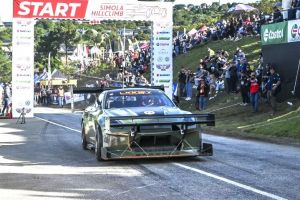
One of South Africa’s most popular motorsport events is just days away, with the Simola Hillclimb once again set to draw fans, competitors and manufacturers to the Garden Route.