The organisation previously known as the National Association of Automobile Manufacturers of SA, has revealed its new corporate website and has updated social media channels and with it a fresh and dynamic new corporate image.
Share with friends
The new image sees naamsa move from an acronym to a recognised brand that takes its rightful place as the voice of the automotive industry. It also brings new energy to an organisation that can trace its origins in South Africa back to 1935.
“For over 85 years, naamsa has been the trusted ambassador for and on behalf of the automotive industry. We represent an industry that has been built by visionaries, entrepreneurs and philanthropists, and we want to carry that spirit into a new era of growth, investment and transformation,” says Mike Mabasa, Chief Executive Officer of naamsa.
The new naamsa logo and corporate image are made up of two hexagons and a chevron, with each element representing a piece of the industry and of naamsa’s new character.
At the centre of the logo is a small hexagon, a universal symbol of coherence that represents, amongst other things, communication, equality, perfection and dependability. The colour silver was carefully chosen to symbolise the strong grey steel that is the strength of this industry.
The larger, black hexagon in the logo is associated with power, strength, authority, formality and sophistication. It also graphically represents the upstream, core, adjacent and downstream industries that contribute to the success of the automotive sector. These industries include mining, chemical, electronics, textiles, vehicle manufacturing, the dealer network, logistics, transport, advertising and marketing.
Rounding off the dynamic new logo is the green chevron, placed to the right of the naamsa logo. This design element, explains Mike, refers to progress, mobility, growth, sustainability and the exciting future of the automotive sector.
The new corporate image features prominently on the new naamsa website, which also introduces the wider auto sector to the new tiered membership structure and information service that naamsa provides.
The new site gives a quick and informative overview of the industry’s performance for the year, while sections of the SA Economy and the Auto Dashboard provide top-line statistics on various tax, industry and sales performance metrics.
Industry role players can delve into very detailed industry statistics by signing up to one of the many membership levels now available on the site. naamsa membership gives members access to naamsa’s proprietary Autolytics industry data, which includes domestic, import and export sales, vehicle registration statistics, industry calendars and used car sales data.
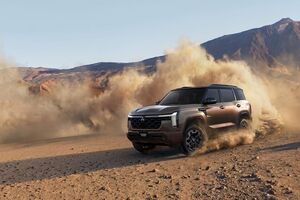
Mitsubishi Motors has revived the Pajero name with the launch of the fifth generation Pajero Cross Country. The new model does not simply replace the previous Pajero that disappeared from the market in 2021. Its relationship with the Pajero Sport is equally important, particularly for markets such as South Africa.
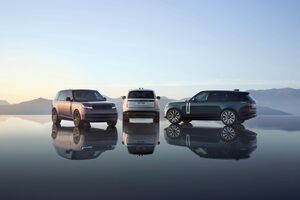
Range Rover, long regarded as the original luxury SUV, has introduced its first electric model. The vehicle is built at the Solihull plant in the UK, where Range Rover production has taken place since 1970.
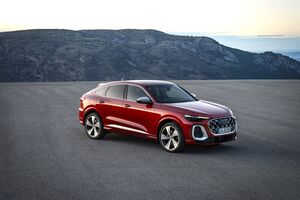
Audi South Africa has introduced the new Q5 range, comprising the third-generation Q5 SUV, second-generation Q5 Sportback, and the performance-focused SQ5 SUV and SQ5 Sportback. The range is built on Audi's Premium Platform Combustion and brings a new generation of petrol and diesel engines to the nameplate.
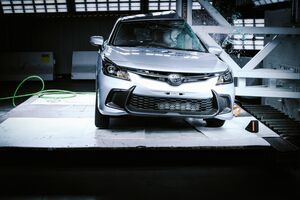
The Toyota Starlet has improved from zero to a four-star rating for adult occupant protection in Global NCAP's latest #SaferCarsForAfrica crash test results. This follows a safety upgrade to make six airbags a standard fit.
Ford Motor Company of Southern Africa has released a new corporate manifesto that sets out its commitment to the country, its customers and its dealer network, alongside a renewed push to champion industrialisation as central to South Africa's future.
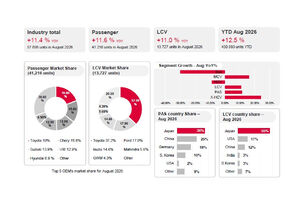
South Africa's new vehicle market sustained strong momentum in August 2026, with aggregate sales increasing by 11,4% year-on-year to 57 898 units, says the Automotive Business Councill | naamsa.