
CMS Systems marks 25 years in automotive retail technology
CMS Systems is celebrating 25 years in business, marking a significant milestone for a company that has become a central player in automotive retail technology.
- Industry News
- 24 April 2026
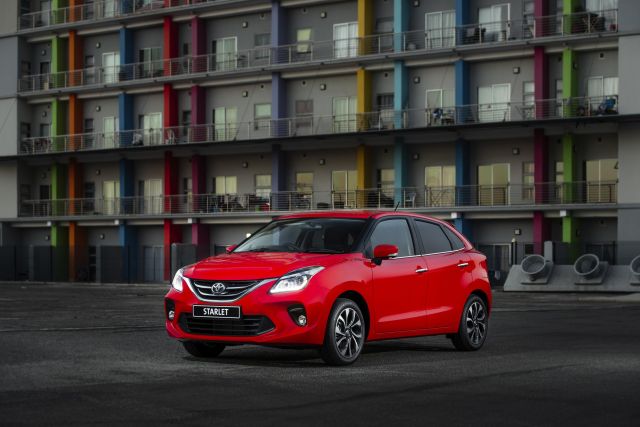
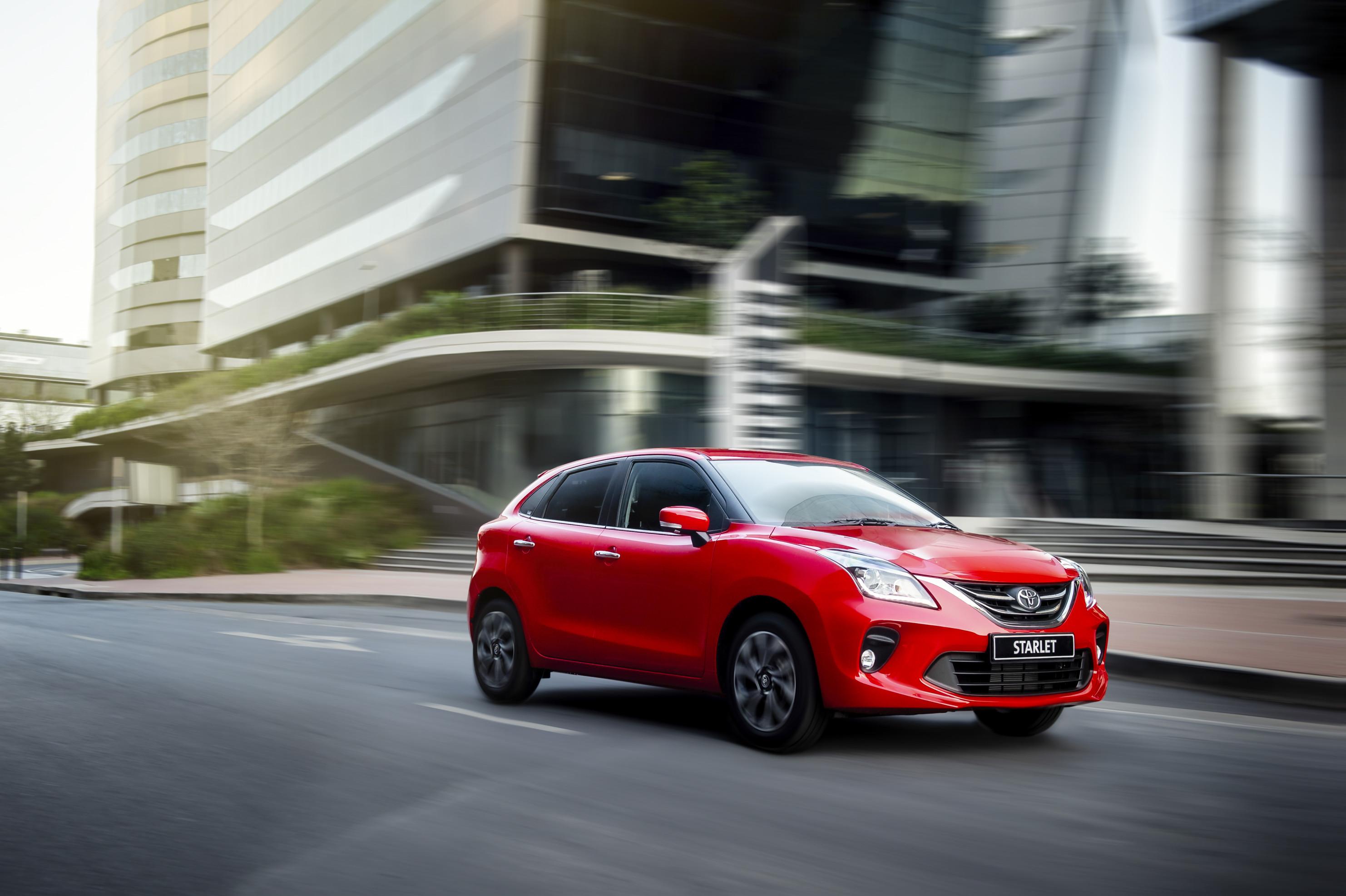
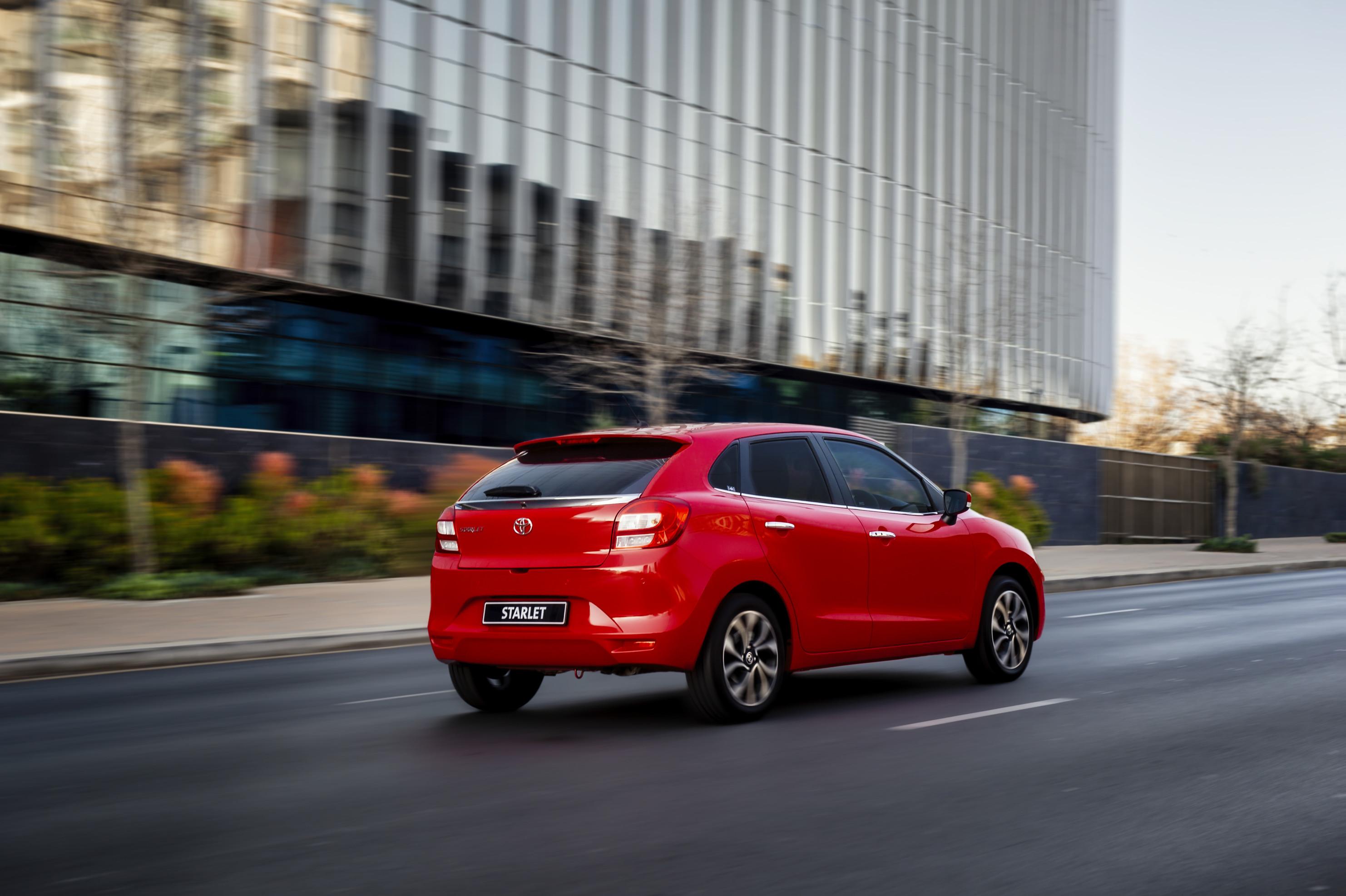
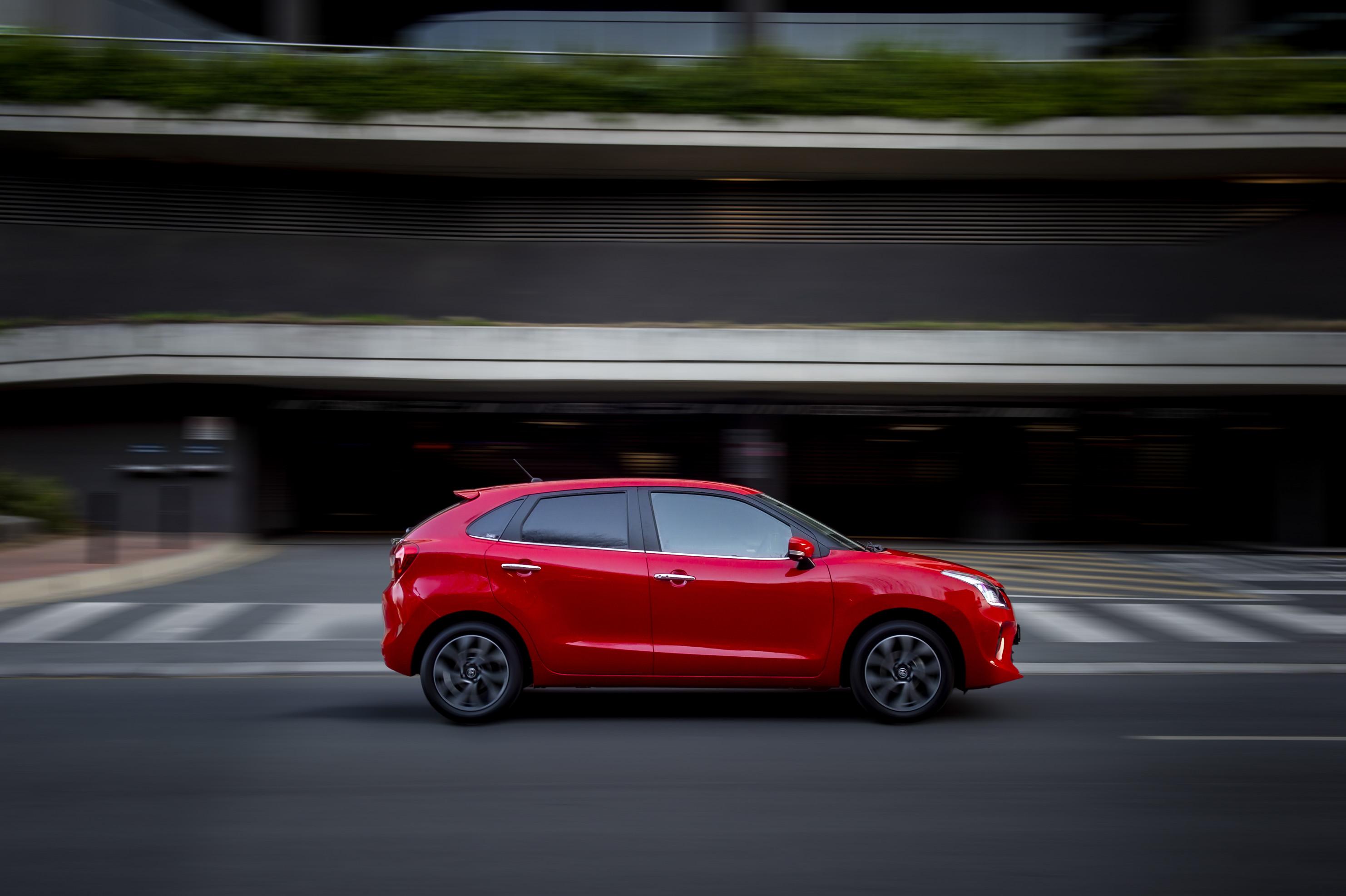
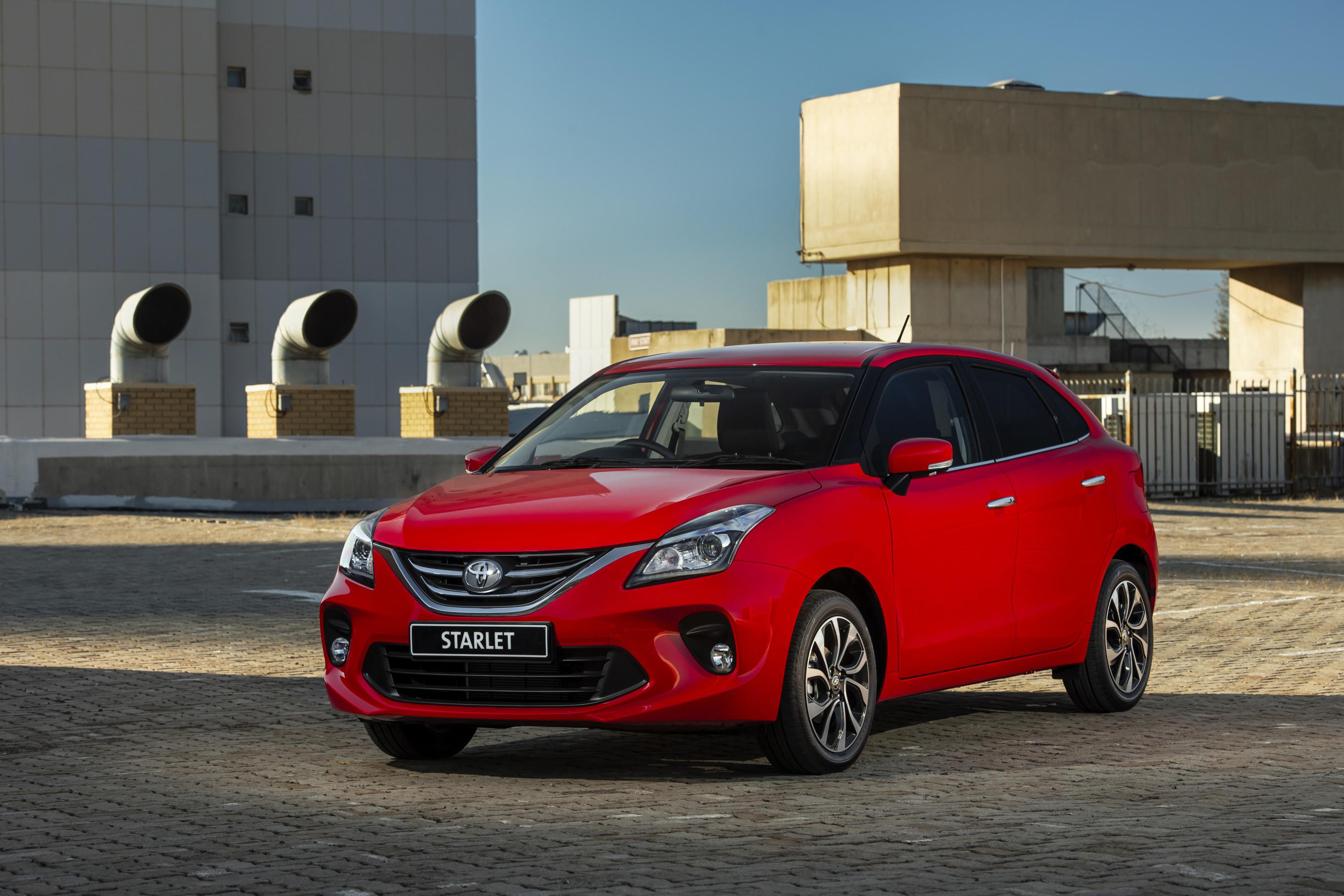
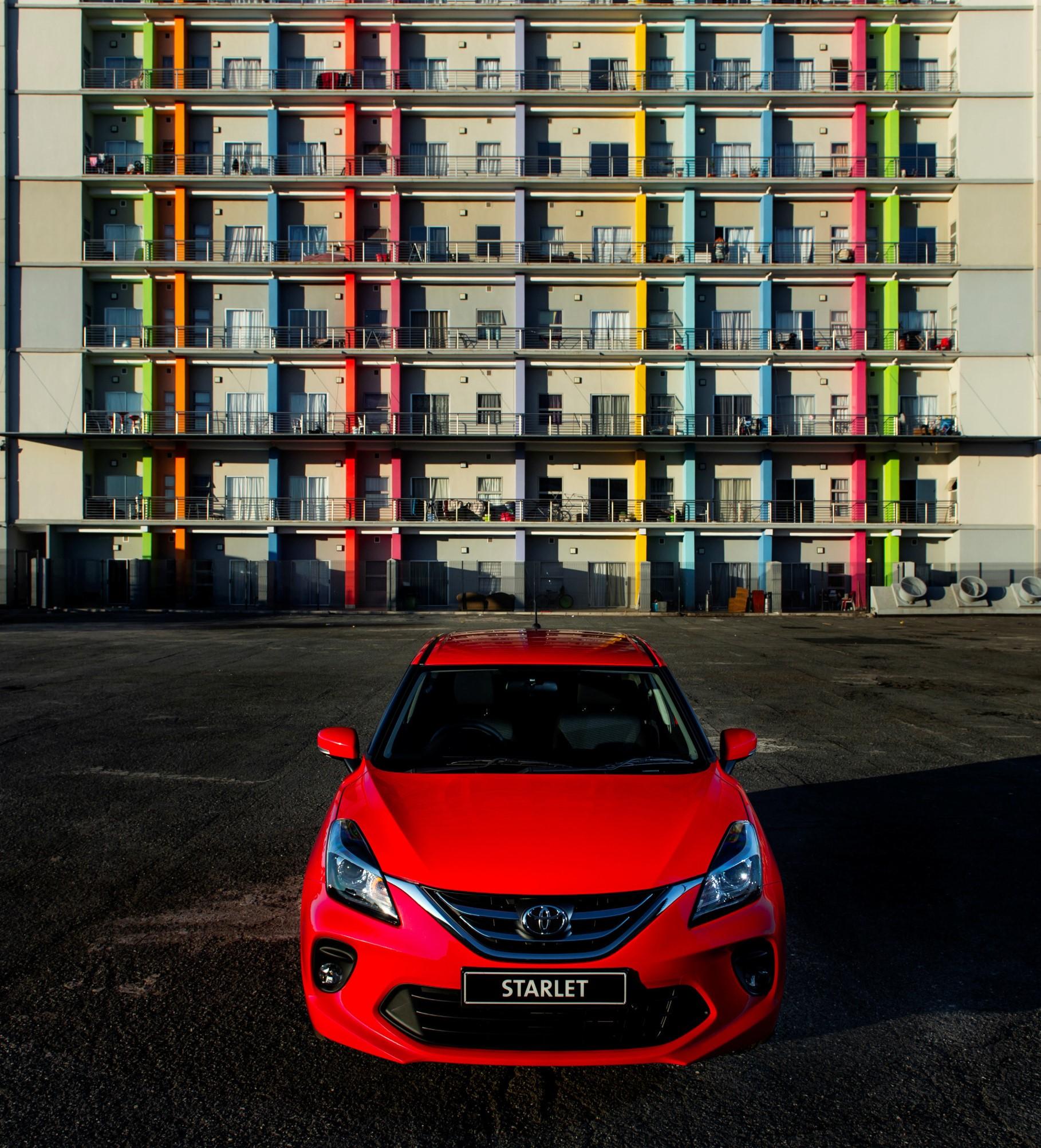
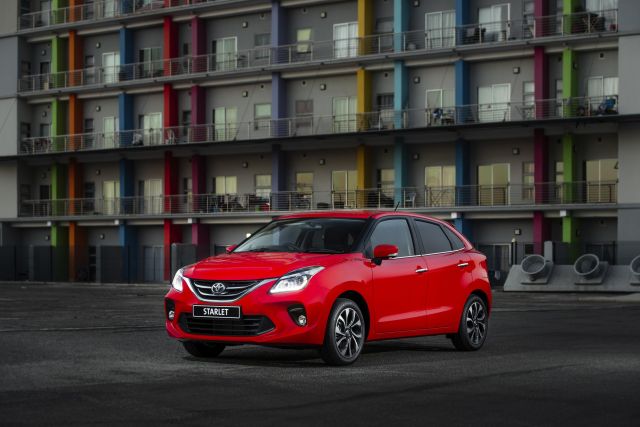
Toyota has introduced a rebadged Suzuki Baleno to fill the gap left by the discontinued Etios.
Toyota and Suzuki recently announced this joint venture where Suzuki would benefit from Toyota’s hybrid technology and autonomous driving, while Toyota would get access to compact vehicles, a Suzuki strength.
Toyota says joint ventures, mergers, acquisitions and cross-brand partnerships are the driving forces of an ever-increasing global market. More recent examples are Toyota and BMW (Toyota Supra/BMW Z4 and Toyota Aygo/Peugeot 108/Citroën C1).
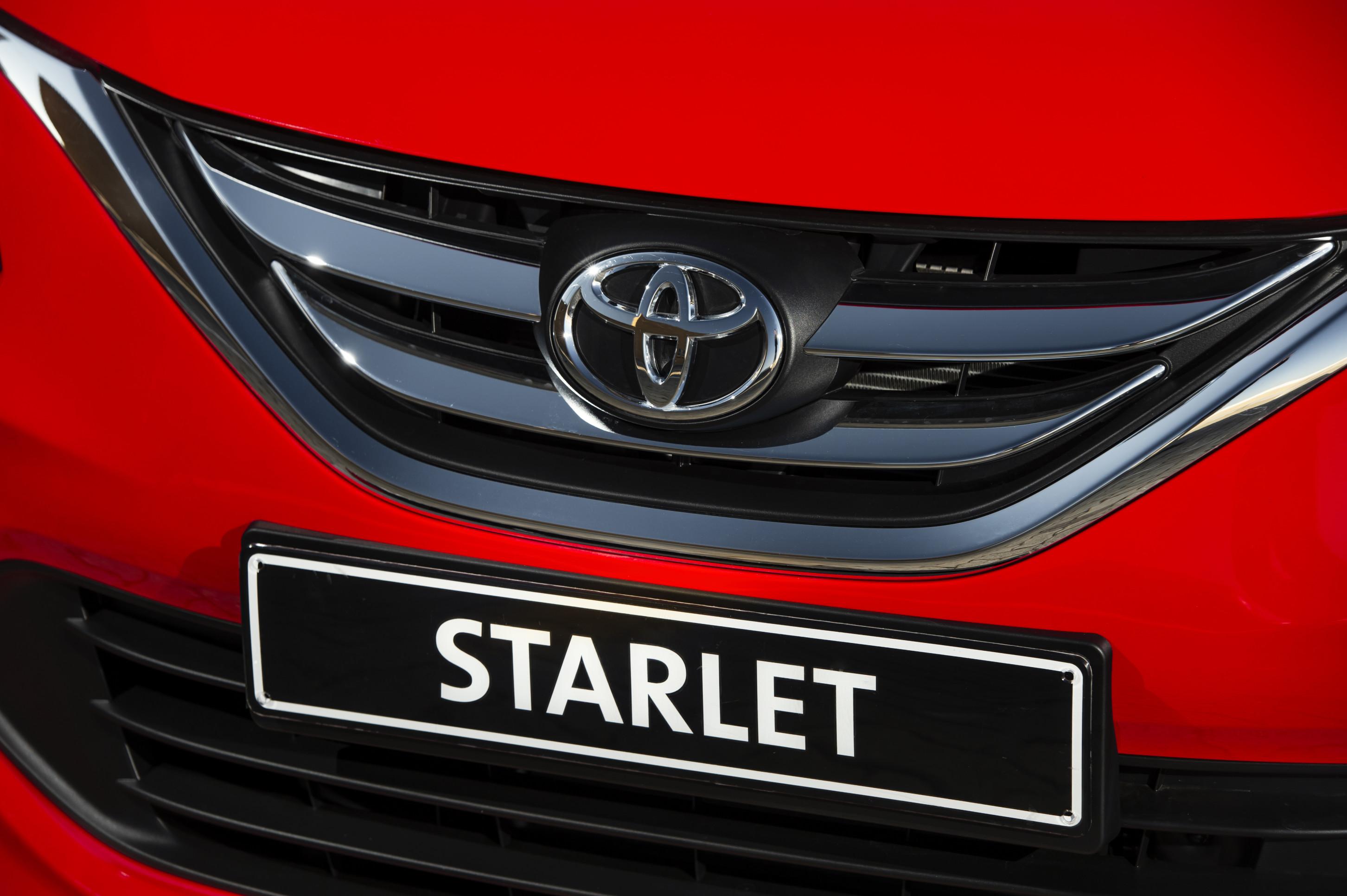
Toyota decided on the Starlet nameplate, which is part of the manufacturer’s hatchback history from 1973 in the Japanese domestic market for five generations, ending in 1999.
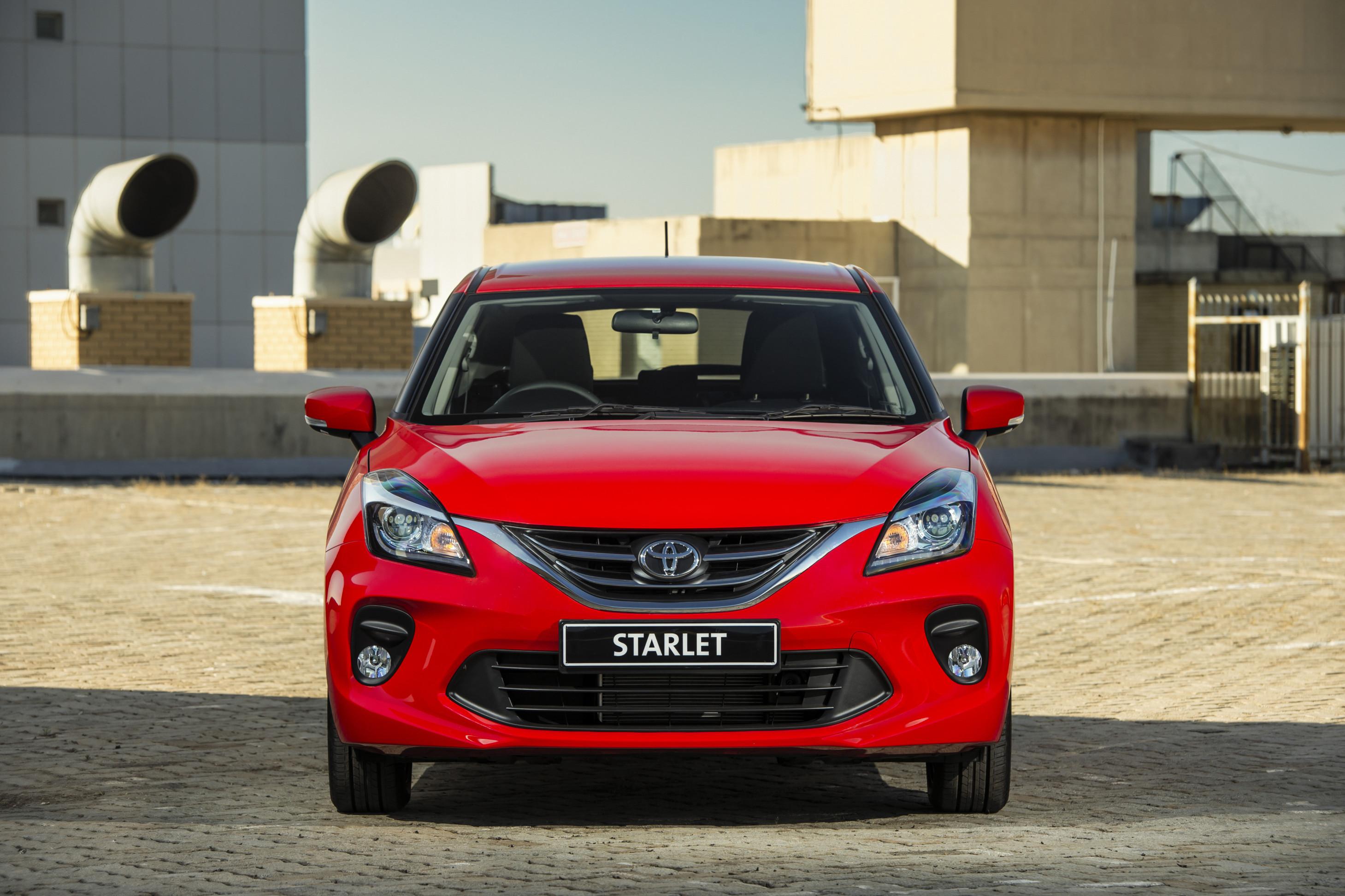
Like the Baleno, the exterior follows a classic hatchback profile, with a short, downward-sloping nose with a v-shaped front grille in Toyota-specific finishing.
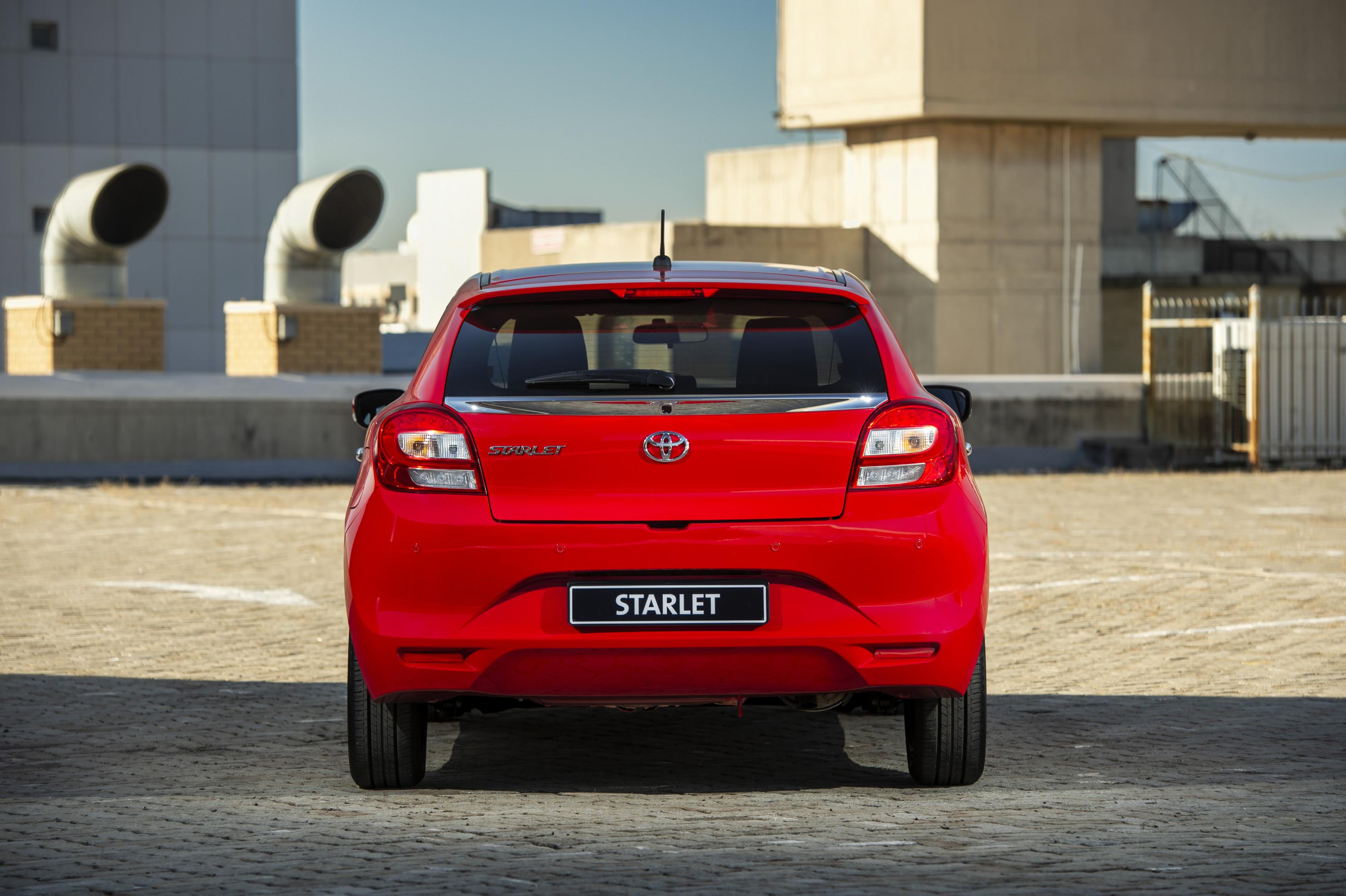
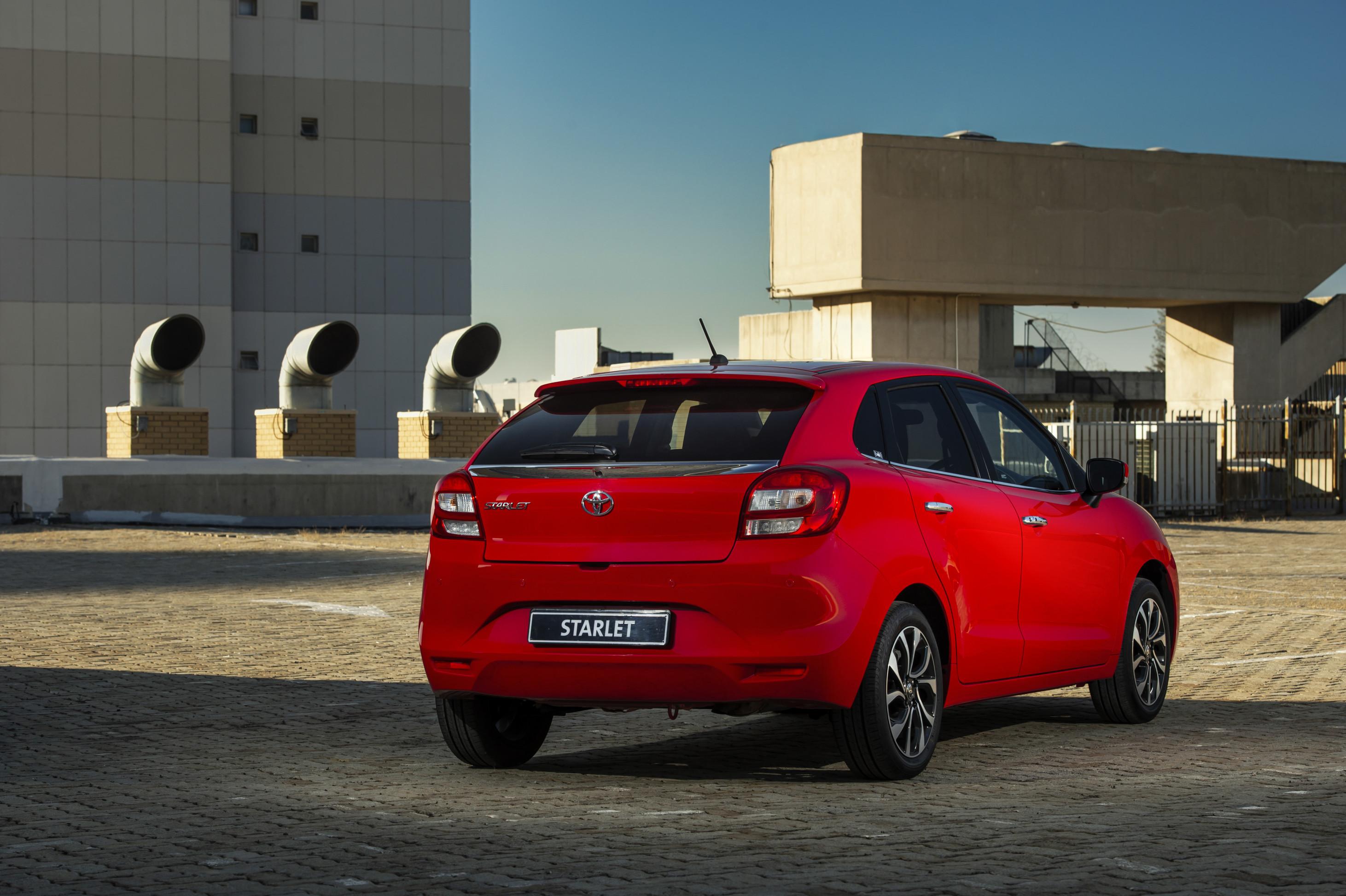
The rear design centres on the large LED tail lamps with red and translucent accents. These are joined by a stylish chrome garnish strip and trapezoidal indent in the lower bumper section.
Inside the Starlet is spacious and in the centre in front is a ‘hang-down’ section of the dashboard with the neat grouping of the ventilation, infotainment and climate-control switchgear. In the centre is Multi-Information Display (MID) and dual analogue gauges.
A chunky three-spoke steering wheel incorporates steering switches and cruise control (where equipped).
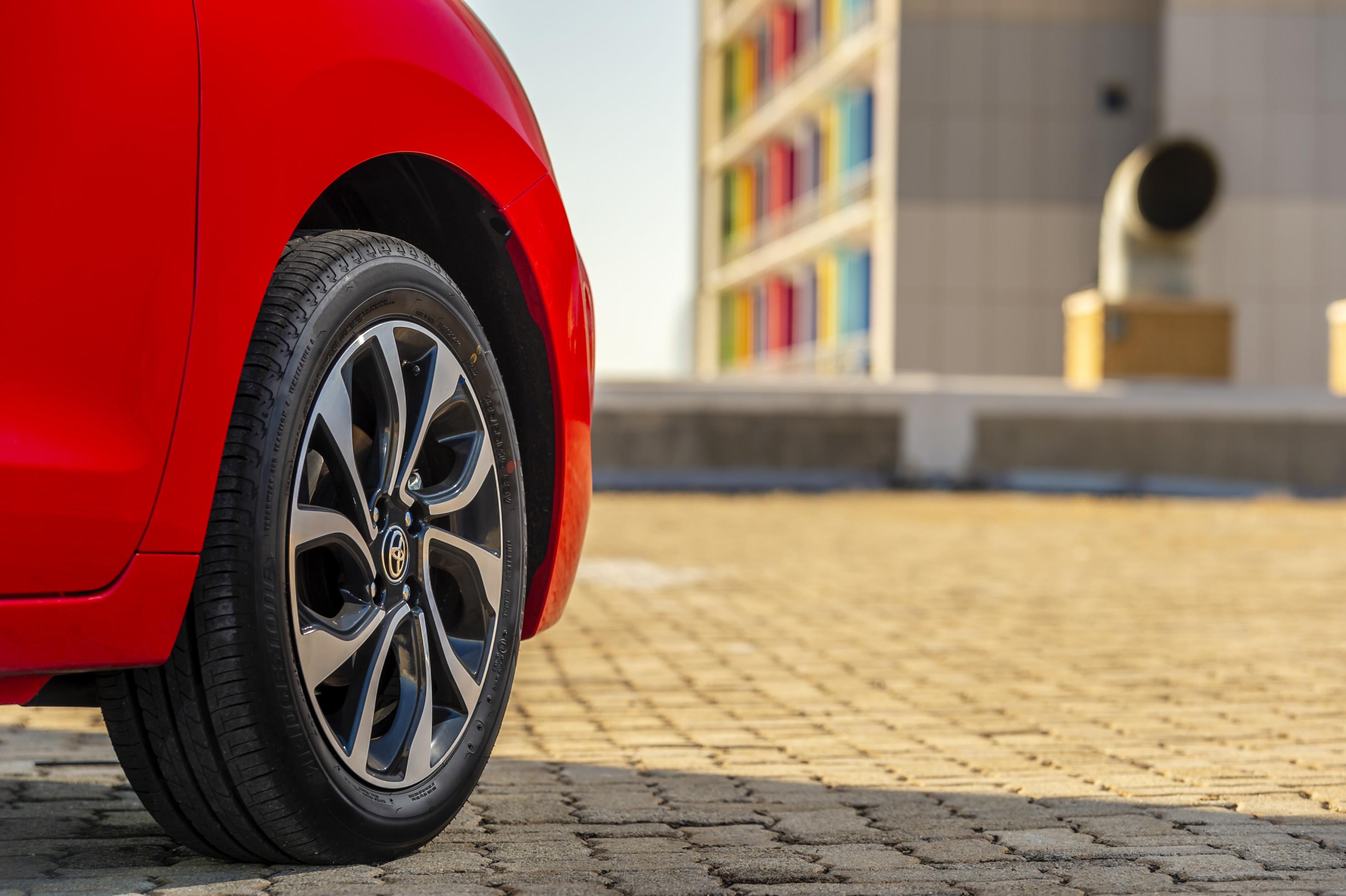
The Xi model is equipped with 15” steel wheels shod with 175-65R15 tyres and a space-saver spare wheel. Xs and Xr variants feature stylish turbine-shaped 16” alloy wheels with 185-55R16 rubber.
Powering the Starlet is a 1.4-litre DOHC four-cylinder engine. Featuring Variable Valve Timing (VVT) and a tumble-flow intake manifold, the engine exhibits a rev-happy character and makes light work of the daily commute. Power output is pegged at 68 kW and 130 Nm.
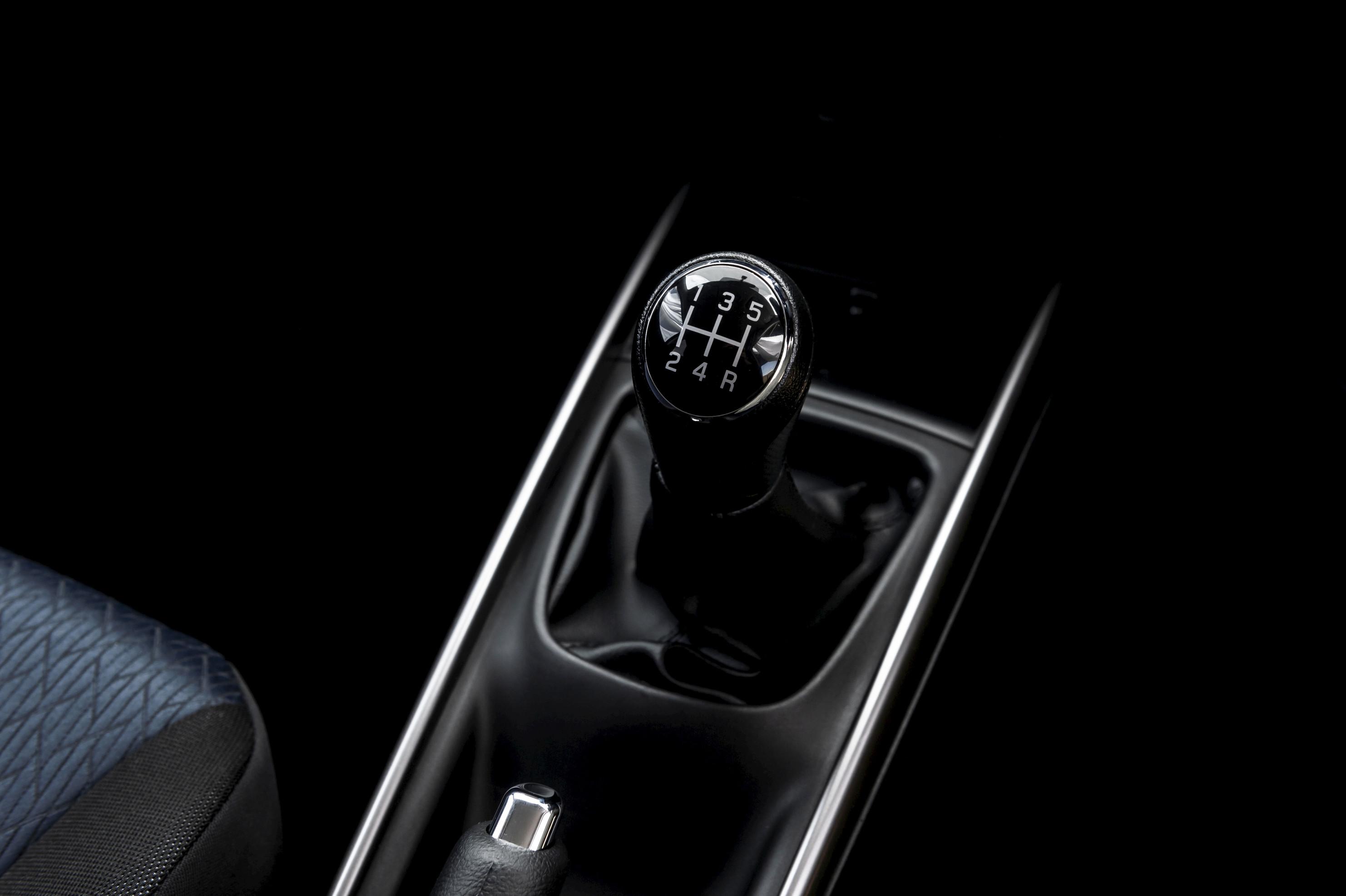
Two transmission choices are on offer, a 5-speed manual and 4-speed automatic, all driving the front wheels. The obligatory 0-100 km/h dash is dispatched in 10.9 s for the manual and 11.6 s for the auto variant.
A three-grade strategy has been adopted using the familiar Xi, Xs and Xr symbols used across Toyota’s other passenger-car ranges. Despite serving as the entry point to the Starlet range, the Xi model is generously specced with the Xs model adds alloy wheels. The flagship Xr models receive the full package, including LED + Projector headlamps with daytime running lights (DRL), side-mirror mounted indicators and a roof spoiler. Moving to the interior, the spec level is amped up courtesy of a digital speedometer with colour MID, park distance control (PDC), reverse camera, climate control and push-start operation. Cruise control is also provided.
Xi and Xs models feature a double-DIN audio system with CD/Bluetooth/USB/Aux functionality, playing through six speakers. Xr models offer a feature-rich touchscreen audio system complete with Android Auto and Apple CarPlay integration for navigation, telephone and music-streaming services.
All Starlet models are also equipped with the Toyota Connect telematics system, which includes an in-car Wi-Fi hotspot and complimentary 15GB data. Once linked to their profile, customers can manage their vehicle via the MyToyota App.
This intuitive app allows on-demand service bookings, vehicle information and history, tracking data as well as Toyota Connect data recharge services and much more.
When it comes to pricing, the Starlet undercuts its Baleno clone somewhat, but the Suzuki makes up for it in a longer warranty and longer service plan than is the case with the Starlet.
Starlet 1.4 Xi MT (R204 900)
Starlet 1.4 Xs MT (R215 200)
Starlet 1.4 Xs AT (R235 700)
Starlet 1.4 Xr MT (R258 500)
Starlet 1.4 Xr AT (R272 500)
CMS Systems is celebrating 25 years in business, marking a significant milestone for a company that has become a central player in automotive retail technology.
Oil prices jumped on Wednesday after Iran's seizure of container ships in the strait.
Hyundai Motor is preparing an aggressive comeback in China, unveiling plans to launch 20 new vehicles over the next five years as it tries to rebuild its position in the world’s largest car market.
 Advertisement
 Advertisement
I have bad reflexes. I was once run over by a car being pushed by two guys
Woody Allen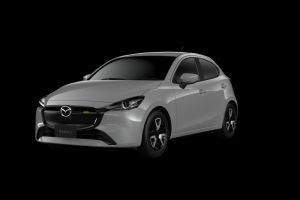
Mazda Southern Africa has refreshed its long-standing Mazda2 range for 2026, introducing styling updates, added technology and improved value for the brands entry level line-up.
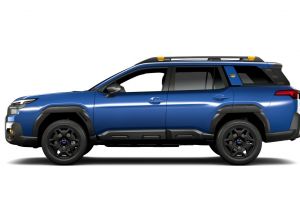
Subaru’s all-new seventh-generation Outback has already begun building strong international momentum ahead of its arrival in the local market later this year.
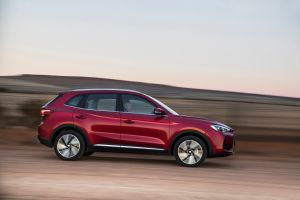
MG Motor South Africa has added two new models to its local range with the introduction of the MG3 hatchback and MG ZS Pro compact SUV or crossover.