Msibi attributes his optimism to the continuing recovery of local and global economies from the COVID-19 pandemic.
“As the South African GDP continues to take strain and our inflationary forecast sees two interest rate increases within the next six months, we believe the situation in the local economy will begin to improve with decreases in the repo rate and that the economy will normalise in 2024,” Msibi recently wrote.
He said it was expected that the supply shortage of certain automotive components such as semiconductors would improve in the medium term and that the current logistical turmoil in the world would ease. He was also positive that shipping costs would drop. “These developments will help world economies, including South Africa, by cutting operating costs,” wrote Msibi.
Msibi also anticipated that when China fires on all cylinders again after its zero COVID-19 policy and plant shutdowns that this would positively impact the entire global automotive industry and its related economies.
“The improving global and local economic situations will be beneficial in improving vehicle affordability, but locally there are calls from consumers and industry commentators for the government to cut duties and taxes to improve affordability. However, the government’s finances are currently so constrained that it will be hard pressed to make these cuts. I believe what is needed are infrastructural projects that will not only boost the economy but also create jobs and much-needed employment. This, in turn, will mean more people paying tax to grow the fiscus,” suggested Msibi.
“There has been a substantial increase in market activity in 2022 compared to 2021, evidenced by surprisingly good new vehicle sales figures, and we expect this activity to grow in 2023, to the benefit of consumer,” he said.
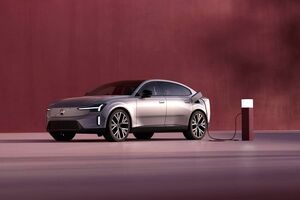
Msibi also touched on New Energy Vehicles (NEVs). “While continuing with the theme of forward thinking, NEVs, which use expensive batteries, are creating a whole new world for vehicle finance. At this stage, the complete car will be financed, but depending on risk assessment over time, it could result in separate financing for the car without the battery and financing the battery separately. This could give rise to an adjacent market, as is the case with us financing a warranty or replacement tyres.”