
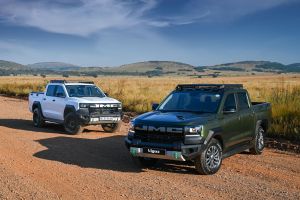
New JMC Vigus will make an impression
Following the official brand re-launch by the Salvador Caetano Group, JMC South Africa announce the arrival of the All-New JMC Vigus.
- Product News
- 17 April 2026
Poland has expanded its security protocols by blocking Chinese‑made vehicles from entering its military sites, a decision driven by fears that modern in‑car technologies could be exploited to harvest sensitive data.
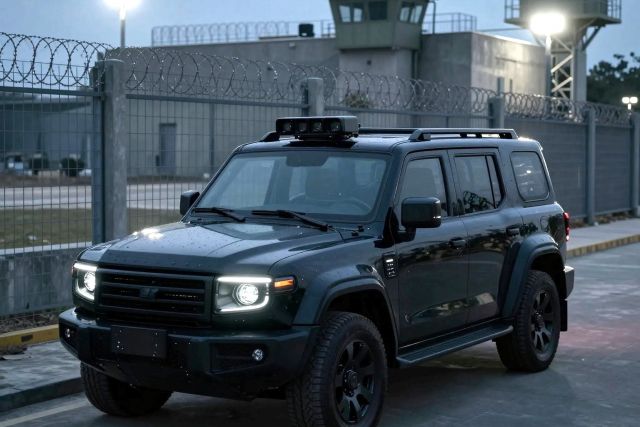
The Polish Army warned that the combination of cameras, microphones and location‑tracking systems in contemporary vehicles poses a risk of “uncontrolled acquisition and use of data,” potentially exposing defence operations to foreign surveillance.
Officials confirmed that entry may still be permitted if manufacturers can demonstrate that data‑recording features have been fully disabled and facility‑specific safeguards are met. In addition, military personnel have been instructed not to connect official devices to infotainment systems in cars produced in China to minimise the risk of information leaks through embedded software.
These steps mirror broader NATO practices as European nations reassess vulnerabilities linked to rapidly evolving automotive technologies. Analysts highlight that the move reflects a growing shift across Europe to tighten counter‑espionage protections amid heightened geopolitical tension and an uptick in security incidents involving surveillance technologies.
The restrictions apply only to secure military zones, meaning public‑facing institutions such as hospitals, garrison clubs and libraries remain unaffected. This distinction acknowledges that such locations carry a significantly lower risk of exposing operational intelligence.
Polish defence officials also indicated they are developing a vetting mechanism that could eventually replace the blanket ban, allowing approved manufacturers to receive security clearance for controlled access.
China has previously criticised similar actions internationally, arguing that national‑security concerns are sometimes overstated. Nonetheless, Warsaw’s decision aligns with increasing Western scrutiny of connected technologies linked to foreign manufacturers, particularly where data‑collection capabilities intersect with defence infrastructure.
Following the official brand re-launch by the Salvador Caetano Group, JMC South Africa announce the arrival of the All-New JMC Vigus.

Jetour South Africa hosted its inaugural Dealer of the Year Awards on Tuesday night, bringing together its national dealer network of nearly 60 dealerships.

South Africa’s motorists and automotive sector are facing a fresh layer of uncertainty as the Middle East conflict continues to disrupt global oil markets, but for now the country’s fuel supply remains stable even as costs rise.
 Advertisement
 Advertisement
Have you ever noticed that anybody driving slower than you is an idiot, and anyone going faster than you is a maniac?
George Carlin
South Africa’s motorists and automotive sector are facing a fresh layer of uncertainty as the Middle East conflict continues to disrupt global oil markets, but for now the country’s fuel supply remains stable even as costs rise.

Stellantis has struck a five year strategic partnership with Microsoft as it accelerates its shift towards software defined vehicles and digital services.
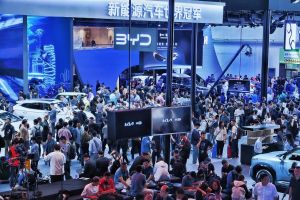
Auto China 2026 marks another milestone in the evolution of an event that has tracked China’s rise from emerging market to global automotive powerhouse.