
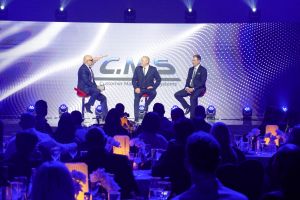
CMS Systems marks 25 years in automotive retail technology
CMS Systems is celebrating 25 years in business, marking a significant milestone for a company that has become a central player in automotive retail technology.
- Industry News
- 24 April 2026
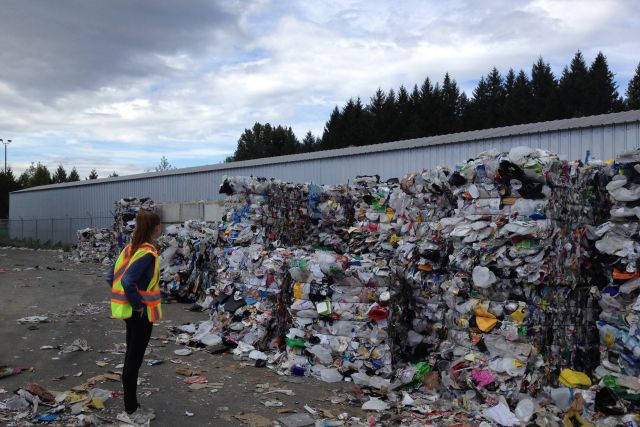
Reduce, reuse and recycle. This is the message Volkswagen Group South Africa (VWSA) continues to reiterate in an effort to beat plastic pollution.

Plastic pollution in the Nelson Mandela Bay Metro, where the Volkswagen Kariega manufacturing plant is based, has become a major concern.
“I have noticed the increase in land pollution in most parts of the Metro every day when I travel from home to our plant in Kariega. This is extremely worrying as we know land pollution often ends up in the ocean, causing harm to sea life,” says Ulrich Schwabe, Production Director at VWSA.
Ulrich says VWSA is on a mission to change attitudes and influence employees, suppliers and customers to rethink plastic usage and disposal.
“We are striving to reduce plastic waste, and we are working with our employees and suppliers on finding solutions to reduce the plastic packaging, in which our parts are shipped, by at least 5% by the end of 2023.”
Since January this year, VWSA has already reduced plastic packaging by more than nine tons. “We continue to work with suppliers to find alternative packaging and to further reduce one-off plastic usage without compromising the protection of our parts,” he says.
Waste separation bins have been placed inside the Kariega plant’s production areas to allow for separation at source to take place and prevent contamination of waste streams.
Similar waste separation bins are placed in the employee car park to encourage employees to bring recyclable waste from home. Common waste streams include plastic, glass, tin and paper.
Over a ten-year period, the company has reduced its energy consumption and carbon dioxide (CO₂) emissions by almost half. The water usage and waste reduction declined by 65% and 66% respectively, while solvent emissions reduced by 31%. “In total, our environmental impact has reduced by over 50% since 2010,” Ulrich explains.
CMS Systems is celebrating 25 years in business, marking a significant milestone for a company that has become a central player in automotive retail technology.
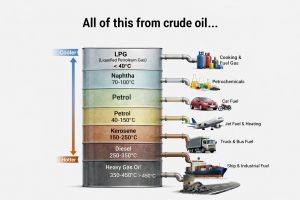
Oil prices jumped on Wednesday after Iran's seizure of container ships in the strait.
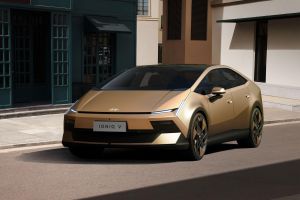
Hyundai Motor is preparing an aggressive comeback in China, unveiling plans to launch 20 new vehicles over the next five years as it tries to rebuild its position in the world’s largest car market.
 Advertisement
 Advertisement
I have bad reflexes. I was once run over by a car being pushed by two guys
Woody Allen
CMS Systems is celebrating 25 years in business, marking a significant milestone for a company that has become a central player in automotive retail technology.
Oil prices jumped on Wednesday after Iran's seizure of container ships in the strait.
Hyundai Motor is preparing an aggressive comeback in China, unveiling plans to launch 20 new vehicles over the next five years as it tries to rebuild its position in the world’s largest car market.