Volkswagen’s team in South Africa has done what it can to overcome what VW AG’s CEO of Passenger Cars Brand, Thomas Schäfer, called an "uphill battle", and ultimately the South African government needs to step up to solve the problems.
Share with friends
These strong words and warning about the future of the company's operations in South Africa were made against the background of the situation of the manufacturer’s plants in Europe. Issues regarding high costs and low productivity in Europe make Volkswagen’s cars uncompetitive, according to news reports. This will lead to staff reductions in Europe as part of a savings programme it was announced.
About the current situation in South Africa, Thomas said during a visit to the country that the German automaker has been in South Africa for nearly 80 years. “Factors like competitive labour costs once placed it among the company's higher-ranking bases globally.
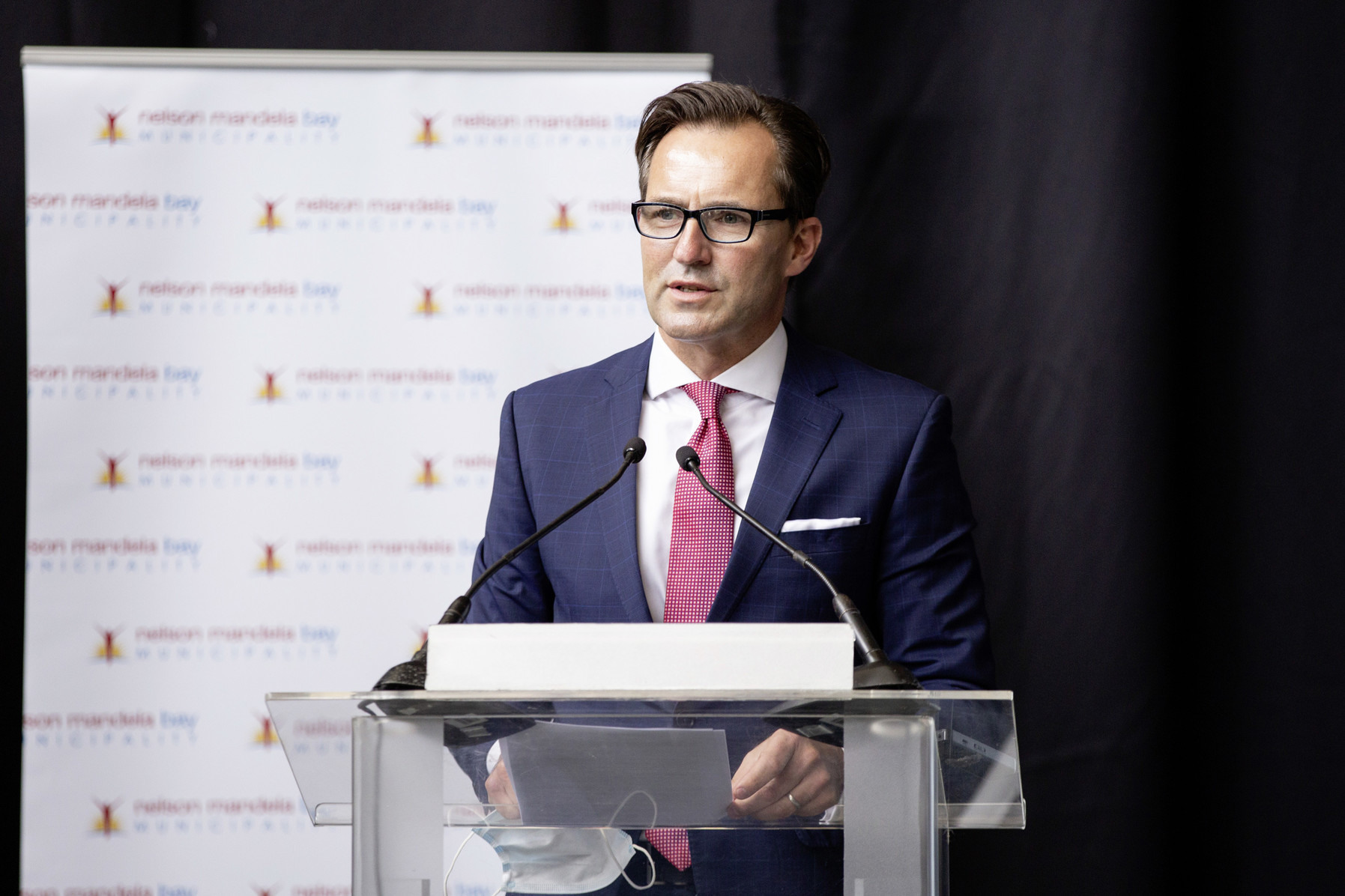
Thomas Schäfer (CEO of Passenger Cars Brand VW AG).
“But the cost of debilitating power outages caused by chronic production shortfalls at state-owned utility, Eskom, as well as rising labour costs and logjams on railways and at ports have eroded that advantage.
“Eventually you have to say, why are we building cars in a less competitive factory somewhere far away from the real market where the consumption is? I'm very worried about it... We are not in the business of running a charity," he says.
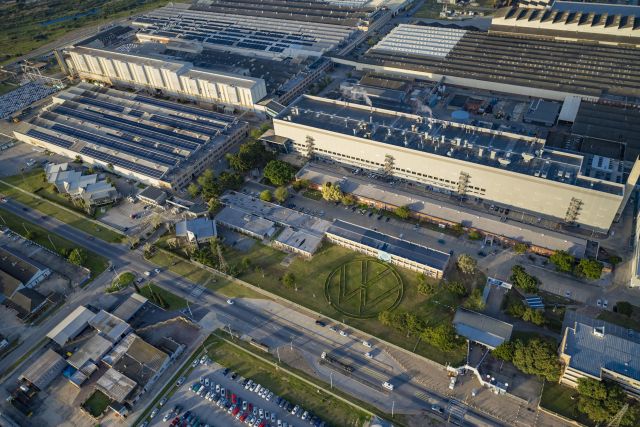
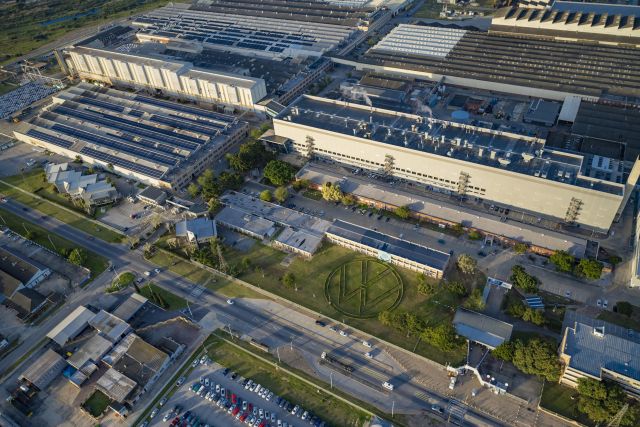
Volkswagen produced some 132 200 Polo and Vivo models at its South African facility in Kariega (formerly Uitenhage) last year, most of them for the export market.
Those export markets are now at risk of disappearing as wealthy countries move to electric vehicles (EVs). The European Union and Britain are planning to ban the sale of new internal combustion vehicles from 2035.
Thomas said there were no current plans to introduce EV manufacturing in South Africa, since electric cars are currently priced out of the reach of most domestic consumers. Producing them for export would not be environmentally sustainable.
“However, with the proper government policies aimed at leveraging the country's proximity to critical minerals like lithium and cobalt, it could become a battery-manufacturing hub. There is a realistic chance that South Africa, with enough focus, with all the raw materials in the neighbourhood, could be a champion," Thomas says.
A local spokesperson for Volkswagen South Africa told Dealerfloor that the cost-saving programme mentioned in reports, only applied to Germany.
With the launch of what is believed to be the first South African app in ChatGPT, Naked is signalling how AI assistants could reshape financial services.
Ford South Africa will expand its Everest line-up in late 2026 with the arrival of the Everest Tremor. This new variant is positioned as a more off-road capable model, building on the success of the Ranger Tremor while retaining the refinement expected from the Everest range.
With the launch of what is believed to be the first South African app in ChatGPT, Naked is signalling how AI assistants could reshape financial services.
Mazda Southern Africa has promoted Kyron Pather to Head of Operations (Sales & Service). The appointment strengthens the company's operational leadership as it looks to improve performance across its dealer network and aftersales business.
Nampo Harvest Day near Bothaville in the Free State has always been the place where South Africa’s farming community gathers to see the latest machinery and, importantly, new bakkies.