
Why insurance premiums differ for the same car
Two South Africans can drive the same make and model of car yet pay very different monthly insurance premiums.
- Industry News
- 23 April 2026
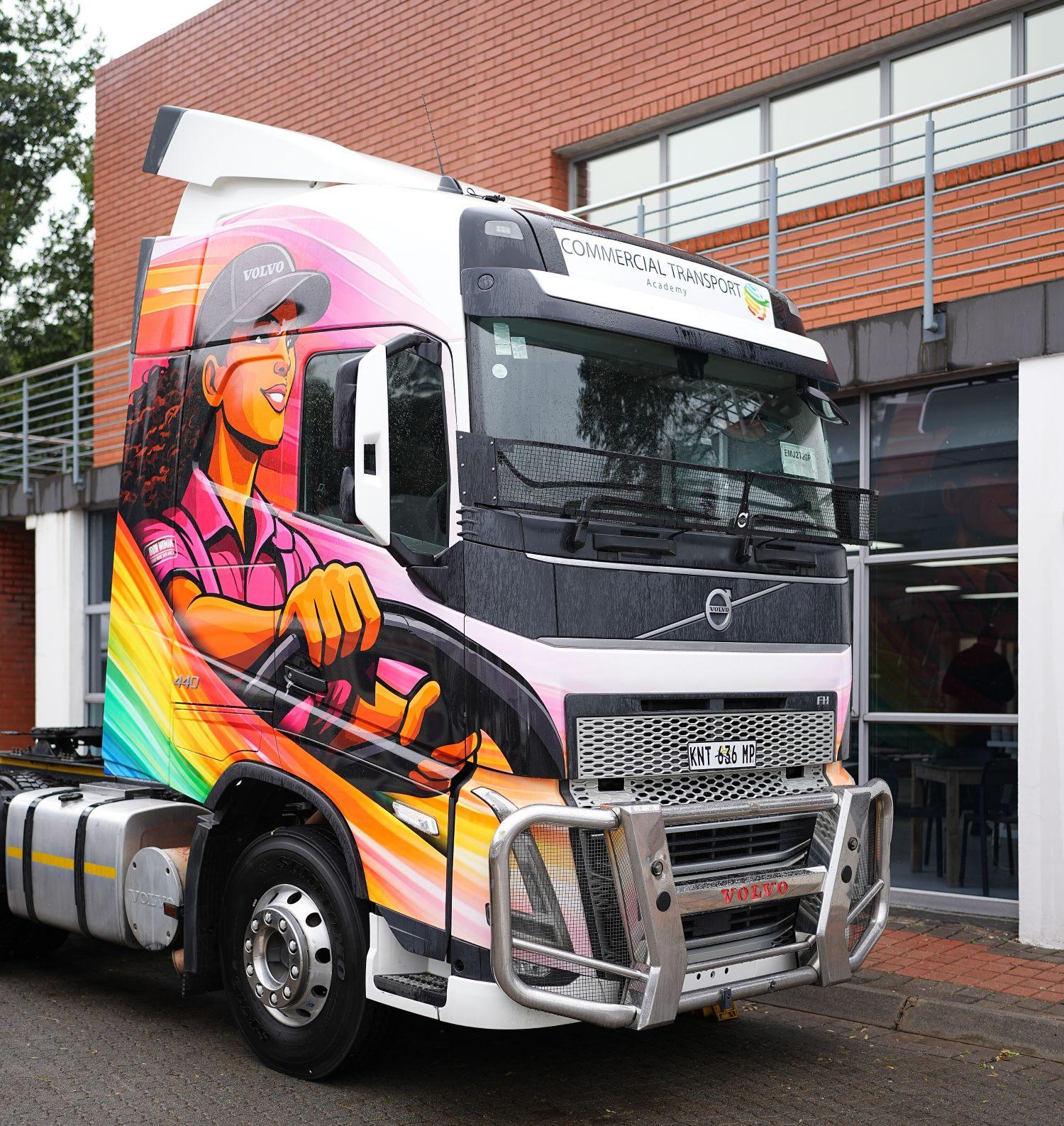
Volvo Trucks South Africa has donated a new FH440 truck-tractor unit to the Commercial Training Academy (CTA) for use in their women truck driver development programmes.
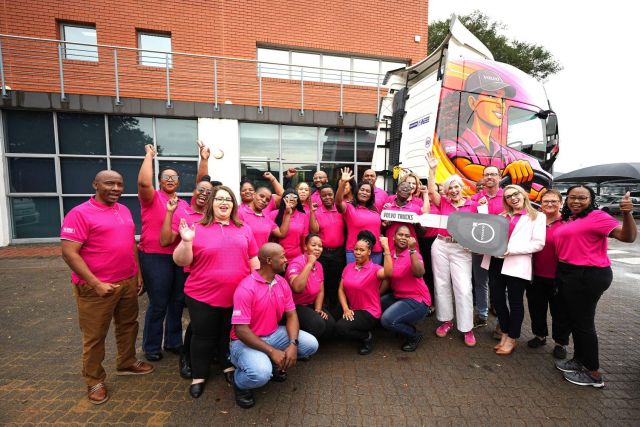
Since 2019, Volvo Trucks’ Iron Women programme has trained 556 women to become fully qualified truck drivers. The current intake consists of 14 women, who are part of a 12 month-long training programme that focuses on aspects like vehicle operation, load management, business principles and EyeGym for advanced brain, eye and hand coordination.
Whilst transport contributes about 6.5% to employment creation in South Africa, women are severely underrepresented and make up only 22% of those employed in the sector.
“Women represent a largely untapped talent pool, and since the inception of Iron Women, we have seen that more and more fleets are now actively recruiting female drivers,” Onica Ndlovu, Director Commercial Offer at Volvo Trucks South Africa, says. “Female truck drivers serve as visible role models in communities where girls are still steered away from technical or physical careers. It shifts perceptions, for employers, communities, and the next generation of girls watching.”
Studies and fleet operator feedback consistently show that female drivers tend to have fewer accidents, handle cargo more carefully, and demonstrate stronger communication with dispatch and clients.
“Women drivers have shown to be extremely resilient. They are not afraid to work hard, and often under tough conditions and long hours, to ultimately transport loads safely and efficiently,” says Onica. “For women, truck driving represents a path to financial independence that bypasses traditional qualification barriers. It is clear that representation matters. For the trucking industry to thrive, especially in a market like South Africa where logistics infrastructure is critical, it simply can't afford to ignore half the population.”
Nicci Scott, Founder and Director of CTA, has been a longtime proponent and advocate for more women truck drivers in the industry.
“We believe in creating social upliftment for talented women by closing the gap through quality training and practical experience,” Nicci says. “But this is more than just a training initiative, it is a strategic talent pipeline. While some in the industry initially 'ticked a box' or tentatively tested the waters, they have been met with an undeniable reality that women drivers are exceptionally resilient.”
Nicci says the best drivers combine technical precision with the mental fortitude required for a demanding logistics environment.
“The support from a company of Volvo Trucks' calibre is vital because it doesn’t help women or the industry to train on equipment that isn't industry-spec,” Nicci comments. “To meet the high expectations of modern employers, drivers need direct exposure to the sophisticated vehicles they will actually encounter in the workplace. This is how we ensure they hit the ground running as high-performing assets for any fleet.”
Nicci says that truck driving is a “a high-stakes, skilled profession. “We are moving past the narratives of 'male-dominated fields' and focusing on performance. This environment requires a willingness to operate under intense pressure and stressful conditions, traits our graduates possess in abundance. For these women, the road isn't just about 'freedom', it’s about mastering a complex machine and proving that they have the grit to thrive in one of the most demanding sectors of our economy.”
Two South Africans can drive the same make and model of car yet pay very different monthly insurance premiums.

Innovation met mobility as Hyundai Pinetown redefined industry benchmarks by hosting a historic live outside radio broadcast from a moving vehicle.

Supporting the Pope on Africa soil in or on vehicles assembled on the continent, is the story of OPAIA Motors.
 Advertisement
 Advertisement
Have you ever noticed that anybody driving slower than you is an idiot, and anyone going faster than you is a maniac?
George Carlin
Two South Africans can drive the same make and model of car yet pay very different monthly insurance premiums.
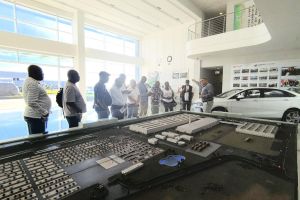
BAIC Automobile South Africa hosted a high-level delegation from the Motor Industry Association of Zimbabwe (MIAZ), alongside key representatives from Zimbabwe’s automotive, labour, government, and business sectors, at its Gqeberha manufacturing plant.
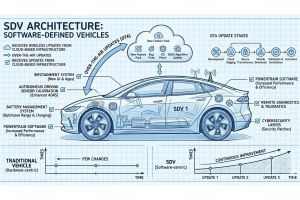
Software defined vehicles, commonly known as SDVs, represent a major shift in how cars are designed, built and improved.