A recent Volvo Car South Africa survey sheds light on seatbelt-wearing habits among local motorists and passengers. The findings revealed a concerning trend among younger individuals, many of whom avoid using their seatbelts. Additionally, the survey highlights notable differences in buckling up between genders.
- Cool factor: men care more about what others think of them:
The ‘cool factor’ influences men’s seatbelt usage far more than women’s. Some 19% of men believe wearing a seatbelt isn’t necessary—or cool—when parking or driving in “safe areas”. This is amplified when other passengers aren’t wearing their seatbelts, suggesting that men are more easily influenced when it comes to not buckling up. Interestingly, many men associate seatbelt usage with “bad drivers” or nervous passengers. Only 8% of female motorists and passengers share the same sentiments.
- Differences when seated behind the wheel:
According to the survey, women are more likely to travel in a car as passengers, while men are more often behind the wheel. Regarding seatbelt usage, 21% of men admitted they don’t always wear it, compared to just 12% of women. This more cautious approach to road safety extends to other areas as well.
For example, of the individuals surveyed, women consider themselves superior drivers, with 49% rating themselves a perfect “5/5” for driving skills, compared to just 43% of men. Interestingly, men are more likely to break traffic rules than their female counterparts.
About 38% of men surveyed admitted to speeding, compared to 22% of women. Similarly, 28% of men reported using mobile phones while driving, versus 21% of women. These findings suggest that women are less likely to engage in risky behaviour behind the wheel, prioritising safer and more cautious driving habits.
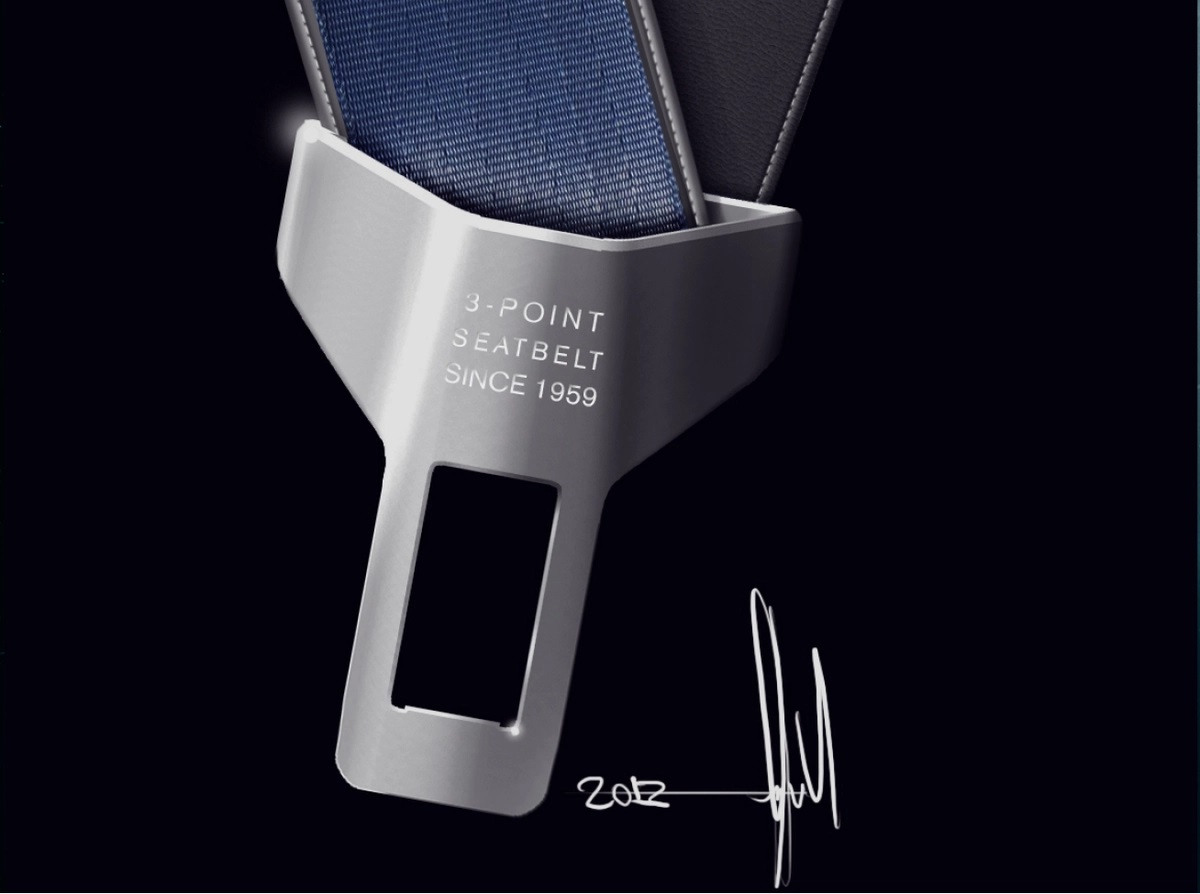
"Seatbelts save lives, yet too many people still neglect this simple safety measure,” comments Felipe Yagi, Head of Marketing & Communications at Volvo Car South Africa. “Whether you’re driving, or you’re a passenger, in the front or back, wearing a seatbelt drastically reduces the risk of injury or death. It’s a life-saving habit no one can afford to ignore."
- Differences between men and women as passengers:
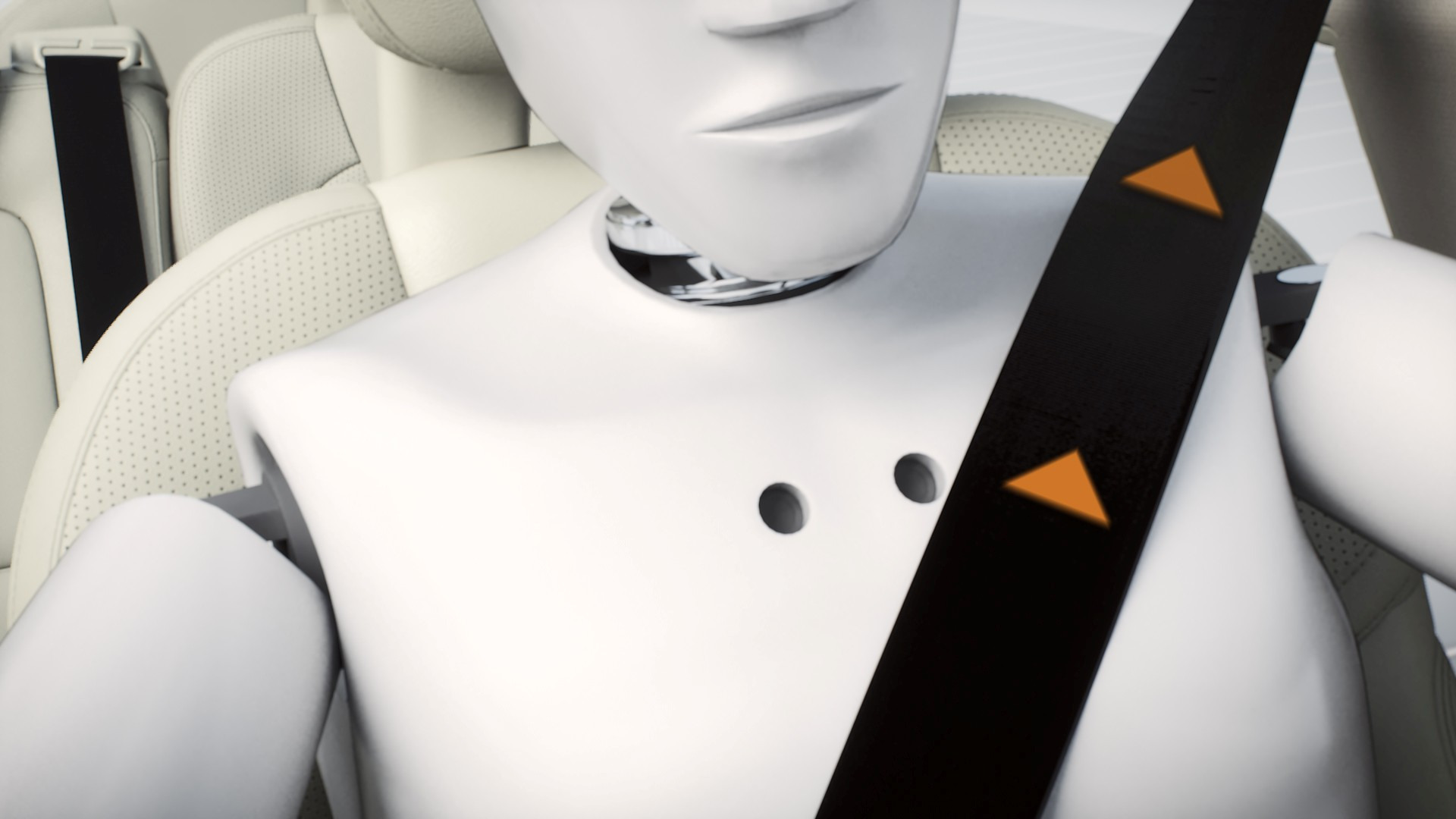
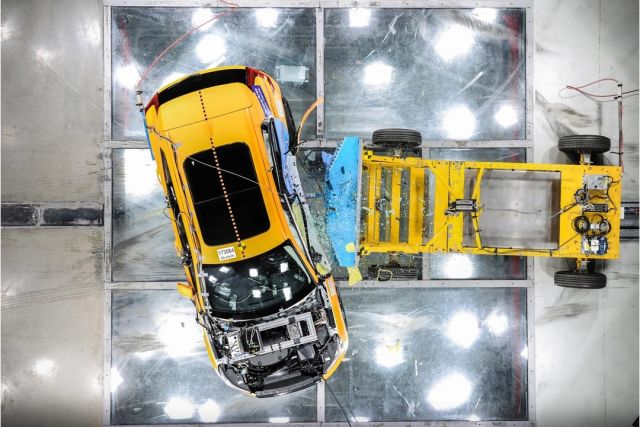
Seatbelt usage shows an interesting shift when we compare drivers with passengers. Women are more likely to buckle up as drivers or front-seat passengers, while men are more inclined to wear their seatbelts in the rear of the vehicle. Recognising the physiological differences between males and females, Volvo has taken a pioneering approach to crash testing.
Since 1995, the Swedish automaker has used female crash test dummies and, in the early 2000s, pioneered the use of a virtual pregnant woman model. Additional innovations include a mid-size female dummy for whiplash testing, among other things, ensuring its safety measures are not just effective but inclusive.
- False security of being close to home:
Many motorists remove their seatbelts when driving close to home, feeling more relaxed on familiar roads or within their neighbourhood. However, research by the National Highway Traffic Safety Administration (NHTSA) reveals that most fatal accidents occur within 40km of a person’s home and at speeds of less than 64km/h, underscoring the danger of complacency on even short trips.
Despite the evidence, 48% of men say they “sometimes or never” use their seatbelts when driving close to home, compared to 36% of women. “This data is a stark reminder that danger often lies where we feel safest—on familiar roads close to home. A seatbelt isn’t just for long trips or high speeds; it’s a life-saving measure for every journey, no matter how short or routine,” concludes Felipe.
Take a look at:
https://www.volvocars.com/en-ca/safety/research/
https://www.nhtsa.gov/vehicle-safety/seat-belts