
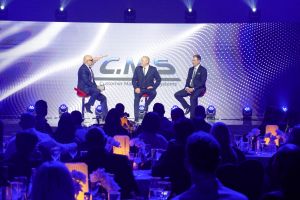
CMS Systems marks 25 years in automotive retail technology
CMS Systems is celebrating 25 years in business, marking a significant milestone for a company that has become a central player in automotive retail technology.
- Industry News
- 24 April 2026
Dealerfloor recently reported that Volvo Car South Africa is restructuring its operations in the country as part of a long-term brand strategic realignment that will see the number of Volvo dealerships decrease.
Our enquiry about the closure of dealerships was directed at Volvo Car SA like we reported. Some media outlets wrongfully assumed that other independent entities with Volvo as part of their names were also part of this process.
Volvo Car SA and Volvo Group, while they share a common origin, name and brand, are owned by different holding companies.
The different entities with Volvo as part their names, caused confusion, which led to the National Union of Metal Workers (Numsa) writing to Volvo in Sweden, according to some reports, about the situation.
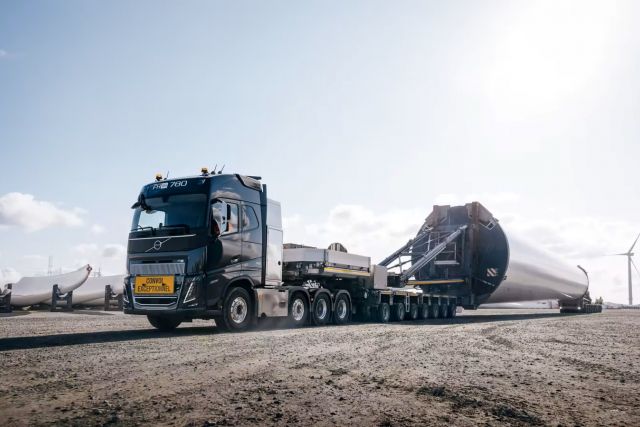
Volvo Group Southern Africa currently employs 750 staff members and has an assembly plant in Durban, KwaZulu-Natal, and some mistakenly concluded that Volvo Trucks will be restructuring and making changes at its assembly plant in Durban.
Volvo Group Southern Africa says in a statement various media reports and social media posts are wrongfully linking the company to the recent statement issued by Volvo Car South Africa.
“Volvo Car and Volvo Group have been separate entities since 1999, when Volvo Group sold Volvo Car to Ford Motor Company and in 2010, Volvo Car was acquired by Geely Holding Group.
“Volvo Group Southern Africa implores all to refrain from linking Volvo Group, Volvo Trucks, Volvo Bus, Volvo Penta, Volvo Financial Services or the Volvo Group Assembly Plant to the announced plans of Volvo Car SA, a separate legal entity,” their statement says.
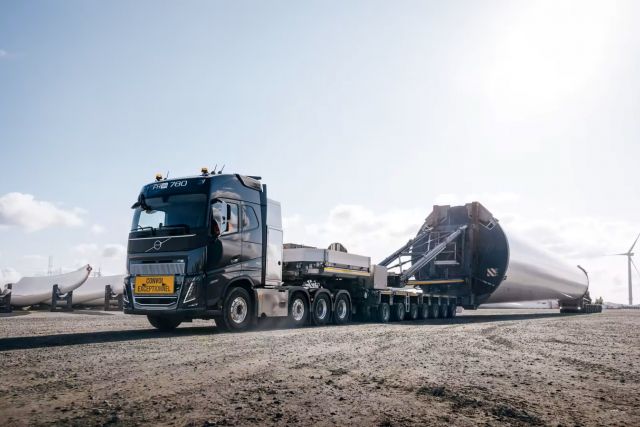
CMS Systems is celebrating 25 years in business, marking a significant milestone for a company that has become a central player in automotive retail technology.
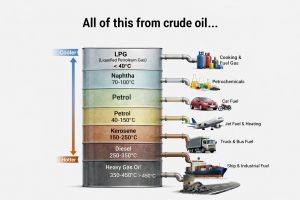
Oil prices jumped on Wednesday after Iran's seizure of container ships in the strait.
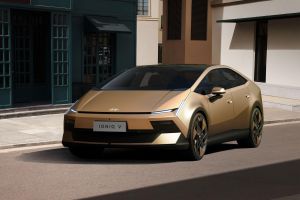
Hyundai Motor is preparing an aggressive comeback in China, unveiling plans to launch 20 new vehicles over the next five years as it tries to rebuild its position in the world’s largest car market.
 Advertisement
Advertisement
Advertisement
Have you ever noticed that anybody driving slower than you is an idiot, and anyone going faster than you is a maniac?
George Carlin
CMS Systems is celebrating 25 years in business, marking a significant milestone for a company that has become a central player in automotive retail technology.
Oil prices jumped on Wednesday after Iran's seizure of container ships in the strait.
Hyundai Motor is preparing an aggressive comeback in China, unveiling plans to launch 20 new vehicles over the next five years as it tries to rebuild its position in the world’s largest car market.