
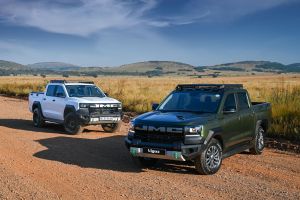
New JMC Vigus will make an impression
Following the official brand re-launch by the Salvador Caetano Group, JMC South Africa announce the arrival of the All-New JMC Vigus.
- Product News
- 17 April 2026
South African consumers demonstrated a strong appetite for new passenger vehicles in March, according to figures released by the Automotive Business Council (naamsa).
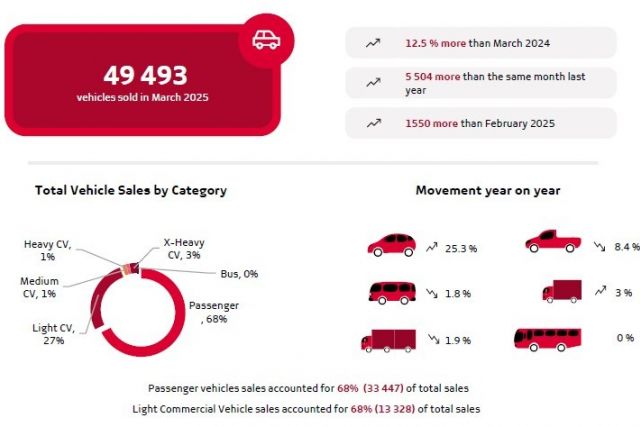
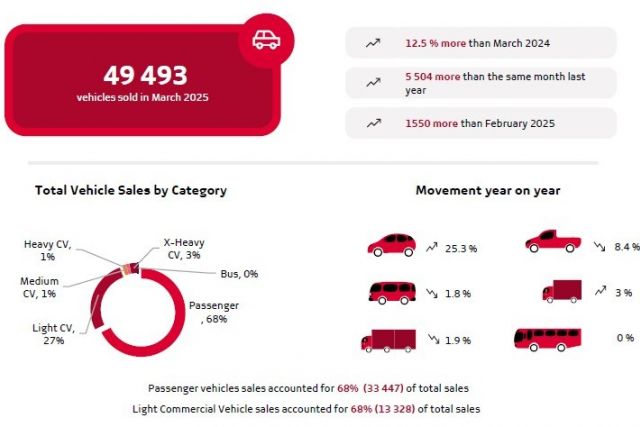
Passenger car sales totalled 33 447 units, reflecting a remarkable 25.3% increase compared to March 2024. This contributed to a 12.5% overall rise in total vehicle sales for the month, reaching 49 493 units. Actual sales figures for March may be higher than reported, as several Chinese brands have not yet been included in the current data.
Brandon Cohen, National Chairperson of the National Automobile Dealers Association (NADA), noted that this performance was particularly encouraging for the retail sales channel, following a robust 17% year-on-year increase in February.
“The resilience of new vehicle sales is evident, despite ongoing financial constraints for consumers. The growing pressure on financial institutions to approve credit is influencing purchasing behaviour, while rising electricity costs and fluctuating fuel prices continue to strain household budgets. Nevertheless, new car sales remain buoyant, particularly in the lower market segments, with medium car sales remaining stable,” Brandon says.
Commercial vehicle sales remain subdued. Light commercial vehicle sales declined by 8.4% year-on-year, while medium truck sales decreased by 1.8%, with heavy truck and bus volumes marginally down by 0.5%.
The total market for March indicated that 86.8% of vehicles were sold through franchised dealerships, 7.3% to the vehicle rental industry, 3.5% to government and 2.5% to corporate fleets.
The March 2025 export sales figure, at 24 801 units, reflect an increase of 1 642 vehicles – 7.1% compared to the 23 159 vehicles exported in March 2024, which is 15.7% higher than March 2023 exports.
"The rebound in export sales is testament to the resilience of South Africa’s automotive sector," says naamsa CEO, Mikel Mabasa. "Despite ongoing global trade uncertainties, our industry remains steadfast, demonstrating its strength in navigating complex economic landscapes. Our export-led growth model continues to drive industrial expansion and job creation.
“This export growth coincided with this week’s US presidential announcement threatening the future of South African exports, further underscoring the sector’s ability to withstand geopolitical shifts. The surge in overseas demand for locally manufactured vehicles reaffirms South Africa’s competitiveness in the global automotive market.
“At the monetary policy level, the South African Reserve Bank [SARB] maintained the repo rate at 7.5%, aligning with major global economies to keep borrowing costs stable. However, challenges such as energy constraints, rising living costs and the upcoming VAT increase in April may pose new hurdles in the months ahead,” Mikel comments.
See more results here.
Following the official brand re-launch by the Salvador Caetano Group, JMC South Africa announce the arrival of the All-New JMC Vigus.
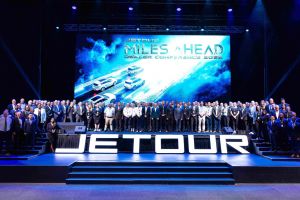
Jetour South Africa hosted its inaugural Dealer of the Year Awards on Tuesday night, bringing together its national dealer network of nearly 60 dealerships.
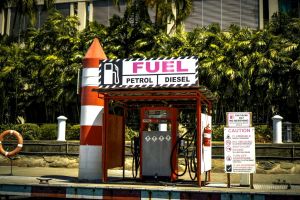
South Africa’s motorists and automotive sector are facing a fresh layer of uncertainty as the Middle East conflict continues to disrupt global oil markets, but for now the country’s fuel supply remains stable even as costs rise.
 Advertisement
 Advertisement
You can't buy happiness but you can buy cars and that's kind of the same thing.
Unknown
South Africa’s motorists and automotive sector are facing a fresh layer of uncertainty as the Middle East conflict continues to disrupt global oil markets, but for now the country’s fuel supply remains stable even as costs rise.

Stellantis has struck a five year strategic partnership with Microsoft as it accelerates its shift towards software defined vehicles and digital services.
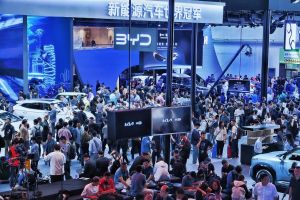
Auto China 2026 marks another milestone in the evolution of an event that has tracked China’s rise from emerging market to global automotive powerhouse.