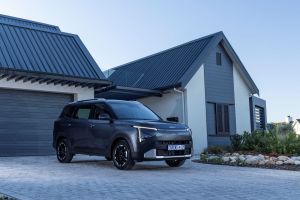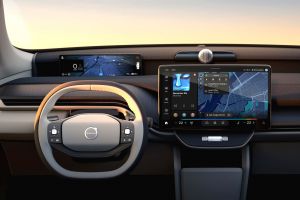
Most imports are still electric cars (Polestar, BYD, Geely) and buses, but there is growing interest in joint ventures that could allow Chinese automakers to enter the US market more directly, according to Trading Economics, a data provider and financial website.
However… not if major automotive groups in the US have their way.
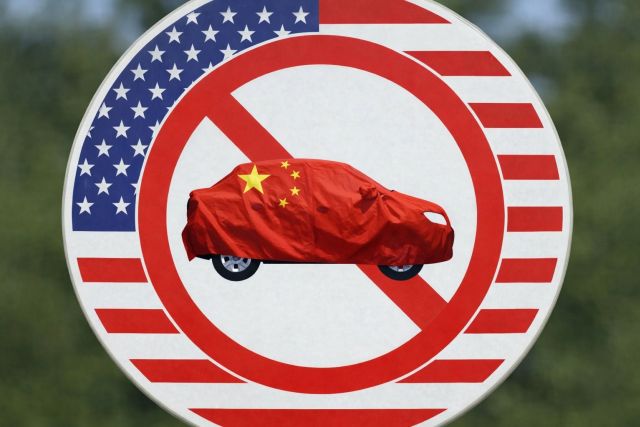
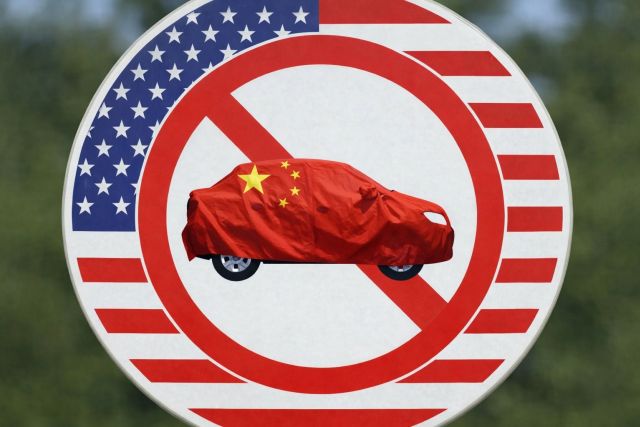
The bottom line is that American vehicle manufacturers do not want Chinese brands in the US. That does not mean China has not set its sights on the big American market.
Reuters reports that major auto trade groups have urged the US government to keep Chinese carmakers out of the country, according to a letter seen by the news agency. This could potentially complicate President Donald Trump’s planned summit with Chinese President Xi Jinping.
The groups raised “serious concerns about China’s ongoing efforts to dominate global automotive manufacturing and to gain access to the US market. These actions pose a direct threat to America’s global competitiveness, national security, and automotive industrial base.”
Five groups representing automakers, car dealers and parts manufacturers called for maintaining a 2025 Commerce Department cybersecurity regulation that effectively keeps nearly all Chinese vehicles out of the US.
The Chinese embassy in Washington rejected the criticism, saying Chinese-made cars are popular globally “not by using so-called ‘unfair practices’ but by emerging from the fierce market competition with technological innovation and superb quality. China’s door has been open to global auto companies, including US auto companies who have fully shared in the dividends of China’s big market.”
The auto industry letter also criticised Canada’s announcement that it would allow some Chinese vehicles into its market.
“We also strongly urge the Administration to reject any attempt by Chinese manufacturers to circumvent these existing restrictions by establishing production facilities in the US,” the letter states. It was dated Thursday and signed by the Alliance for Automotive Innovation, the National Automobile Dealers Association, Autos Drive America, the American Automotive Policy Council and MEMA, the Vehicle Suppliers Association.
“The market distortions and risks to the auto industry in the US are fundamentally the same whether these vehicles are imported or produced domestically,” it adds.
In January, Trump said he was open to Chinese automakers building vehicles in the US. “If they want to come in and build a plant and hire you and hire your friends and your neighbours, that’s great, I love that,” he told the Detroit Economic Club.
In December, the Alliance for Automotive Innovation, which represents General Motors, Ford, Toyota Motor, Volkswagen, Hyundai, Stellantis and other major automakers, said “China poses a clear and present threat to the auto industry in the US” and urged Washington to prevent Chinese government-backed automakers and battery manufacturers from opening US manufacturing plants, Reuters reports.